
Politics
PMI U.S. has invested $20B across the U.S. since 2022


Philip Morris International and its U.S. businesses (PMI U.S.) have invested more than $20 billion since 2022 to acquire, and invest in, U.S. manufacturing capabilities, commercial rights, infrastructure and jobs.
Most of the investments, totaling $19 billion, occurred in 2022, including acquisition of Swedish Match, which generates most of its revenue in the U.S. Since then, PMI U.S. has invested more than $1 billion, as of Sept. 30, including investments in Colorado, Kentucky and North Carolina, which are expected to generate more than 1,000 direct and 1,500 indirect jobs. Economic impact from those investments is estimated at more than $800 million.
“We’re investing in the country’s future, starting with accelerating the shift to a smoke-free America, a nation free from cigarettes,” PMI U.S. CEO Stacey Kennedy said.
“Being fully invested in America begins with making better products and leading an industry transformation responsibly, but it extends far beyond that. Guided by innovation, a sustained focus on impact, and a deep commitment to the communities where we live and work, we’re creating high-quality, high-skill jobs and strengthening the places that power our workforce.”
PMI U.S. investments add to the more than $35 million in charitable giving the company has pledged since 2022, with nearly $12 million donated in 2025 across nearly 600 nonprofit organizations in 47 states and the District of Columbia.
“PMI U.S. expects to make substantial additional investments in manufacturing, operations, and people, further supporting U.S. jobs and legal-age nicotine consumers — ensuring the 30 million U.S. adults who still smoke cigarettes have access to better, science-based alternatives,” Kennedy said.
PMI U.S. is a major American employer, growing its workforce from just several hundred employees to more than 3,000 today, with a modern mission of establishing modern nicotine to deliver a smoke-free America. The company plans to continue growth and increase its investments following the launch of its IQOS ILUMA product, which is awaiting U.S. Food and Drug Administration (FDA) authorization.
The company has committed itself to driving innovation and helping adult smokers 21 and older switch to less harmful alternatives, including heated tobacco.
The company is leading the smoke-free transition in the U.S. through both heated tobacco and nicotine pouches. The company’s affiliates hold 80% of all modified risk tobacco product authorizations and 41% of premarket tobacco product application marketing granted orders from the FDA, including ZYN, the nation’s most popular smoke-free product.
PMI U.S. announced in September it had made $1.3 million in philanthropic efforts in Florida alone in 2021, including advocacy for veterans, supporting literacy and funding student scholarships through the state’s school choice programs.

That includes a $100,000 donation to the Wounded Veterans Relief Fund for its Critical Dental Assistance Program providing vital dental services to disabled veterans across the state.
In November, PMI U.S. entered into a partnership with the Urban League of Broward County with a $400,000, three-year donation designed to expand economic opportunity for small businesses and accelerate economic development across South Florida.
Politics
House again passes repeal of Florida’s ‘free kill’ law, but bill’s path in Senate questionable
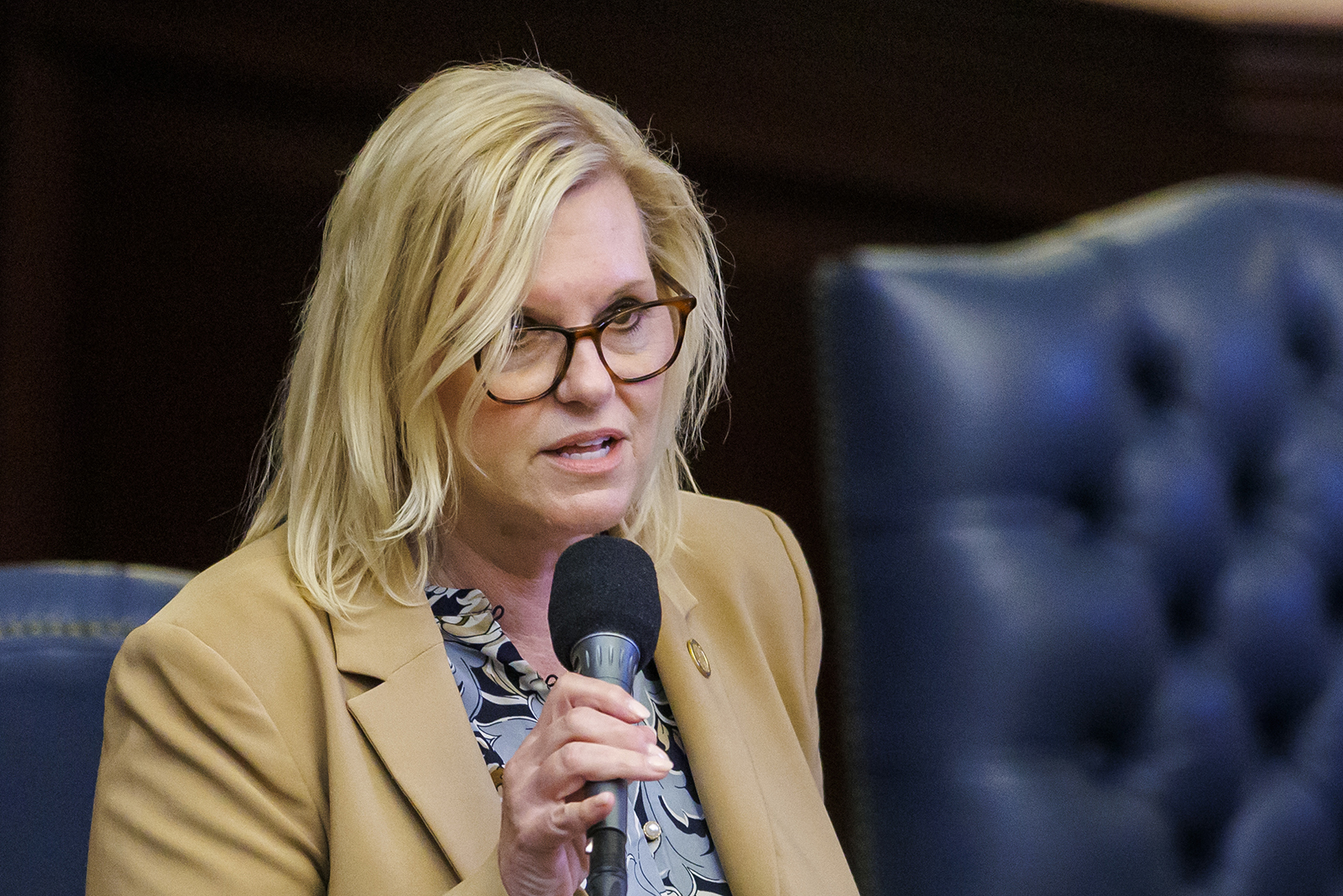
For the second consecutive Session, House lawmakers have approved legislation to repeal a unique Florida law that today denies some families legal recourse in medical malpractice cases.
It’s the same measure the Legislature passed last year with overwhelming support before Gov. Ron DeSantis vetoed it, warning the bill’s lack of caps on damages would cause malpractice insurance premiums to skyrocket.
This time, however, the bill (HB 6003) does not have a Senate companion, making its path through the upper chamber more arduous.
And because it passed without any changes, making it essentially the same as last year’s measure, the bill’s survival is unlikely if it again reaches the Governor’s desk.
The House passed HB 6003 by an 88-17 margin, with nearly three times as many “nay” votes Thursday as there were in the chamber last March for the bill’s 2025 incarnation.
HB 6003, if it becomes law, would delete a restriction in Florida Statutes blocking the award of noneconomic damages — grief, loss of companionship, pain and suffering, and the like — in cases of lethal medical negligence if the victim is 25 or older, unmarried and without children under 25.
Critics of the 35-year-old restriction have dubbed it “free kill,” as it shields careless providers while leaving surviving loved ones without the same court-based remedies available to others.
That restriction is “un-American,” said Fort Pierce Republican Rep. Dana Trabulsy, the co-prime sponsor of HB 6003 with Orlando Democratic Rep. Johanna López.
“Constitutionally in America, we deserve access to the courts. There should be no exceptions to that,” she said. “This is an unjust law. This is our opportunity to make it right.”
Trabulsy dismissed DeSantis’ explanation for vetoing the bill last year and his assertion that opportunistic lawyers and families would pursue “jackpot justice” if the existing law was repealed.

“This has gone through the courts, and caps have been deemed unconstitutional. That’s why there are no caps on this bill,” she said, referencing Florida cases like Estate of McCall v. United States, North Broward Hospital District v. Kalitan and the 1991 Alabama case Moore v. Mobile Infirmary Association.
Trabulsy also stressed, as she did as HB 6003 advanced through committees, that she believes Florida offers “world-class health care” and is home to exceptionally capable medical professionals and service providers.
“But there is medical malpractice, and when there is, we should be able to hold someone accountable,” she said. “And we can in every other section of law except this one, unless you have a loved one that is over the age of 25, unmarried and (with) no dependents. And in that scenario, your family members just don’t count in the state of Florida. And that’s just wrong.”
López said HB 6003 is about “real people” and named more than a dozen medical malpractice victims whose families had limited ability to seek recompense.
“Their stories remind us that the language in our legal code has real consequences,” she said.
Two other Democratic Representatives — Kevin Chambliss of Homestead and Yvonne Hinson of Gainesville — commended Trabulsy for her work and implored their colleagues in the chamber to support the bill.
Chambliss spoke of Ed Salazar, a Miami-Dade County resident and member of the Florida Medical Rights Association whose 28-year-old son Christopher died of cardiopulmonary arrest while recovering from an auto accident in an intensive care unit. Salazar later penned “A Free Kill” documenting the family’s difficulties dealing with Florida’s “little known law.”
“With this vote,” Chambliss said, “we will be taking an important step in righting the wrong that has happened to this family.”
Hinson briefly discussed an earlier bill she filed to repeal “free kill” that her House peers ignored and a similar proposal former North Fort Myers Republican Rep. Spencer Roach carried in 2022, which the House passed, but the Senate ignored.
She praised Trabulsy for “building a system of support” for HB 6003 and urged support for the change.
“This is a good move,” she said.
“Free kill” was added to Florida’s books in 1990, when lawmakers added the carve-out to the state’s Wrongful Death Act in what at the time was presented as an effort to keep medical insurance premiums down.
The opposite occurred, despite the concession.
As HB 6003 moved forward this year, representatives from medical companies and insurance associations spoke against the proposal, cautioning against passing it without caps on damages like the $1 million limit Senators narrowly rejected before passing its predecessor bill last year.
The Florida Hospital Association’s General Counsel, Kristen Dobson, said in November that Florida is losing doctors at a rate double the national average as obstetricians, surgeons, internists and other specialists face some of the highest medical liability insurance rates in the country.
One major hospital in South Florida saw a 73% year-over-year increase in reinsurance and had to buy insurance through a “below ‘A’-rated carrier” for the first time, she said, attributing the strain felt across the state to liability issues.
Dobson pointed to so-called “nuclear verdicts” — jury-directed lawsuit awards of $10 million or more — she said have become “increasingly common and significantly destabilize the insurance market.” Just two months ago, a jury awarded nearly $71 million in a single case.
“The increasing threat of nuclear verdicts holds hospitals and health care providers hostage, forcing them to settle out of court regardless of the merits of the case, which drags up insurance rates and exacerbates the cost of health care, jeopardizing access to critical health care services in Florida,” she said.
“The cost of this bill will be paid by Floridians, particularly those living in rural communities. Fewer doctors means longer wait times, worsening medical conditions, increased (emergency department use) and higher overall health care costs.”
Trabulsy said Thursday that admonishments of so-called “nuclear verdicts” are scare tactics and such awards won’t happen in Florida if HB 6003 becomes law.
“It was said that we will have family members coming out of the woodwork to sue — we will have multiple family members and there will be nuclear verdicts multiple times for one victim. That’s just not true,” she said. “An estate has to be formed. An estate … brings forth the case, not individual family members. So it’s just not true.”
HB 6003 does not need a sponsor or companion bill in the Senate to pass. The Senate can take it up directly, assign it to appropriate committees — or waive reference — and vote on it, amended or as-is, and return it to the House for concurrence.
The Senate could also replace the text of a Senate bill with the House language via a strike-all amendment.
Jacksonville Republican Sen. Clay Yarborough, who carried the bill’s Senate companion during the 2025 Session, told Florida Politics in September that he did not plan to refile the bill, since he expected DeSantis would veto it again.
No other Senator stepped up to take it in Yarborough’s stead.
Politics
Jason Shoaf will seek re-election to Legislature, sit out race to succeed Neal Dunn in Congress
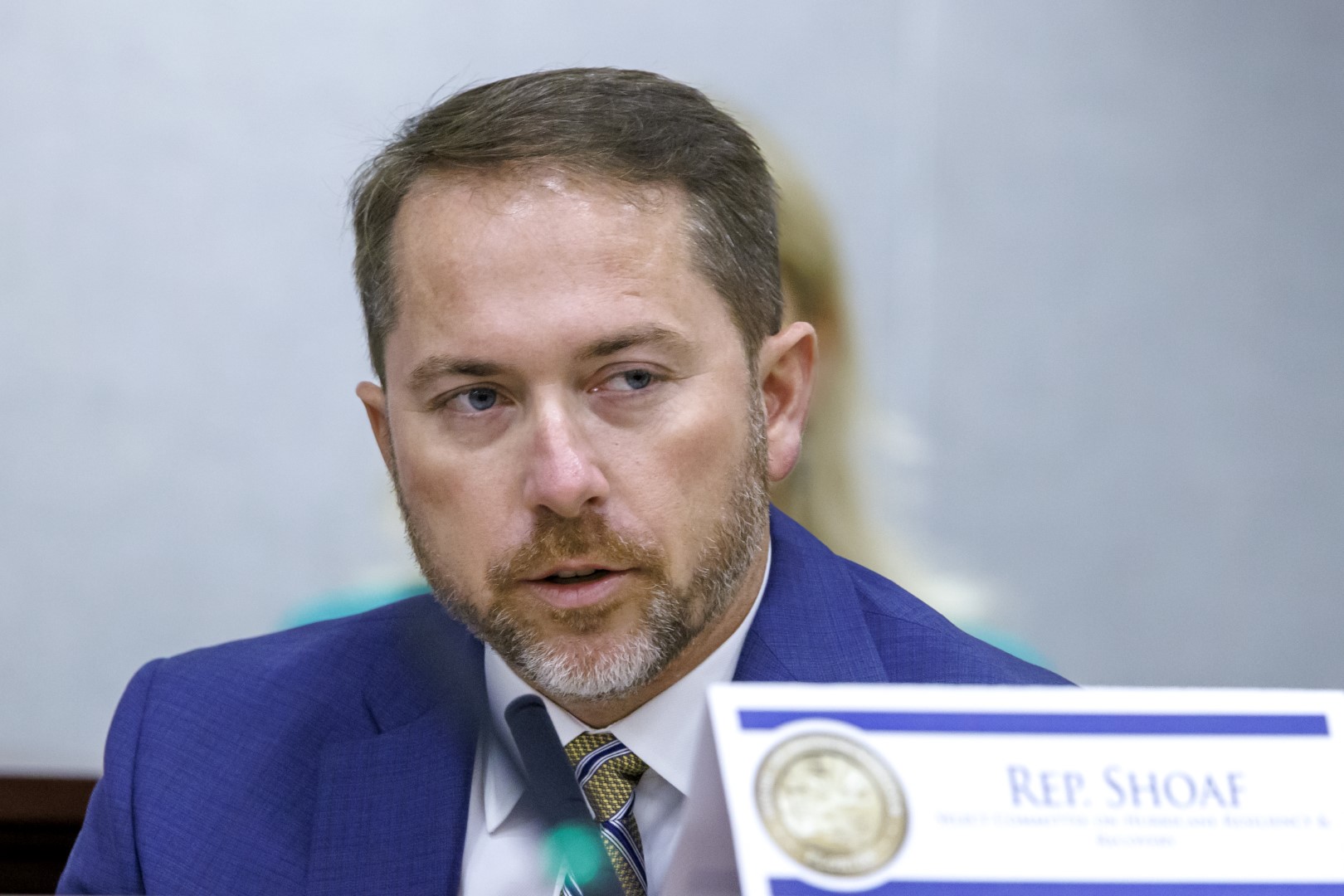
The Port St. Joe Republican plans to remain in the Florida House through 2028.
State Rep. Jason Shoaf says he will not run to succeed U.S. Rep. Neal Dunn.
“I am fully focused on serving the people of North Florida in the Florida House of Representatives, and I am committed to fulfill my term through 2028,” Shoaf said.
The Port St. Joe Republican first won his legislative seat in a Special Election in 2019. Term limits will not prohibit him seeking re-election this year.
He shot down rumors he may run for Congress two days after Dunn, Panama City Republican serving his fifth term in the House, announced his retirement at the end of this Congress.
Shoaf said he feels he can best serve his community by remaining in the Florida Legislature as a senior member. He currently serves the Transportation & Economic Development Budget Subcommittee. Shoaf remains the only candidate filed in House District 7.
“I believe this next two years in my current role is my greatest chance to make the most meaningful impact delivering real results for our communities, strengthening our economy and defending the values that make North Florida such a special place to call home,” Shoaf said.
Other candidates already in the race for Florida’s 2nd Congressional District include Republican Party of Florida Chair Evan Power and former U.S. Senate candidate Keith Gross. But speculation has swirled significantly this week about whether other Republicans in the region will run for the seat now that it’s open.
CD 2, which covers parts of the Panhandle and Big Bend, currently leans comfortably Republican.
Dunn easily won re-election in 2024 over Democrat Yen Bailey with about 61.7% of the vote. More than 58.5% of voters there supported Republican Donald Trump over Democrat Kamala Harris for President, according to MCI Maps, and more than 60% of voters backed GOP U.S. Sen. Rick Scott’s re-election.
Notably, Republican leaders in Tallahassee say they intend to redraw congressional districts ahead of the 2026 Midterms.



Customers lament Tesla’s move toward monthly fees for self-driving cars

Pamela Anderson Wants Seth Rogen to Apologize for ‘Pam & Tommy’ Series

Amazon to close major UK fulfilment centre as Milton Keynes ops shift to Northampton
-

 Politics8 years ago
Congress rolls out ‘Better Deal,’ new economic agenda
-
Entertainment8 years ago
New Season 8 Walking Dead trailer flashes forward in time
-
Politics9 years ago
Poll: Virginia governor’s race in dead heat
-
Politics8 years ago
Illinois’ financial crisis could bring the state to a halt
-
Entertainment8 years ago
The final 6 ‘Game of Thrones’ episodes might feel like a full season
-
Entertainment8 years ago
Meet Superman’s grandfather in new trailer for Krypton
-
Business8 years ago
6 Stunning new co-working spaces around the globe
-
Tech8 years ago
Hulu hires Google marketing veteran Kelly Campbell as CMO