
Politics
PhRMA adds Geoffrey Becker to lead state government affairs in the region

Politics
Barbara Sharief bill to delay child separation in questionable abuse claims gets first Senate OK
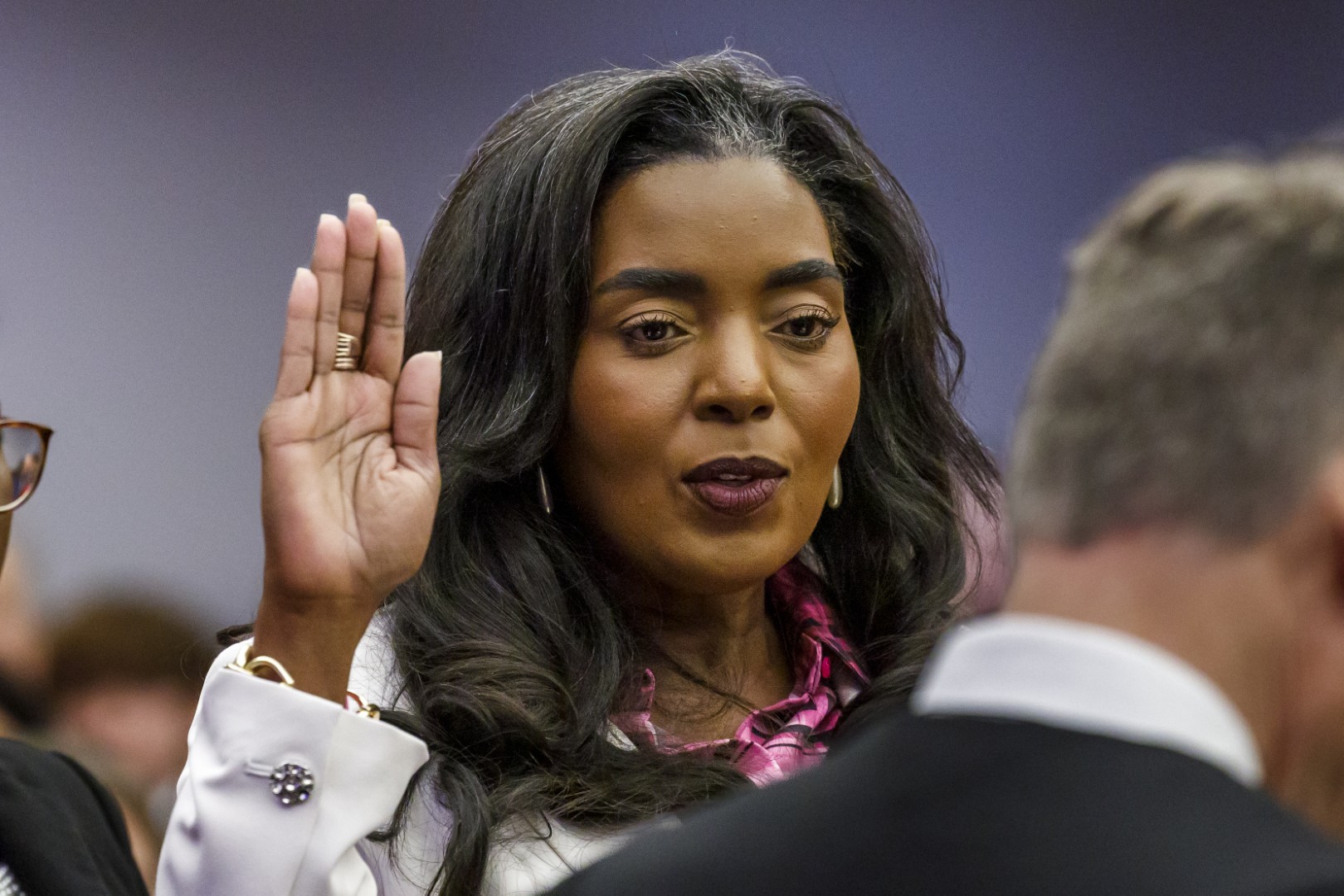
Legislation by Broward Democratic Sen. Barbara Sharief to prevent the state from tearing apart families on false child abuse claims is again advancing in the Senate after almost becoming law last year.
Members of the Senate Children, Families and Elder Affairs Committee voted unanimously for the measure (SB 42), which Sharief described as a “child safety and due process bill.”
“Under current law, certain complex medical conditions can be misinterpreted as signs of abuse and neglect, particularly in medically complex children,” Sharief said.
“When that happens, families can be subjected to unnecessary investigations, and children can be removed from their homes without the benefit of appropriate medical expertise.”
SB 42 would change child welfare investigations by allowing the Department of Children and Families (DCF) to delay referring allegations of child abuse to law enforcement when a parent reports a specified preexisting diagnosis or requests a medical examination.
It would also require Child Protection Teams to consult with qualified pediatric medical professionals when evaluating medically complex children or diagnoses that can mimic abuse, and gives parents limited rights to request additional examinations — at their own expense or through insurance — while barring second opinions on sexual abuse determinations.
The bill is dubbed “Patterson’s Law,” named after Michael and Tasha Patterson and their twin sons, whom the DCF took custody of in 2022 after broken bones the boys suffered raised alarms during an emergency room visit.
The couple took the matter to court, citing medical evidence showing that like their mother, the boys — who have still not been returned — have a rare genetic disorder called Ehlers-Danlos syndrome that causes fragile bones and easy bruising.
Sharief, a doctor of nursing practice and former Broward Mayor, said various preexisting genetic conditions like Ehlers-Danlos, rickets, osteogenesis imperfecta and vitamin D deficiency can lead to signs of bodily harm that aren’t due to physical abuse, but the state’s process for determining whether that’s the case is faulty, and it’s hurting families.
More than a dozen people who appeared at the Monday committee meeting backed up Sharief’s assertions along with several organizations — Disability Rights of Florida, the Florida Justice Association and Florida chapter of the American Academy of Pediatrics among them — that signaled support for SB 42.

Tasha Patterson called the current system “broken,” as it “chooses to defend (DCF’s) mistakes instead of (correcting) them.” She detailed how DCF did not consider input from 12 experts on medically complex children and has continued to ignore evidence of non-abuse, including how her boys sustained additional injuries even after the state stepped in and while neither parent was with them.
“This year will make it four years of litigation to bring our children home. We are yet in another appeal,” she said. “My hope is that the system can learn to prioritize accountability, transparency and fairness when new information emerges.”
Another parent, Diana Sullivan, shared a similar story of how she and her husband were “thrust into an investigation process that treated the unknown as guilt.” The state, she said, took away her newborn daughter and other children after her daughter began exhibiting symptoms of Ehlers-Danlos and osteogenesis imperfecta.
Maddeningly, she continued, the initial DCF report included rare health maladies as a possible cause for the infant’s injuries, but the state still chose to take the children rather than investigate those possibilities.
“Tests were ordered. Answers were possible. But the tests were never run. Eight of our doctors, for a second opinion, deemed her condition not (to be) abuse and explained why,” she said. “We’re not asking for special treatment. We’re asking for humanity, a system … that protects children without destroying the families who love them.”
Sharief, in her closing remarks on the bill, noted that none of the people who spoke in support of SB 42 stand to benefit from it.
“They are here purely to prevent future families from going through the same thing,” she said.
SB 42 will next go to the Senate Appropriations Committee on Health and Human Services, its second-to-last stop before reaching a floor vote. Its identical companion in the House (HB 47), sponsored by Weston Democratic Rep. Robin Bartleman and Shalimar Republican Rep. Patt Maney, awaits a first committee hearing.
The Senate passed “Patterson’s Law” last Session on a 37-0 vote. The bill then died in the House, where Bartleman and Maney’s version of the legislation was denied a hearing in its third and final committee stop.
Politics
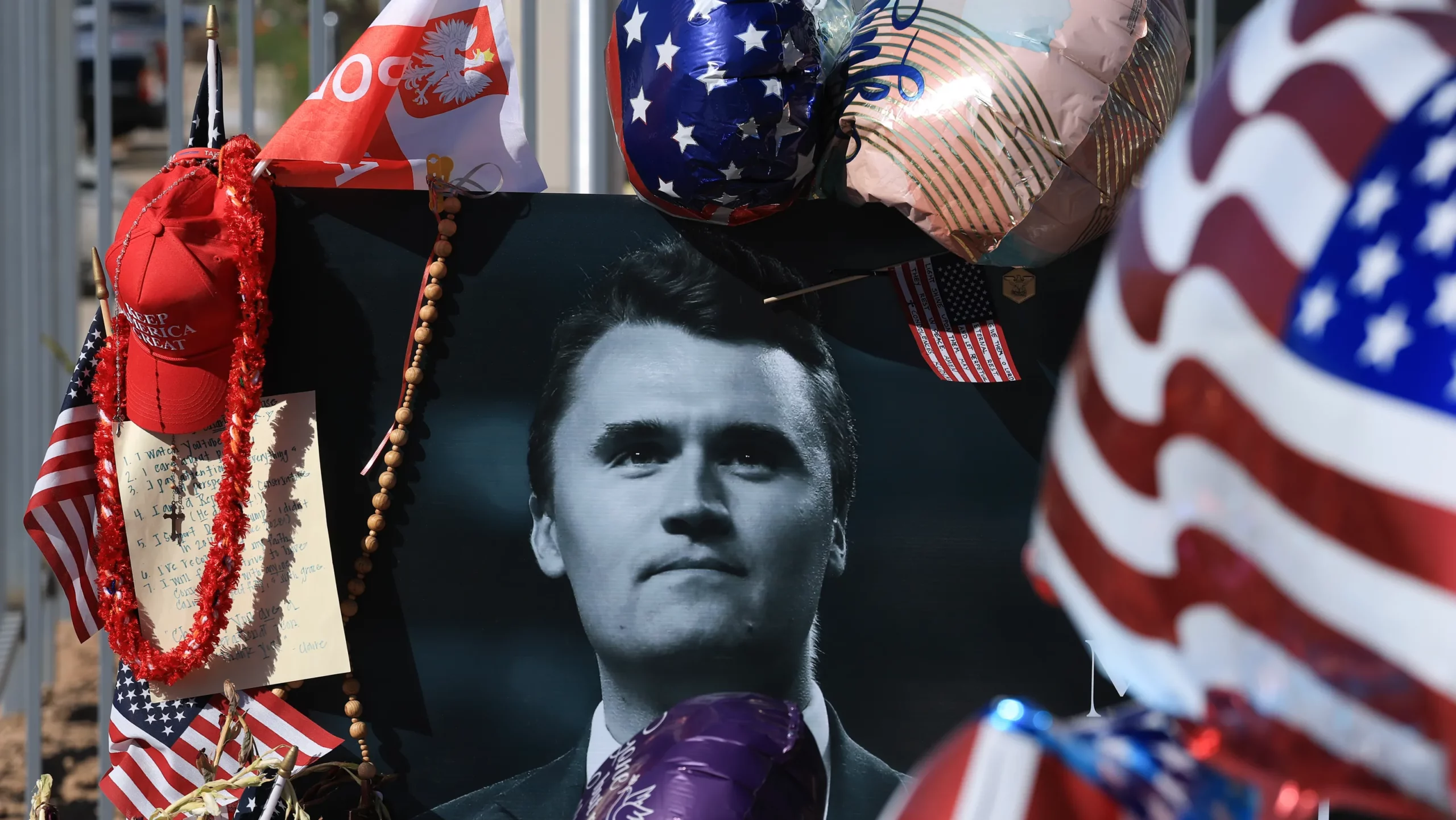
Bill to rename Miami-Dade road after Charlie Kirk clears first Senate hurdle on party-line vote
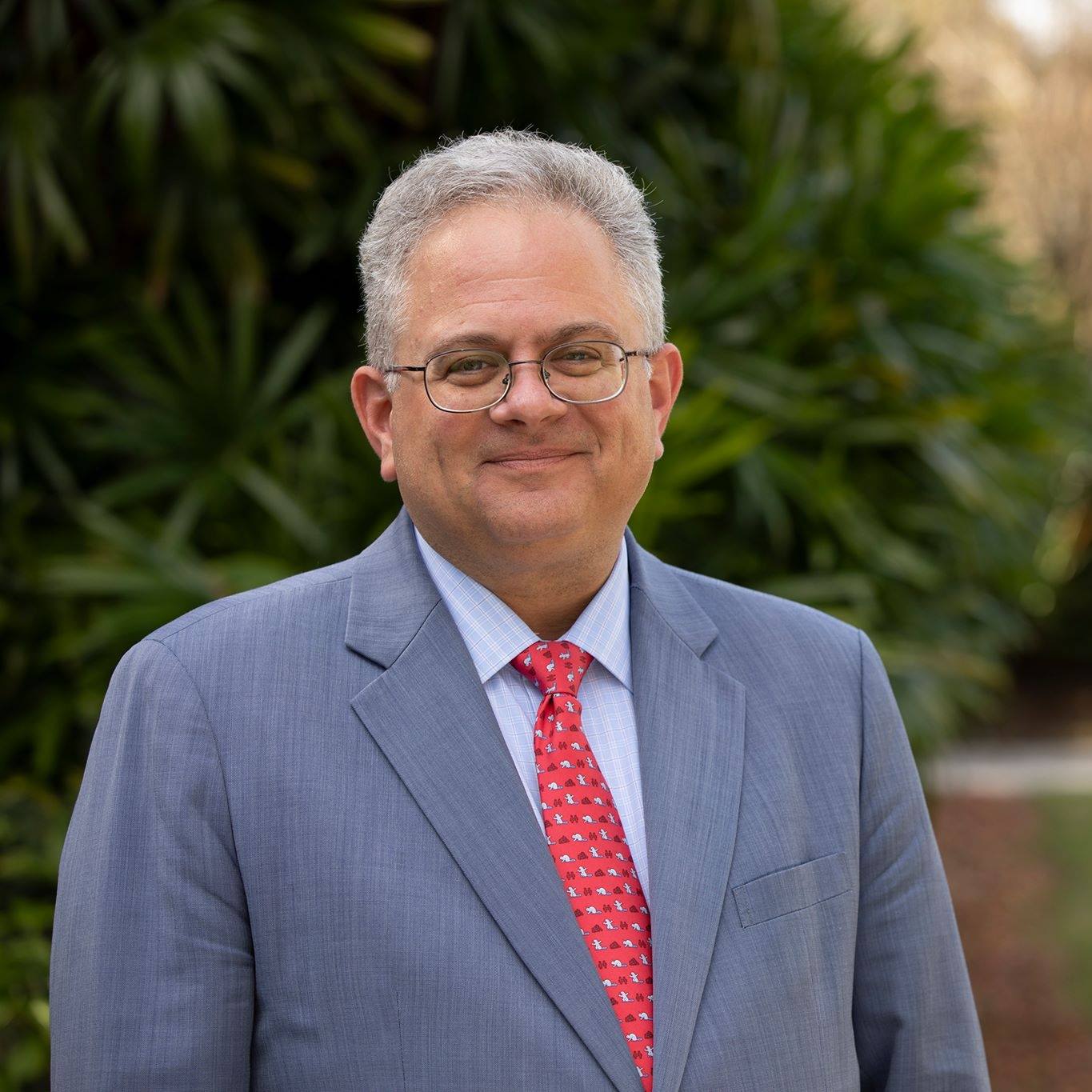
If anyone is considering challenging the so-far unopposed Harry Cohen for Hillsborough County Commission, they might start to reconsider.
Cohen, a Democrat representing District 1 on the County Commission, has always been a prolific fundraiser. The fourth quarter of 2025 was no different, with more than $56,000 banked for his campaign over the three-month period ending Dec. 31. The haul brings his total 2026 campaign total to more than $80,000.
His committee, Hillsborough Together, didn’t post any fundraising activity in the fourth quarter, but after raising $105,000 in the third quarter of 2025, the account is flush with nearly $240,000 on hand.
“I am truly humbled by the level of support my campaign has received,” Cohen said. “I am very committed to the work — the actual day-to-day delivery of public services: whether it is repaying roads or funding key public safety and infrastructure improvements, it is a constant focus on maintaining and improving our quality of life. I work to build consensus and get things done. Effectiveness is the best campaign.”
Cohen’s latest fundraising haul included 117 contributions, averaging about $480 each.
He received $1,000 each from, among others, the local Teamsters union; the political committee supporting the local firefighters union; the Tampa Police Benevolent Association; the Tampa Bay chapter of real estate development association NAIOP; waste hauling company Waste Management; the political committee supporting Tampa General Hospital; the political committee supporting Hillsborough County Commissioner Gwen Myers; the Akerman law firm; U.S. Rep. Kathy Castor; former University of South Florida President Betty Castor; and prominent Tampa lawyer Ron Christaldi.
Cohen officially kicked off his campaign in October, with a standing-room-only event at Pane Rustica including three Tampa Mayors: current Mayor Jane Castor and former Mayors Bob Buckhorn and Sandy Freedman, the latter of whom also contributed $1,000 to Cohen’s campaign in the fourth quarter.
Cohen is one of only two Democrats on the Hillsborough County Commission. He was first elected to the Commission in 2020, replacing former Commissioner Sandy Murman, a Republican. Prior to his service on the Commission, Cohen served two terms on the Tampa City Council. He ran for Tampa Mayor in 2019, finishing third before now-Mayor Jane Castor went on to defeat the late David Straz overwhelmingly in a runoff election.
Cohen landed at No. 23 on Florida Politics’ list of Tampa Bay’s Most Powerful Politicians last year. Cohen must navigate the complexities of governing amid a GOP supermajority, a task that is particularly challenging considering he once served from the majority.
Cohen survived his 2022 re-election bid — just two years after his successful election, which flipped a seat from red to blue — in a cycle that was the political version of Game of Thrones’ red wedding. He won by less than a percentage point, a razor-thin victory that looked like a landslide compared to two of Cohen’s Democratic colleagues. Former Commissioner Mariella Smith lost her seat by nearly 6 percentage points, while former Commissioner Kimberly Overman lost hers by about 5 percentage points.



Down Arrow Button Icon

‘TMZ After Dark’ Double Trouble Hosted by ‘Love Island,’ ‘Love & Hip Hop’ Stars

Dior names Josh O’Connor as latest brand ambassador
-

 Politics8 years ago
Congress rolls out ‘Better Deal,’ new economic agenda
-
Entertainment8 years ago
New Season 8 Walking Dead trailer flashes forward in time
-
Politics8 years ago
Poll: Virginia governor’s race in dead heat
-
Politics8 years ago
Illinois’ financial crisis could bring the state to a halt
-
Entertainment8 years ago
The final 6 ‘Game of Thrones’ episodes might feel like a full season
-
Entertainment8 years ago
Meet Superman’s grandfather in new trailer for Krypton
-
Business8 years ago
6 Stunning new co-working spaces around the globe
-
Tech8 years ago
Hulu hires Google marketing veteran Kelly Campbell as CMO