
Politics
Orlando Economic Partnership ignored warning about Goliath Venture, investigative journo says
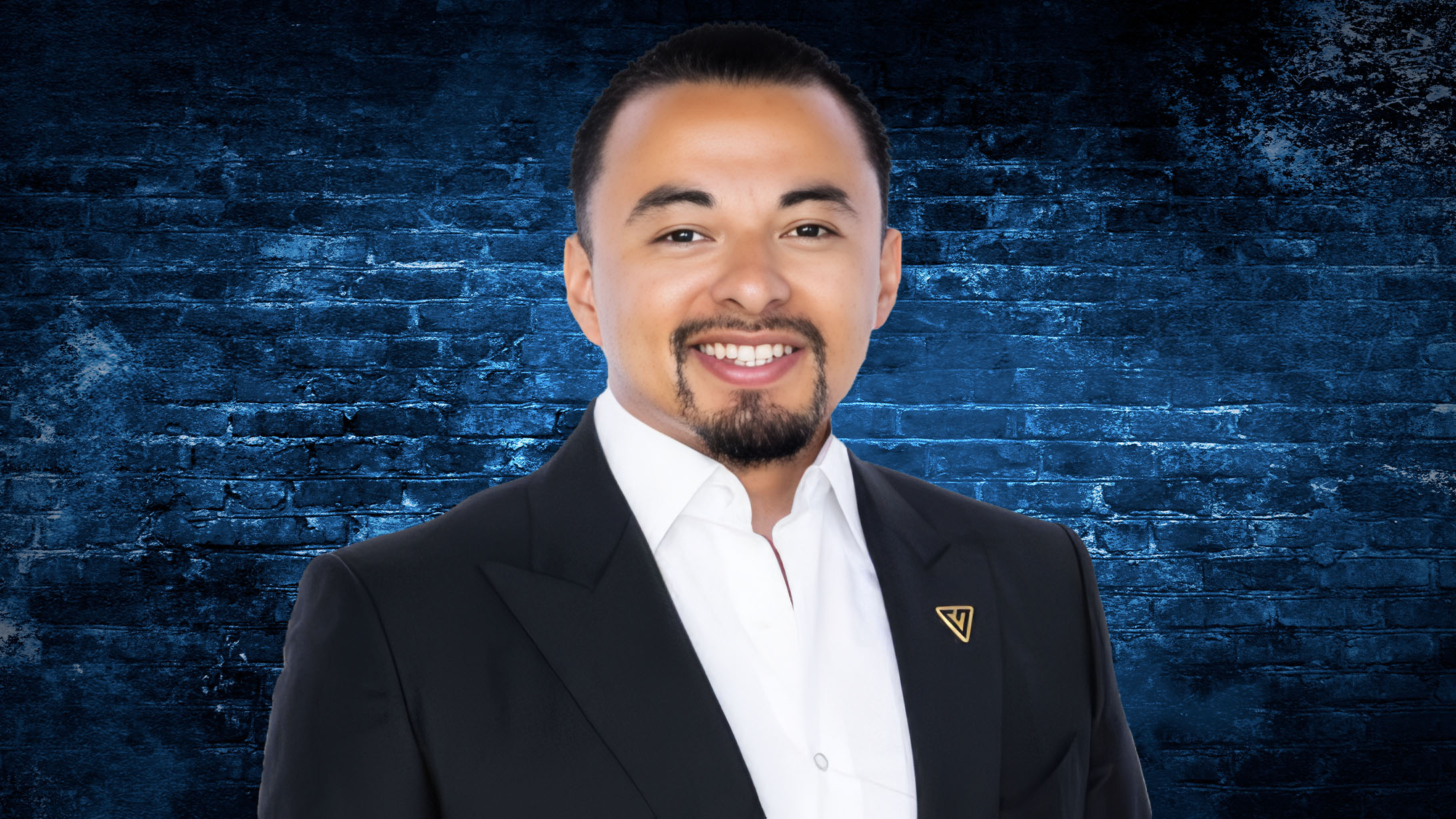
Five months before Christopher Delgado was arrested over allegations he was running a $328 million Ponzi scheme, the Orlando Economic Partnership received a warning that its investment from Delgado raised red flags.
The alert came from Danny de Hek, an investigative journalist from New Zealand.
“I am writing to raise a serious concern about your website’s ‘Join Our Top Investors — CHAMPIONS FOR BROAD-BASED PROSPERITY®’ section, where Christopher Delgado and Goliath Ventures Inc. are currently listed,” de Hek wrote in a Sept. 21, 2025, email to the Orlando Economic Partnership.
“I want to make you aware that my investigation, along with multiple whistleblowers and victims, has uncovered overwhelming evidence that Goliath Ventures Inc. is operating as a crypto-based Ponzi scheme.”
He continued his warning in the email.
“By promoting Christopher Delgado and Goliath Ventures Inc. as ‘top investors,’ the Partnership risks unintentionally lending credibility to what I and many others believe is a fraudulent operation. This not only damages the reputation of your organization but could also make you a target of legal and reputational fallout once the scheme unravels — as has happened with other organizations that unknowingly promoted similar scams.”
The email from de Hek went to Orlando Economic Partnership CEO Tim Giuliani and was cc’d to 37 other employees at the organization focused on recruiting new business to Central Florida.
Then came silence.
Neither Giuliani nor anybody else wrote back, said de Hek, who shared a copy of his email with Florida Politics.
Nobody reached out with any questions about de Hek’s investigation or voiced any concerns, said de Hek, who focuses on uncovering Ponzi schemes and scams.

“I’m upset with the Orlando Economic Partnership people,” de Hek said. “They just ignored it.”
“I’m not a nobody,” he added. “I’ve been featured in a two-page printed edition of The New York Times. I’ve been in the Guardian newspaper. I’ve helped them publish 14 articles about one of the scams that I busted, a $1.9 billion dollar scam. I’ve been in a mini documentary with Bloomberg.”

A day after de Hek’s warning email to the Orlando Economic Partnership, Delgado sued de Hek for defamation in Orange Circuit Court.
“With no inside knowledge, no firsthand information, and no evidence beyond publicly available marketing materials, De Hek published and promoted in a dizzying number of online posts, articles, and videos proclaiming Goliath was a fraud,” the Goliath Ventures lawsuit said.
“De Hek has gone beyond words and actively contacted Goliath’s partners, investors, donees, and other persons to cause these persons to disassociate with Goliath. The real-life consequences of De Hek’s actions have caused Goliath millions of dollars.”
Everything changed in February, when Delgado was arrested on money laundering and wire fraud charges.
Goliath Ventures immediately dismissed its defamation lawsuit against de Hek, and the Orlando Economic Partnership quietly scrubbed Goliath from its website.
It appeared Delgado had given the Partnership at least $200,000. Goliath was marked as an investor in the same category as Disney, the Orlando Magic and the University of Central Florida.
“We were contacted after Goliath became a member by the independent New Zealand blogger, Danny de Hek, which caused us to pose questions to Goliath. We were subsequently misled with the responses, as were many other community organizations and investors who did their own due diligence,” said Orlando Economic Partnership Vice President Laureen Martinez in a statement Friday.
Martinez did not respond to follow-up questions about what Orlando Economic Partnership asked Delgado and what Delgado told them.
Martinez has declined to say how much Delgado gave the Orlando Economic Partnership.
“They requested to be at our ‘champions’ membership level. Once they joined, they were inactive. No one from Goliath joined our Board of Directors and this year we made the decision not to re-engage with them,” she said in a statement last month.
Running the Orlando cryptocurrency firm, Delgado used his reputation as a philanthropist and his affiliations with major organizations to lure in victims to be his investors, according to a federal complaint in U.S. District Court. He promised them guaranteed returns and then spent their money to fund an extravagant lifestyle, buying expensive cars and real estate, according to the federal court records.