
Politics
Orlando couple fighting for their daughter get surprise funding in state budget
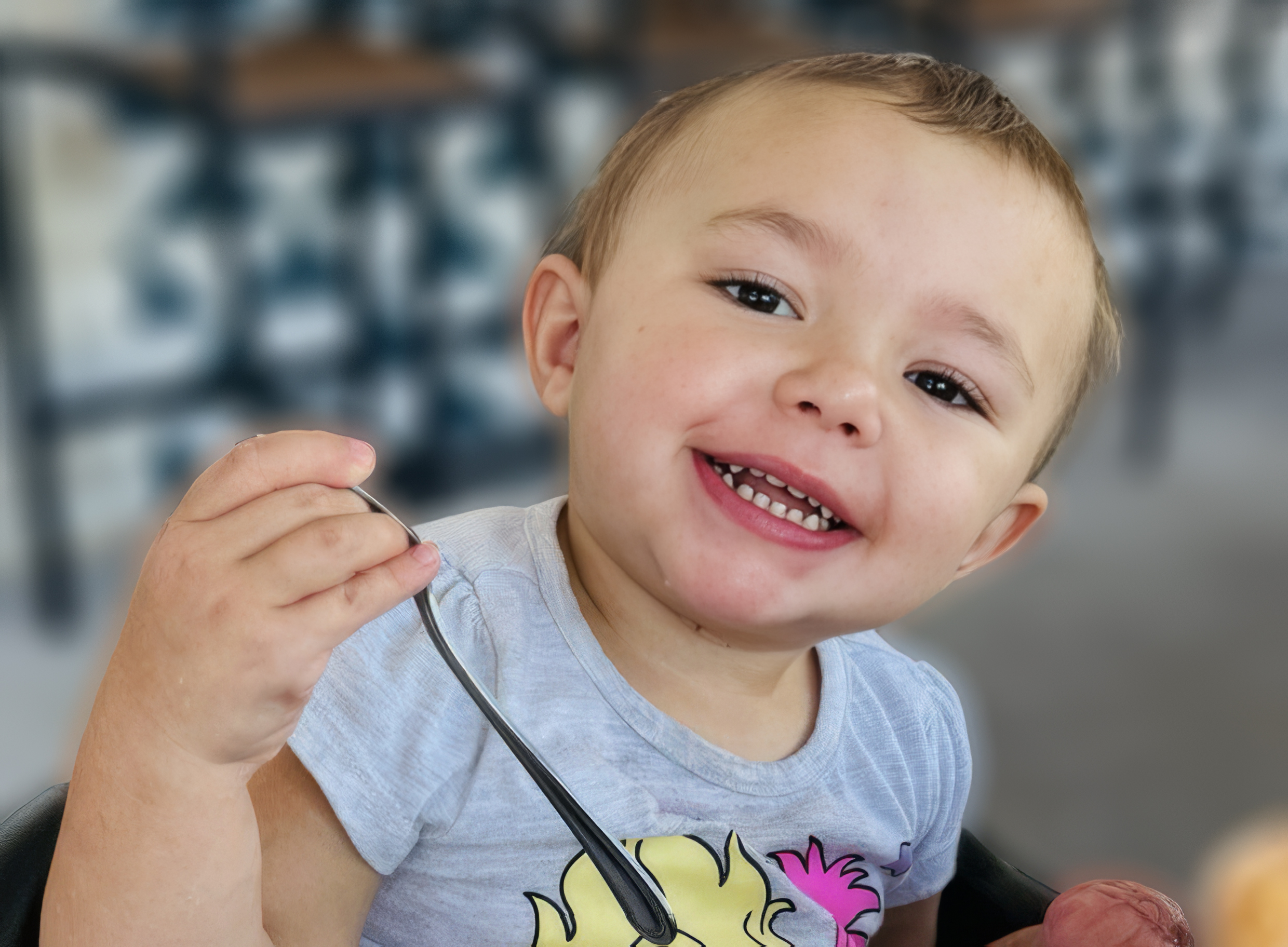
A bill to expand newborn screenings that was supported by an Orlando couple after their daughter’s health nightmare stalled out during the Regular Session this year.
The Senate supported the bill unanimously with a bipartisan vote, but Mattie’s Law never got called to a single Committee vote in the House.
But that’s not the end of the story.
Lawmakers have appropriated $600,000 in the state budget to launch a pilot program to screen for biliary atresia named after little Mattie Beacham. The funding developed from behind closed-door budget talks this month.
“We couldn’t be more excited,” said Mattie’s father, Michael Beacham. “We still have to go through another Session to get through the House into the Governor’s desk to be a law. We’re at least going to be able to work with the Department of Health and several hospital systems to start now in saving babies and getting this up and running.”
The Legislature is expected to vote on the final budget Friday. Gov. Ron DeSantis still has line-item veto power over funding projects.
Written into the budget language is an order for the Department of Health (DOH) Children’s Medical Services program to launch the Mattie’s Biliary Atresia Newborn Screening Pilot Program.
In addition to the funding, DOH is required to give a report by Feb. 28 to the next Governor’s Office of Policy and Budget, the Chair of the Senate Committee on Appropriations, and the Chair of the House Budget Committee.
The report would publish information such as how many newborns have been screened for biliary atresia, care outcomes for newborns with positive tests, and more.
Spectrum News 13 host/anchor Allison Beacham and her restaurateur husband have been championing the state to expand newborn screenings for biliary atresia, which can show early signs of liver disease.

The Beachams argued that expanding the newborn screenings is not complicated because it can be done from the same blood draw and test already being done.
“It’s just common sense,” Michael Beacham said Thursday in an interview.
Without testing for biliary atresia, babies are a ticking time bomb, since there are no symptoms.
“Nobody sees it,” he said. “By the time you realize what happened, it’s too late.”
The early intervention means the estimated seven to 10 babies in Florida born per year with the condition will be saved and prevent a liver transplant which can rack up millions of dollars in medical bills — like in Mattie’s case, he said.
Awaiting the final budget process, Michael Beacham said he is hopeful that the $600,000 will not be vetoed because the Governor and First Lady Casey DeSantis have been advocates on supporting funding on pediatric diseases.
In a fight for her life, Mattie later underwent a liver transplant and lost fingers on her left hand. When she is 12, she could potentially get a hand transplant.
But today, Mattie is 3.5 years old. Bubbly, she hugs strangers and likes to say hello. She is resilient — she doesn’t cry, her father said.
This Summer, there are plans to ride the boat and play at Cocoa Beach at the family vacation home. Her family is looking into a camp with other children who have lost limbs, so Mattie can realize she is not alone. Other kids are just like her.
“What we went through gave us the perspective of understanding that we have an obligation to do whatever we can to stop this from happening to other people,” Michael Beacham said of expanding newborn screenings to help others. “That’s our payback for our child being alive.”