
Politics
Olivia Keller expects courts to halt handicap permits for pregnant moms, even though lawmakers didn’t
The death of a transportation bill means expectant mothers can still park in Florida’s handicap spaces.
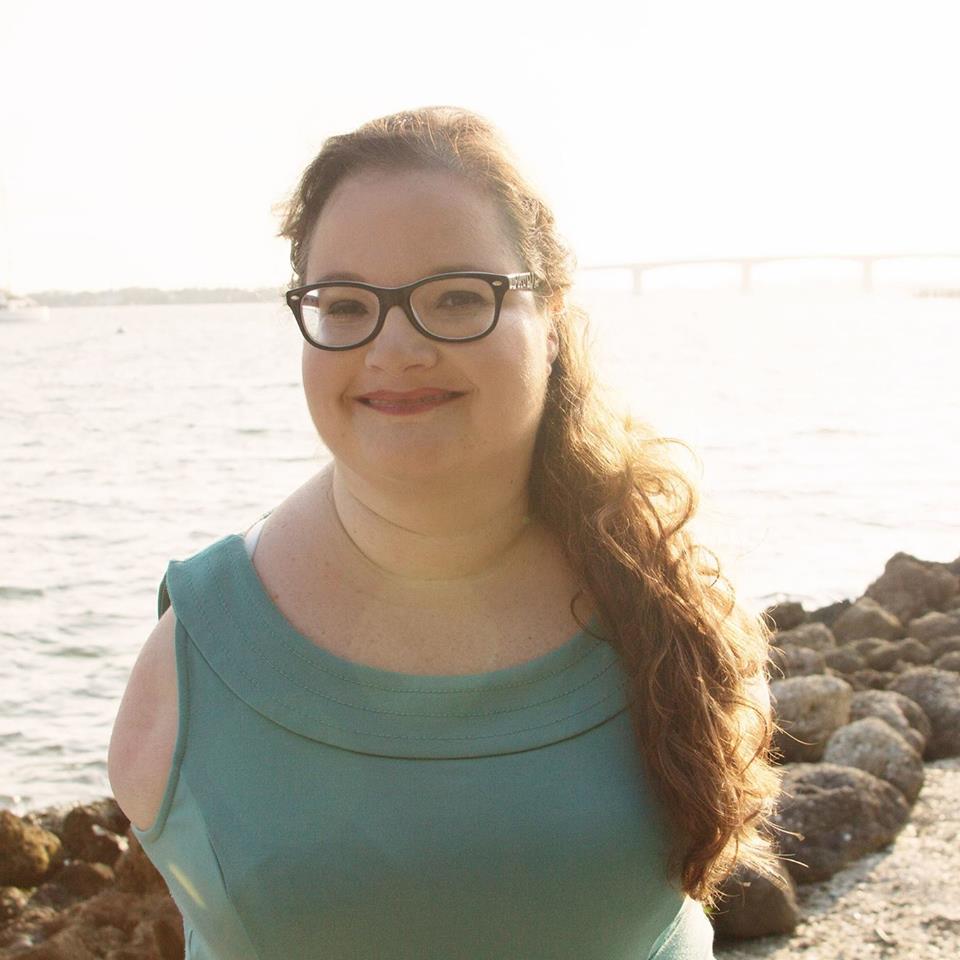
But disability advocate Olivia Keller, one of the disabled Floridians caught off guard by a statutory change in 2025, said it still felt like a victory lap to see concerns derail the train bill (HB 543). And she says she remains confident courts will address Florida worsening a shortage in parking accommodations.
Keller is continuing a lawsuit alleging that allowing pregnant women the ability to use handicap spaces runs directly contrary to the Americans with Disability Act (ADA).
“We cannot have a negotiation of federal law,” Keller said. “We cannot give accommodations for disabled people to non-disabled people.”
But in another transportation bill in 2025, Florida authorized expectant mothers to obtain one-year permits to use the blue-marked spaces normally reserved for those with handicap placards in their vehicle.
It’s a change that was originally sought by Rep. Fiona McFarland, a Sarasota Republican and mother of four. She joked when introducing the provision of the bill about how she could benefit from getting a permit.
“I feel very strongly that pregnancy is not a disability. I just want to be able to park up front,” she said in a Committee hearing.
The comment elicited light laughter and little pushback, but has since been seized on by disability advocates like Keller, who notably ran for a Senate seat in Sarasota in 2018. Born without arms, Keller has since moved to Tallahassee and has worked as a lobbyist for disability rights groups in the past, including Disability Rights Florida.
But she wasn’t tracking Tallahassee bills in 2025 and learned only on a national policy phone call about permits for pregnant women. The ramifications quickly revealed themselves as disabled drivers in major metropolitan areas began fighting with more drivers for a limited number of spaces.
As of November, some 8,000 permits had been issued to pregnant women. Those temporary placards last for a year, meaning whether women get them early before a pregnancy debilitates most women or immediately before a child is delivered, the permit will last longer than any pregnancy.

The problem, Keller said, is that 7% of Florida vehicles already had permanent disabled plates or temporary placards allowing them to use handicap parking spaces, which only make up between 2% and 4% of parking spaces in any given Florida market. And Keller said that doesn’t even account for some hanging tags given to individuals who don’t have their own vehicle but can allow someone to use the placard when transporting them somewhere.
Keller stresses that some pregnant mothers with certain complications can obtain disability tags under the ADA.
“Not everyone who is disabled is qualified to park in disabled parking either,” Keller stressed. “It’s based on limitation.”
Keller has sued the state over the provision, though a federal Judge in January threw out an initial lawsuit based on standing. Keller has until April 13 to file an amended complaint. She has been discussing the case with national disability groups about partnering on legal costs.
“It is coming back bigger and badder, and we’re bringing friends,” Keller said of the lawsuit.
She had hoped the Legislature this year would simply pull back off providing parking to expectant mothers. Sen. Nick DiCeglie, the Pinellas Republican handling the transportation bill in the upper chamber, notably intended to do so this year. On the Senate floor, he said there had been unintended consequences to the change in law.
“Obviously, we’ve had a situation where folks who are disabled can’t get — you know, they can’t find parking places, disabled parking places,” DiCeglie said. “Then, unfortunately, because of that, some of these vans are going and they’re double parking. They’re getting towed, which I think is a correlation to the decrease in those available parking spaces.”
McFarland resisted taking permits away from expectant mothers but provided protections for wheelchair-accessible vehicles that must occupy two spaces. Ultimately, the chambers could not agree on language for the transportation bill.
“It just got too weighed down with different items — classic train issue,” McFarland told Florida Politics. She didn’t respond later to questions about whether she let the bill die over repeal of the permits for new mothers.
While the Regular Session ended without a bill, Keller hopes the matter can still be addressed in a Special Session. That’s possible, considering the transportation bill covered other provisions including funding for rural airports, expansion of school bus stop-arm cameras to private and charter schools and other priorities for interests across the state.
She thinks if the issue of allowing expectant mothers to park closer to businesses is the issue, a compromise can be obtained: reserve spaces for those residents. Many businesses already reserve spaces for expectant mothers, though those aren’t governed by law.
“Assign separate spaces. Go ahead. I can’t use those spaces and that’s fine,” Keller said. “But you can’t take it out of the ones I need. And when I cannot find one of those spaces, you have blown up my entire day.”