Finding a bona fide couturier in New York is relatively rare, yet on Sunday two fresh talents, Bach Mai and Dauphinette, staged impressive collections ranging from poised to punchy, after a morning of Scandi minimalism at Cos.
Bach Mai launched his brand back in 2019 but it is still very much a fledgling label, albeit one that has dressed the likes of Amal Clooney, Kate Beckinsale and Lucy Liu.
Brought up in Texas by Vietnamese immigrant parents, Mai worked with Oscar de la Renta after graduating from Parsons. While there, he participated in the Oscar collection created in tandem with John Galliano. Before moving to Paris, completing a masters in the Institut Français de la Mode, and rejoining Galliano at Maison Margiela.
The result is that Mai’s look is classic couture with a twist. Essentially composed of eveningwear, his spring/summer 2026 collection managed to combine the best in couture techniques with bravura New York self-confidence.
Opening with a beautifully draped silk georgette slip dress worn under a degradé gray Prince of Wales evening trench and following that up with a cream organza suit – though made of shorts and hacking jacket.
Then came the first of a great series of polka dot ideas. From jumbo dot taffeta lab coats to an organza polka dot strapless miny volant dress or a fab final passage, a sculpted black satin gown where the dots were transparent panels. Mai riffed on Prince of Wales frequently — whether a bustier gown with corset lacing or a super plaid velvet jacquard dress.
In short, very much clothes for sophisticated grown-ups. Modernist couture with technical flourishes mixed with urban attitude in a truly admirable display.
Dauphinette: Athena in the Ashlyn
Dauphinette SS26 Photo: Godfrey Deeny
Warrior women, bold goddesses and racy nymphs populated the runway in a memorable Dauphinette show, capturing its founder Olivia Cheng in a hot creative zone.
Cheng is the latest recycling raver in American fashion, making her ideas clear from her brilliant look: a metallic Athena in a tough girl gutsy tunic composed of metallic watch straps. Following that up with a divine Minerva in a semi-disheveled ink blue vintage chiffon dress.
Cheng loves a visual pun, sculpting up a fish skeleton bra made of vintage suede, metal and clay, before she went into overdrive with a barely-there gold chain spaghetti dress that managed to include gold painted Ginko leaves. And then wowed with hundreds of buttons densely sewn onto a mesmerizing mini cocktail piece.
Dauphinette likes to boast at least 50% of each collection is from recycled materials, and it sure looked that way in this intimate show staged inside the cool retro Brass bar within the Ashlyn Hotel. Cheng is also technically audacious – showing a marvelous transparent plastic caban, where each compartment had its own real seashell.
Dauphinette SS26 Photo: Godfrey Deeny
“I will say this – we took three seasons off from NYFW to bring the best version of Dauphinette. I’m calling it couture, but maybe I am just being cocky because we certainly haven’t consulted the bigwigs in Paris,” opined Cheng in her program notes.
Well, as someone who has been covering Paris couture seasons for over 35 of them, I can attest that Cheng has every right to call her fashion couture, because that is precisely what it was.
Cos: Well-groomed in Greenpoint
Cos SS26 – Photo: Godfrey Deeny
Cos is a Swedish fashion label designed for architects or people who like to think they might be come across like architects. So, they look fashionable even if fashion doesn’t matter too much to them.
For several years, Cos has staged its shows in New York, which makes sense given the city’s permanently changing skyline thanks to work by globally recognized architects. And the fact is that real estate — more than finance and art — is the defining business of this great city.
Cos’s spring/summer 2026 collection had plenty to recommend it. Karin Gustafsson is an accomplished designer, with a sharp eye for elegantly understated fabrics. She cuts with precision and every passage looked spruce and professional for men and women in this co-ed show.
Cos SS26 – Photo: Godfrey Deeny
Her choice of felty wools and cottons meant she could sculpt coats, tops and tunics with an artistic touch, while her funnel neck trench coats and grand coats all were flattering on guys — high-end son-in-laws, all of them.
Quite why Cos dragged everyone out to the Greenpoint in Brooklyn and then turned the raw red brick space into an antiseptic white box was hard to understand. Then again, the whole point of Cos is to create clothes that make a quiet statement to be worn by people who don’t want to have to think about what their outfits say.
Poise without punch, the diametric opposite of the two American couturiers.
South African fashion retailer Mr Price will acquire NKD Group, a German-based discount retailer for up to 487 million euros ($567.55 million), it said on Wednesday, marking its first entry to the European market. By 1030 GMT, Mr Price shares were down 13.35%.
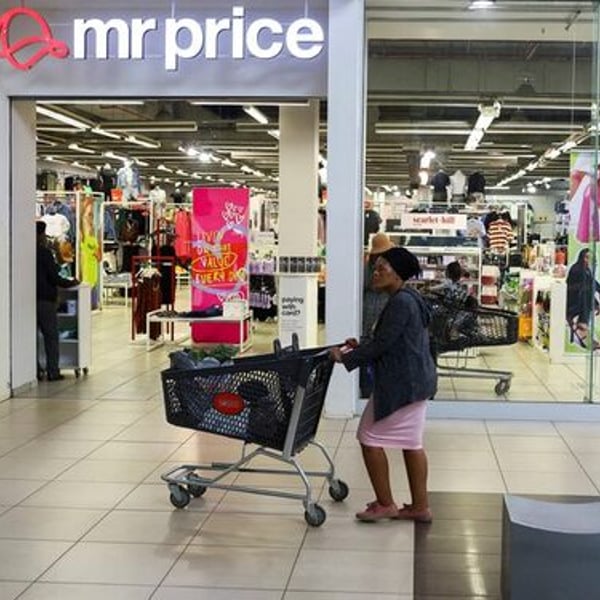
A shopper pushes a trolley outside a branch of South African clothing and homeware retailer Mr Price, at the Trade Route Mall, in Lenasia outside Johannesburg, South Africa, February 8, 2023 – REUTERS/Siphiwe Sibeko/File Photo
Mr Price said that NKD, an apparel and homeware retailer with 2,108 stores in seven Central and Eastern European countries, is a strategic fit. Market data indicates that the growth in the value retail market is outpacing that of the overall retail market. In Europe, value retailing accounts for about 22% of the market.
“After meeting the NKD team, it was evident that this was the right business to pursue,” said the group’s Chief Executive Officer Mark Blair. “Like us, they are value-retailers at heart and have a very clear understanding of who their customer is and how to best serve them,” he added.
The acquisition of NKD, which is from funds managed by TDR Capital LLP, includes the purchase of all NKD shares and income from shareholder loans. The deal will be settled using a mix of existing cash reserves and debt facilities, Mr Price said in a statement.
The transaction is subject to regulatory approvals, including clearance from the European Commission and the South African Reserve Bank. It is expected to close by the second quarter of 2026, Wednesday’s statement said.
Once completed, Mr Price’s annual revenue would increase to approximately 53 billion rand ($3.12 billion) from 40.9 billion rand, while the number of its stores would reach more than 5,000, up from around 3,100, and it would have more than 40,000 employees.
Private equity firm CVC Capital Partners is seeking a sale of FineToday Holdings, the Japanese personal-care company behind the Tsubaki shampoo brand, after shelving plans to list it in Tokyo, said four sources with knowledge of the matter.
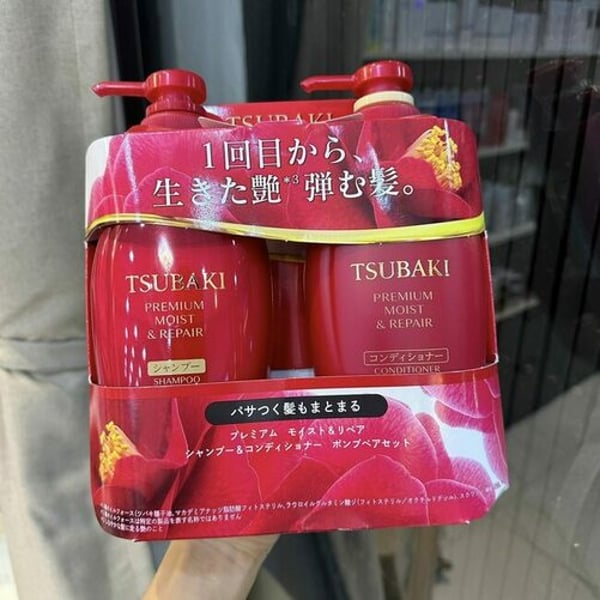
The Tsubaki shampoo brand retails in numerous Asian countries – The Beauty Room- Facebook
FineToday, which counts China as its second-biggest market, postponed its Tokyo Stock Exchange initial public offering (IPO) in October, citing market conditions, according to a company statement. FineToday was expected to debut with a market capitalisation of about 169 billion yen ($1.08 billion) in the postponed IPO. The company had previously targeted roughly 219 billion yen in a 2024 attempt to go public.
Both valuation outcomes fell short of CVC’s internal expectations, two of the sources said. One of the sources said CVC is now seeking a valuation of over $2 billion, or around 14–15 times earnings before interest, taxes, depreciation and amortisation (EBITDA), for FineToday.
Interest has emerged from global buyout firms and at least one Chinese strategic investor, one of the sources added, but declined to name any of the interested parties. All the sources declined to be identified as the information is confidential.
CVC and FineToday declined to comment on Wednesday. The planned sale comes amid renewed strains in Japan–China relations. FineToday noted in its latest preliminary offering document that sales in China and Hong Kong were hit by a consumer backlash against Japanese brands after Japan released treated water from the Fukushima nuclear plant in 2023, and warned that it remains exposed to any future geopolitical tensions.
FineToday was created in 2021 after Shiseido Co carved out its personal-care unit and sold it to CVC in a 160 billion yen deal. The Tokyo-based company manufactures and markets haircare, skincare and deodorant products under brands including Tsubaki, Fino, Senka, Uno, Ag Deo24 and Kuyura, according to its official website and IPO filing.
About half of its sales come from overseas markets, with China a key market. In the six months ended June 30, 2025, 35.9% of revenue came from China and Hong Kong, while Japan contributed 44.3%, the filing showed.
FineToday posted 107.3 billion yen ($688.66 million) revenue in 2024 and 56.6 billion yen in the first half of 2025, with an adjusted EBITDA margin improving to 21.0% from 15.5% a year earlier, according to the filing.
US and Indian trade negotiators begin two days of talks Wednesday as they try to reach a deal amid geopolitical turbulence after Washington hit New Delhi with huge tariffs over its purchases of Russian oil.
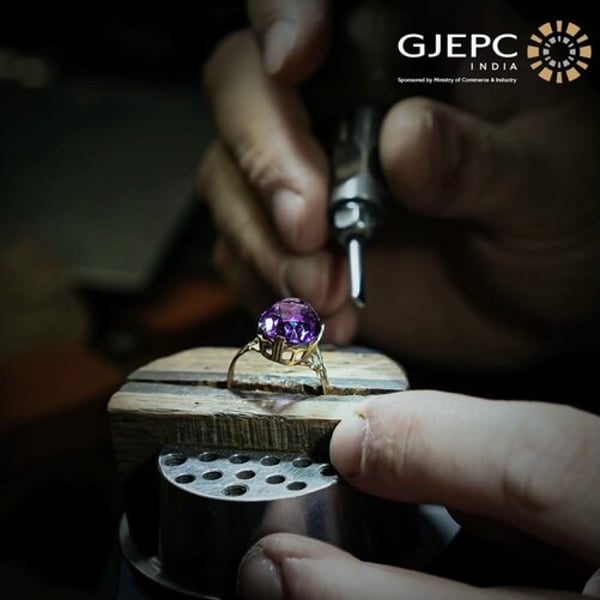
The gem and jewellery industry hopes an improved tariff rate will turn around export rates to the US – GJEPC – India- Facebook
The 50% levies on most goods was imposed in August, with US officials arguing the imports of discounted Russian crude effectively bankroll Moscow’s war in Ukraine. Deputy US Trade Representative Rick Switzer’s visit comes a week after Prime Minister Narendra Modi embraced Russian President Vladimir Putin in New Delhi.
India’s foreign ministry described Switzer’s meetings as a “familiarisation” trip. India was among the first countries to begin trade talks after President Donald Trump unveiled sweeping tariffs on most US trade partners in April. But it is one of the few major economies still without an agreement, raising risks for jobs, economic growth, and markets.
India is the world’s fastest-growing major economy and recorded a $45.8 billion goods trade deficit with the US in 2024. Large export categories such as smartphones and generic drugs are exempt from Trump’s tariffs, but many labour-intensive industries are not.
That’s a serious blow for a country already struggling to generate well-paid jobs for millions of young graduates, and the turmoil threatens Modi’s ambition to lift the country into high-income status. Exports fell nearly 12% year-on-year in October, driven by a plunge in US-bound shipments.
The Global Trade Research Initiative (GTRI) estimates that labour-heavy sectors- gems and jewellery, textiles and seafood- saw export drops of 37-60% between May and September. Foreign investors have dumped more than $16 billion in Indian equities this year, helping push the rupee to a record low past 90 per dollar.
The International Monetary Fund has also cut India’s 2026-27 growth forecast from 6.4% to 6.2%, assuming “prolonged 50% US tariffs”. Exports could shrink to about $49.6 billion this fiscal year, from $86.5 billion last year, potentially knocking up to 80 basis points off growth, according to the GTRI.
India enthusiastically bought discounted Russian crude after the 2022 invasion of Ukraine as Moscow was hammered with severe sanctions including on its sale of oil. But Trump’s decision to link trade policy to geopolitics upended US-India relations in August, with roughly half of the tariff burden stemming from Washington’s attempt to penalise those purchases.
The US president has repeatedly claimed India either plans to stop, or has already mostly stopped, buying Russian oil- a claim New Delhi has neither confirmed nor denied. But when in the Indian capital, Putin offered to “continue uninterrupted shipments of fuel.” Modi did not comment directly on oil flows.
However, top buyer Reliance Industries said in November it stopped importing Russian oil for its export-focused refinery, while smaller refiners like HPCL-Mittal Energy have said they have stopped entirely.
Analysts at trade intelligence platform Kpler expect a “notable dip” in India’s December-January imports. Whether that decline will sway Washington is unclear.
Negotiating a trade pact is complicated by the need to address Trump’s so-called reciprocal tariffs, though both tracks are linked, officials say.
“These are two separate, parallel negotiations that are going on, but one will feed into another,” Commerce Secretary Rajesh Agrawal told an industry event last week.
Relations have improved since August, with several smaller deals advancing. That includes US approval in November for two arms sales worth nearly $93 million, and New Delhi’s “significant” deal for the US to supply nearly 10 percent of its liquefied petroleum gas (LPG) imports.
Energy commitments have anchored past US trade deals, and experts say the LPG contract may help convince Washington that India is reducing its reliance on Russia.