
Politics
Nonprofits will shape America’s civic future in 2026


The nonprofit sector has long been a stabilizing force, but 2025 underscored just how essential it is to the nation’s civic health.
Despite political tension, economic uncertainty, and rising demand for services, nonprofits continued to deliver hope, connection, and problem-solving to millions of people. Looking ahead to 2026, the challenges are real, but so is the opportunity for the sector to help shape a stronger, more resilient future.
Three trends from the past year offer both direction and optimism.
First, the politicization of nonprofit work — while undeniable — has sparked a renewed focus on civic engagement and policy literacy.
Organizations across the country are becoming more intentional about understanding their rights, responsibilities, and role in public life. Rather than retreating, nonprofits are finding their voice. They are learning to communicate their missions clearly, advocate for their communities responsibly, and engage policymakers in ways that strengthen— not politicize — their work.

This shift is encouraging. More organizations are preparing for conversations with local officials, participating in coalitions, and helping shape policies that directly affect the people they serve. Instead of viewing politics as a threat, nonprofits are increasingly recognizing policy engagement as a natural extension of their mission. That is good for communities — and for democracy.
Second, mission clarity has emerged as a powerful source of trust and alignment.
In an era when donors and constituents expect transparency and speed, organizations are rediscovering the value of purpose. This is not about marketing. It is about identity. The nonprofits that thrived in 2025 were those that articulated a clear “why,” described their impact in plain language, and demonstrated alignment with community needs and public priorities.
That clarity has ripple effects. It strengthens donor confidence, improves collaboration with government agencies, and helps organizations stay focused amid constant noise. Mission clarity is also becoming central to effective policy advocacy, as policymakers respond best when nonprofits can clearly define the problems they address and the outcomes they deliver.
Third, organizational capacity is increasingly understood as a policy issue, not merely an internal challenge.

The past year reinforced a long-standing reality: nonprofits cannot meet growing community needs with outdated systems, understaffed teams, and chronically underfunded operations. The hopeful development is that more funders, government partners, and civic leaders are acknowledging this gap. Conversations around general operating support, equitable funding models, and investment in administrative strength are becoming more mainstream.
Policy can play a transformative role here. Clearer contracting processes, timely reimbursement cycles, accessible grant requirements, and sustained public investment in nonprofit capacity would allow organizations to deliver services more efficiently and equitably. Many of these changes are achievable, and momentum is building.
Looking ahead to 2026, the path is demanding but full of possibilities.
Nonprofits can seize this moment by strengthening advocacy readiness, sharpening mission focus, and investing in the people and systems that sustain their work. Policymakers, funders, and community leaders can support them by recognizing that nonprofits are not auxiliary to government. They are essential civic infrastructure.
What inspires confidence is not only the sector’s resilience, but the clarity it is gaining. If 2025 was a year of turbulence, 2026 can be a year of intentionality — one in which nonprofits fully claim their role in shaping policy, advancing community well-being, and building a stronger future for all.
___
Sabeen Perwaiz is CEO of the Florida Nonprofit Alliance, a statewide association of Florida nonprofits.

Ma de La Luz Mejia Rosas died last month after the 70-year-old suffered a ruptured brain aneurysm on Universal’s Revenge of the Mummy ride, according to a newly released Medical Examiner’s report.
Rosas became unresponsive on Nov. 25 on the indoor roller coaster then passed away two weeks later Dec. 9 at Orlando Regional Medical Center, records showed.
“Mrs. Rosas went to the park to enjoy time with her children and grandchildren, expecting a safe and joyful experience,” lawyer Ben Crump, who is representing her family, said in a statement.
“Instead, her family is now left grieving and searching for answers. They deserve a full understanding of what happened before, during, and after this ride. We intend to thoroughly investigate the circumstances surrounding this tragedy and ensure her family’s voice is heard.”
Crump said he is asking for information about the ride’s operations, safety protocols, maintenance history and data on other incidents.
Universal did not immediately respond to a request for comment Tuesday.
Rosas’ death was publicly disclosed on a statewide theme park injury report last week.
Florida’s major theme parks are required to self-disclose all visitors’ injuries on rides if the guests were hospitalized for at least 24 hours. The report is publicly released by the Florida Department of Agriculture and Consumer Services, though it contains limited information on what went wrong and about visitors’ condition.
The theme park injury report showed 16 people had been hurt on Revenge of the Mummy since it opened in 2004. Most recently, a 32-year-old woman felt “neck pain/motion sickness” last year. A 60-year-old woman had a seizure in 2017. Other guests reported chest pain, light headedness, feeling nauseous or passing out.
Crump was previously representing the family of a man with disabilities who died in September after riding a roller coaster at Universal’s Epic Universe theme park.

The family and Universal settled out of court in a confidential settlement.
Millions of people visit Orlando’s theme parks every year, and a handful of tragedies occur.
Earlier this month, a wrongful death lawsuit was filed against The Boathouse restaurant after a man died from choking on a steak at Disney Springs last year.
Politics
Stacy Hahn files to challenge GOP incumbent Donna Cameron Cepeda in Hillsborough Commission race
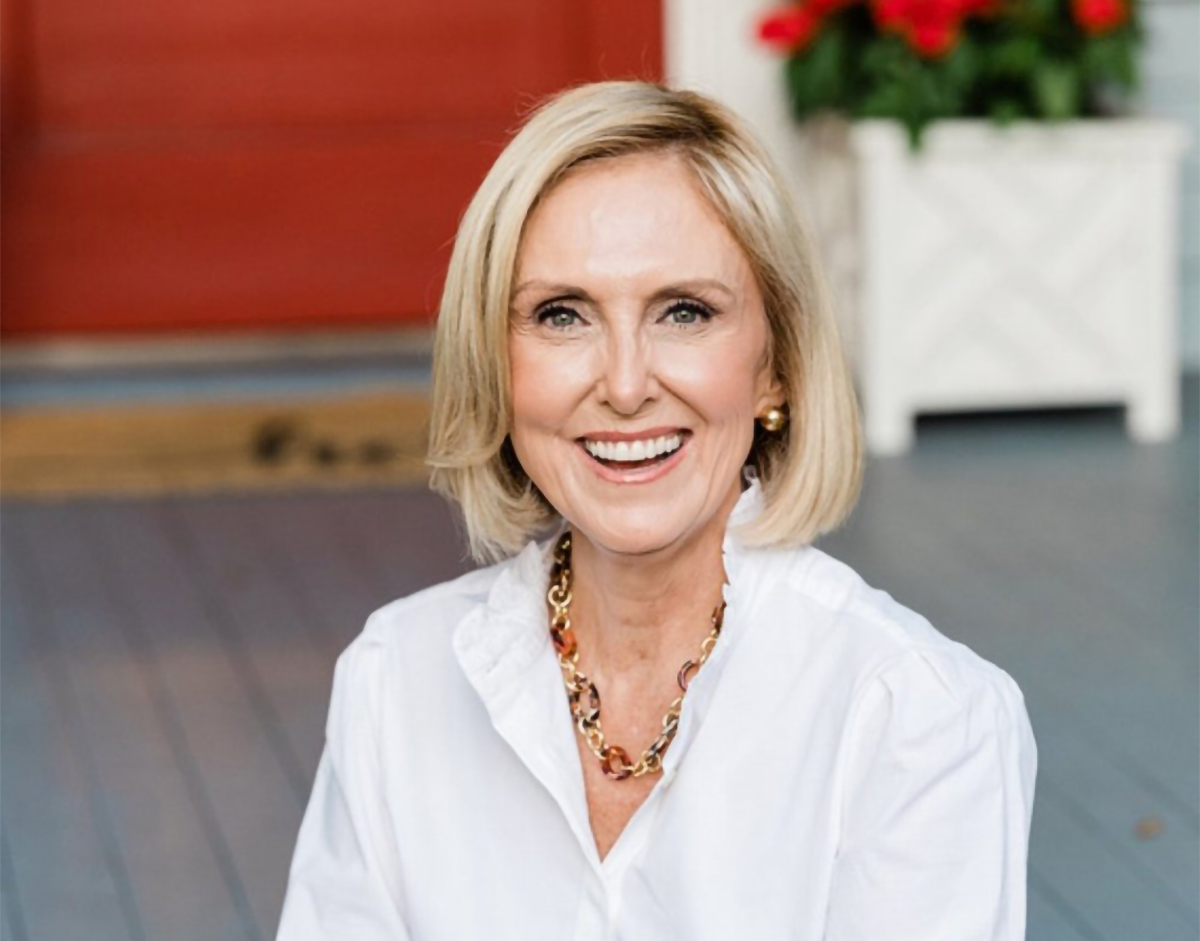
Republican Hillsborough County School Board member Stacy Hahn has filed to run for the Hillsborough County Commission, challenging another Republican in a gambit for the countywide District 5 seat.
Hahn, who has served on the Hillsborough County School Board since 2018, announced her candidacy by citing her experience with the School District as evidence of her fiscal responsibility and belief in limited government.
The countywide District 5 seat is currently held by incumbent Republican Commissioner Donna Cameron Cepeda, who won election in 2022 as part of a broader GOP sweep that flipped control of the Hillsborough County Commission.
The race is already drawing significant attention, with well-funded Democratic challenger Neil Manimala also vying to claim the seat. Manimala has a significant lead in funds raised, with his campaign already reporting more than $121,000 compared to $6,000 raised by Cepeda, according to Supervisor of Elections records. Hahn has not yet been required to submit a funding report.
Hahn described herself as a conservative who supports limited government and fiscal discipline, arguing that government is most effective when it empowers individuals, families and businesses rather than expanding bureaucracy.
In a statement, Hahn said her time on the School Board gave her a firsthand view of how county-level decisions affect classrooms, neighborhoods and the local economy, touching on issues such as public safety, infrastructure, housing affordability and budgeting.
“As a School Board member, I worked closely with families, educators, and community partners, and I saw firsthand how county decisions impact our classrooms, neighborhoods, and local economy — from public safety and infrastructure to housing affordability and responsible budgeting,” Hahn said.
“Hillsborough County is a unique and beautiful place with tremendous potential. To unlock that potential, we need common-sense leadership at the County Center — leaders who are focused on improving quality of life for every neighborhood, supporting local businesses, and being responsible stewards of taxpayer dollars.”
First elected to the School Board in 2018, Hahn has focused her tenure on financial transparency, literacy initiatives, workforce and career pathways, and early childhood education. She has pointed to her oversight of the School District’s roughly $4.4 billion budget and management of the county’s largest employer as preparation for the demands of county government, saying that experience helped her balance budgets, manage growth and deliver results.
Hahn has also been involved in a range of community and nonprofit efforts, including literacy- and STEM-focused programs, according to her campaign materials. She lives in Tampa with her husband, Jeff, their three children, Ethan, Jackson and Aidan, and their dog Rocky.

Hahn said she is “excited about the work ahead and the opportunity to serve.”


Bartolomeo Rongone to leave Bottega Veneta for Moncler

Woman who died after riding Universal’s Revenge of the Mummy had ruptured aneurysm

At Davos, AI hype gives way to focus on ROI
-

 Politics8 years ago
Congress rolls out ‘Better Deal,’ new economic agenda
-
Entertainment9 years ago
New Season 8 Walking Dead trailer flashes forward in time
-
Politics9 years ago
Poll: Virginia governor’s race in dead heat
-
Politics8 years ago
Illinois’ financial crisis could bring the state to a halt
-
Entertainment8 years ago
The final 6 ‘Game of Thrones’ episodes might feel like a full season
-
Entertainment9 years ago
Meet Superman’s grandfather in new trailer for Krypton
-
Business9 years ago
6 Stunning new co-working spaces around the globe
-
Tech8 years ago
Hulu hires Google marketing veteran Kelly Campbell as CMO