
Politics
Miami-Dade Clerk greenlights petition to recall Daniella Levine Cava

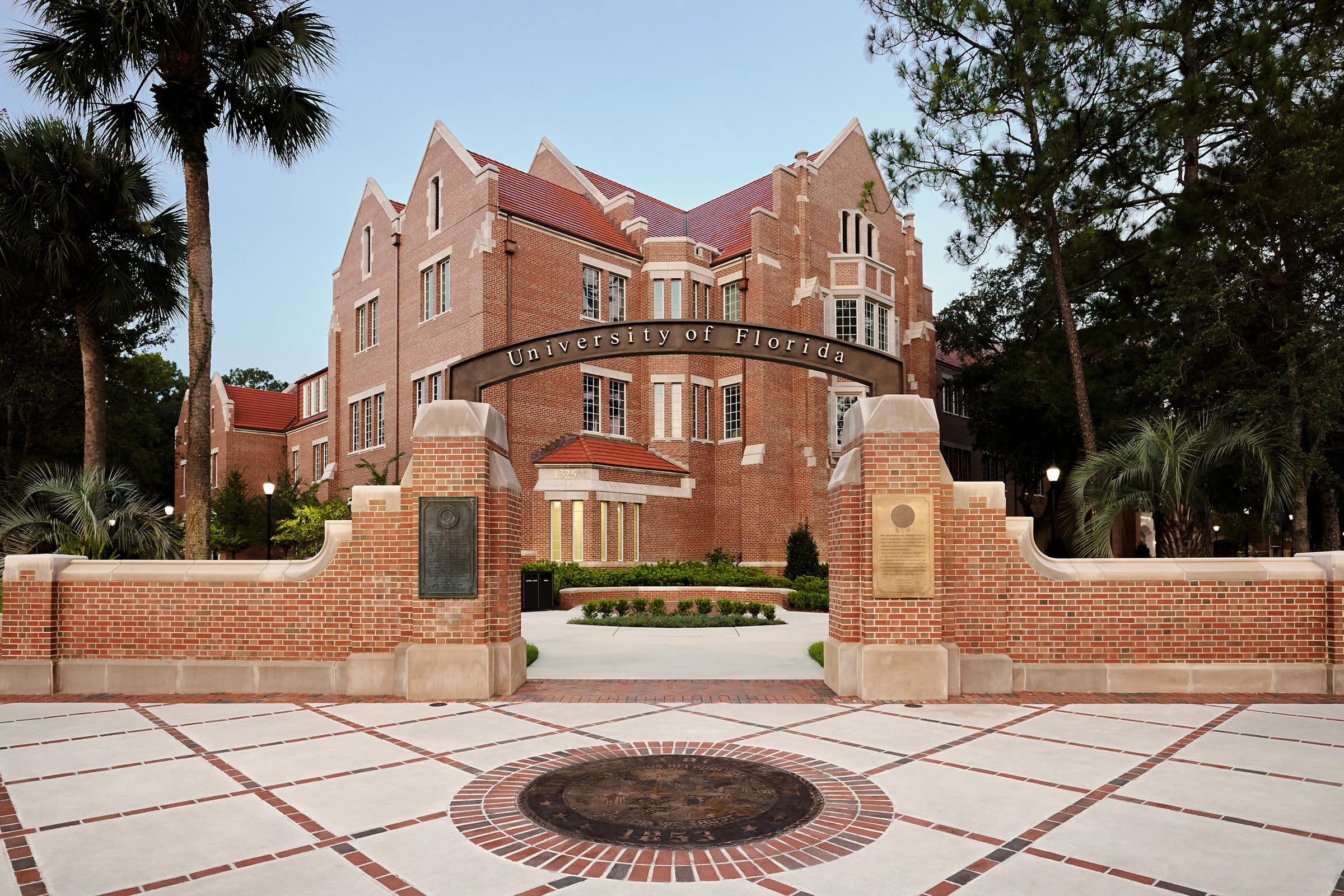
Seven Florida public universities are earning recognition for outreach to their respective communities in the state.
The State University System (SUS) of Florida announced that the Carnegie Foundation awarded the schools with the 2026 Community Engagement Classification. The award, which is designated by the American Council on Education and Carnegie Foundation for the Advancement of Teaching, highlights colleges and universities that are involved in the community.
The Sunshine State schools receiving the recognition include Florida Atlantic University, Florida Gulf Coast University, Florida International University, Florida State University, the University of Florida, the University of North Florida and the University of South Florida. Of the 12 state universities in Florida, the University of Central Florida and the University of West Florida also obtained the honor in 2024.
“Florida’s public higher education system leads the nation because our focus extends past handing out degrees; our institutions care about their impact on their communities, statewide, and beyond,” said SUS Board of Governors Chair Alan Levine.
“From nursing to engineering to aerospace technology, our academic programs are serving students and Floridians through innovative research and experiential learning that solve today’s challenges and prepare tomorrow’s leaders.”
Carnegie officials note that 230 U.S. higher-education institutions were selected for the award.
“The Community Engagement Classification is awarded following a process of self-study by each institution. The classification has been the leading framework for institutional assessment and recognition of community engagement in U.S. higher education for the past 19 years with classification cycles in 2006, 2008, 2010, 2015, 2020, 2024, and now 2026. The 2029 cycle will be for first-time applicants,” a Carnegie news release said.
SUS officials say the schools never shied away from giving back to residents.
“Under the System’s strategic plan, universities prioritize engaging stakeholders in their communities to elevate student and economic outcomes, and to cultivate prepared and engaged citizens,” said SUS Chancellor Ray Rodrigues.
“Recognition through the Community Engagement Classification demonstrates this plan in action, proving that our universities are a comprehensive resource for communities and businesses across the state and serve Floridians in the ways that matter most.”


Florida is in the middle of a housing affordability crisis.
Across our state, families are feeling the squeeze of a housing market that no longer works for them. Rapid population growth, rising construction costs, and record-high taxes all contribute to the crisis. But a major part of the problem is far less visible.
Outdated zoning rules are making it harder to build the homes Floridians need.
Minimum lot-size mandates are a major issue. In many communities, local governments require new homes to be built on lots that are far larger than the market demands. This may have made sense a decade ago, but today it limits housing supply, increases costs, and pushes homeownership out of reach for the next generation.
The impact is clear. According to the American Enterprise Institute, Florida faces a housing shortage of more than 486,000 homes. Families are paying more than ever just to keep a roof overhead, and the average home price in Florida has now reached about $400,000. This is a clear sign that housing costs are continuing to rise in Florida, and we urgently need these reforms. Multigenerational households, which are increasingly common in states where families care for multiple children and aging parents under one roof, often cannot expand or add living space because zoning rules restrict growth.
The housing affordability crisis is not accidental. It’s the result of decades of policies that restricted supply, limited housing types, and made it nearly impossible for the market to keep up with demand.
Florida homeowners need common-sense solutions. Thankfully, lawmakers have filed legislation, SB 948 and HB 1143, that would modernize minimum lot size requirements and restore flexibility for both homeowners and builders. This reform would allow the market to produce the smaller, more attainable homes that do not exist today. And Florida would not be alone.
Texas recently enacted similar lot-size reforms and has shown that a conservative, pro-growth approach to zoning works. When Texas lifted unnecessary land-use barriers, communities gained more choices and families benefited from a wider range of affordable housing options.
This effort also aligns with another important housing solution moving through the Legislature. House Bill 313 and Senate Bill 48 strengthen support for accessory dwelling units (ADU), often called garage apartments, in-law suites, or granny flats. ADUs give families a practical way to create affordable rental units, support aging parents, help young adults stay close to home and make better use of underused land near jobs and schools.
Both reforms target the same issue: the lack of affordable homes in communities across Florida.

When local governments enforce large minimum lot sizes, they block the smaller, more affordable homes that many families would choose. They also make it more difficult for ADUs, modular homes, and cottage-style developments to expand.
At a time when families are being priced out of the neighborhoods they love, these restrictions no longer make sense.
By eliminating minimum lot-size mandates, lawmakers can enable new starter homes, duplexes, cottages, and family-friendly ADUs that reflect how people actually live today. A statewide approach would also bring consistency and predictability to a system that currently varies widely across localities.
Florida has always been a place of opportunity. But opportunity means little if families cannot afford to buy a home and stay there.
Americans for Prosperity-Florida supports this legislation because it puts families, homeowners and communities first. Floridians deserve the freedom to use their property in ways that meet their needs while strengthening families and communities. We appreciate Sen. Stan McClain and Rep. Danny Nix, sponsors of SB 948 and HB 1143, along with Sen. Don Gaetz, for driving these common sense solutions that will help lower housing costs and expand opportunities for Florida families.
It is time to lift outdated restrictions and help end the housing affordability crisis.
Together, we can get the government out of the way and create greater housing opportunities for Florida families.
___
Skylar Zander is the State Director of Americans for Prosperity-Florida.
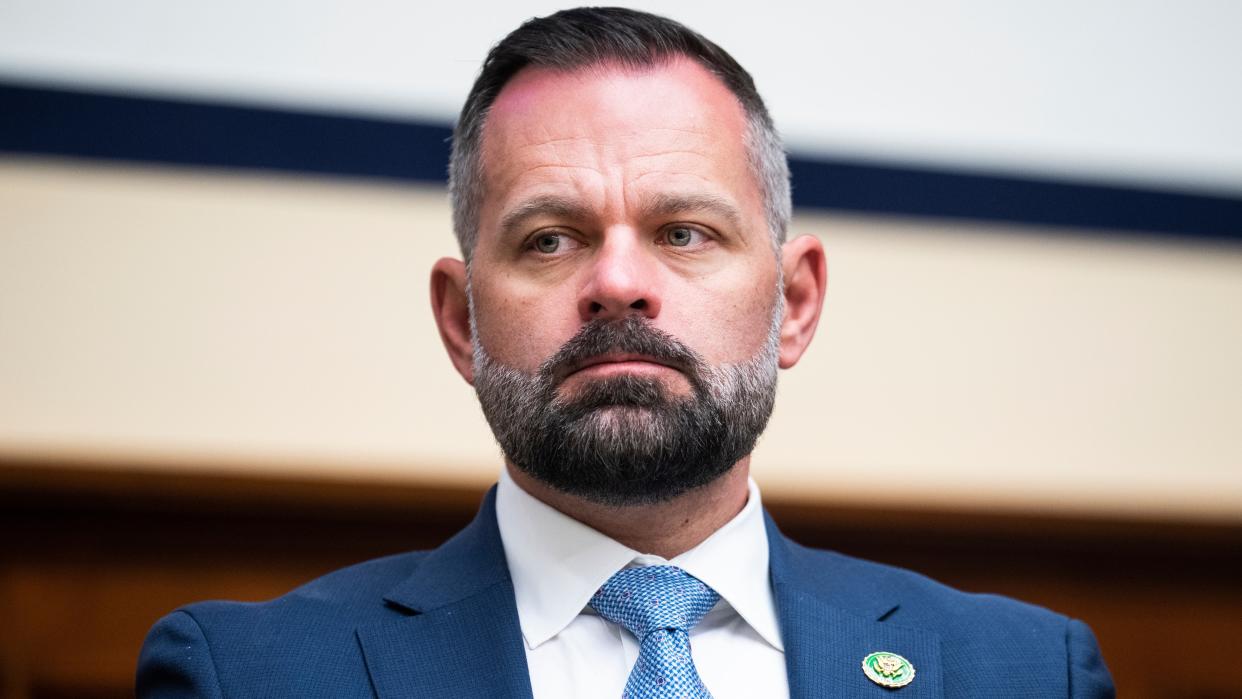
A top political prognosticator just offered a fresh assessment on Democrats’ chances of unseating U.S. Rep. Cory Mills.
Cook Political Report has moved Florida’s 7th Congressional District from its “Solid Republican” to “Likely Republican” column.
The shift came as the high-profile election predictions site moved 18 House races nationwide in a direction favorable to Democrats. That suggests a hostile climate for Republicans overall, two years after President Donald Trump’s return to the White House.
But Mills’ particular situation has also been impacted by a series of scandals, something the Democratic Congressional Committee (DCCC) was quick to point out.
“Voters in Florida’s 7th Congressional District deserve a representative that is focused on them and their priorities, not someone distracted by the need to litigate personal scandals on multiple fronts,” said DCCC Spokesperson Madison Andrus. “This November, Floridians are going to elect a fighter that’s actually in their corner.”
Three Democrats remain in the running to challenge Mills: Jennifer Adams, Bale Dalton and Marialana Kinter. Noah Widmann, the top fundraiser through the third quarter of 2025, recently dropped out and endorsed Dalton.
Mills, meanwhile, has faced criticism even from Republican colleagues, especially women, who have encouraged him not to seek another term.
The New Smyrna beach Republican remains under investigation by the House Ethics Committee for a number of issues, including allegations about him profiting from Defense Department contracts while serving in Congress, assaulting a girlfriend in their shared Washington apartment, threatening to publicly distribute intimate photos of an ex-girlfriend who lived with him in New Smyrna Beach, and exaggerating his military service.
Mills in 2024 won re-election to a second term, receiving 56.5% of the vote over Adams. In the same election, 55.6% of voters supported Trump for President compared to 43.1% support for Democrat Kamala Harris, according to MCI Maps. More than 54.7% of voters in the district supported U.S. Sen. Rick Scott’s re-election.
Notably, the lines for CD 7 could soon shift, with GOP leaders in Florida promising redistricting ahead of the Midterms.



Gavin Newsom’s anti-Zohran moment: the California billionaires tax

TMZ Sports Streaming Live From Newsroom, Join The Conversation!

Gap goes Hollywood with new chief entertainment officer
-

 Politics8 years ago
Congress rolls out ‘Better Deal,’ new economic agenda
-
Entertainment8 years ago
New Season 8 Walking Dead trailer flashes forward in time
-
Politics9 years ago
Poll: Virginia governor’s race in dead heat
-
Politics8 years ago
Illinois’ financial crisis could bring the state to a halt
-
Entertainment8 years ago
The final 6 ‘Game of Thrones’ episodes might feel like a full season
-
Entertainment8 years ago
Meet Superman’s grandfather in new trailer for Krypton
-
Business8 years ago
6 Stunning new co-working spaces around the globe
-
Tech8 years ago
Hulu hires Google marketing veteran Kelly Campbell as CMO