
Politics
Miami-Dade Clerk greenlights petition to recall Daniella Levine Cava

Philip Morris International and its U.S. businesses (PMI U.S.) have invested more than $20 billion since 2022 to acquire, and invest in, U.S. manufacturing capabilities, commercial rights, infrastructure and jobs.
Most of the investments, totaling $19 billion, occurred in 2022, including acquisition of Swedish Match, which generates most of its revenue in the U.S. Since then, PMI U.S. has invested more than $1 billion, as of Sept. 30, including investments in Colorado, Kentucky and North Carolina, which are expected to generate more than 1,000 direct and 1,500 indirect jobs. Economic impact from those investments is estimated at more than $800 million.
“We’re investing in the country’s future, starting with accelerating the shift to a smoke-free America, a nation free from cigarettes,” PMI U.S. CEO Stacey Kennedy said.
“Being fully invested in America begins with making better products and leading an industry transformation responsibly, but it extends far beyond that. Guided by innovation, a sustained focus on impact, and a deep commitment to the communities where we live and work, we’re creating high-quality, high-skill jobs and strengthening the places that power our workforce.”
PMI U.S. investments add to the more than $35 million in charitable giving the company has pledged since 2022, with nearly $12 million donated in 2025 across nearly 600 nonprofit organizations in 47 states and the District of Columbia.
“PMI U.S. expects to make substantial additional investments in manufacturing, operations, and people, further supporting U.S. jobs and legal-age nicotine consumers — ensuring the 30 million U.S. adults who still smoke cigarettes have access to better, science-based alternatives,” Kennedy said.
PMI U.S. is a major American employer, growing its workforce from just several hundred employees to more than 3,000 today, with a modern mission of establishing modern nicotine to deliver a smoke-free America. The company plans to continue growth and increase its investments following the launch of its IQOS ILUMA product, which is awaiting U.S. Food and Drug Administration (FDA) authorization.
The company has committed itself to driving innovation and helping adult smokers 21 and older switch to less harmful alternatives, including heated tobacco.
The company is leading the smoke-free transition in the U.S. through both heated tobacco and nicotine pouches. The company’s affiliates hold 80% of all modified risk tobacco product authorizations and 41% of premarket tobacco product application marketing granted orders from the FDA, including ZYN, the nation’s most popular smoke-free product.
PMI U.S. announced in September it had made $1.3 million in philanthropic efforts in Florida alone in 2021, including advocacy for veterans, supporting literacy and funding student scholarships through the state’s school choice programs.

That includes a $100,000 donation to the Wounded Veterans Relief Fund for its Critical Dental Assistance Program providing vital dental services to disabled veterans across the state.
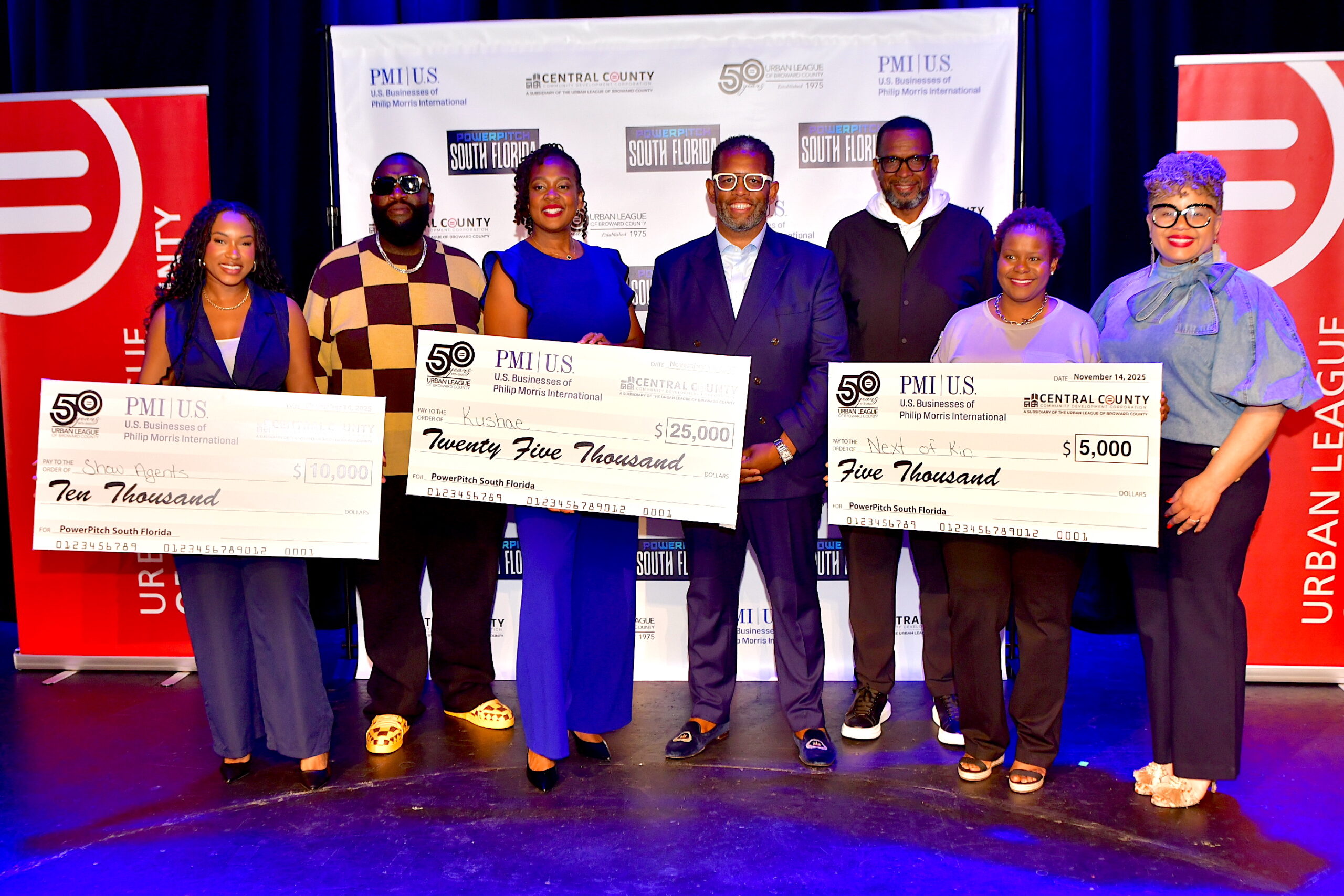
In November, PMI U.S. entered into a partnership with the Urban League of Broward County with a $400,000, three-year donation designed to expand economic opportunity for small businesses and accelerate economic development across South Florida.
Politics
Jason Shoaf will seek re-election to Legislature, sit out race to succeed Neal Dunn in Congress
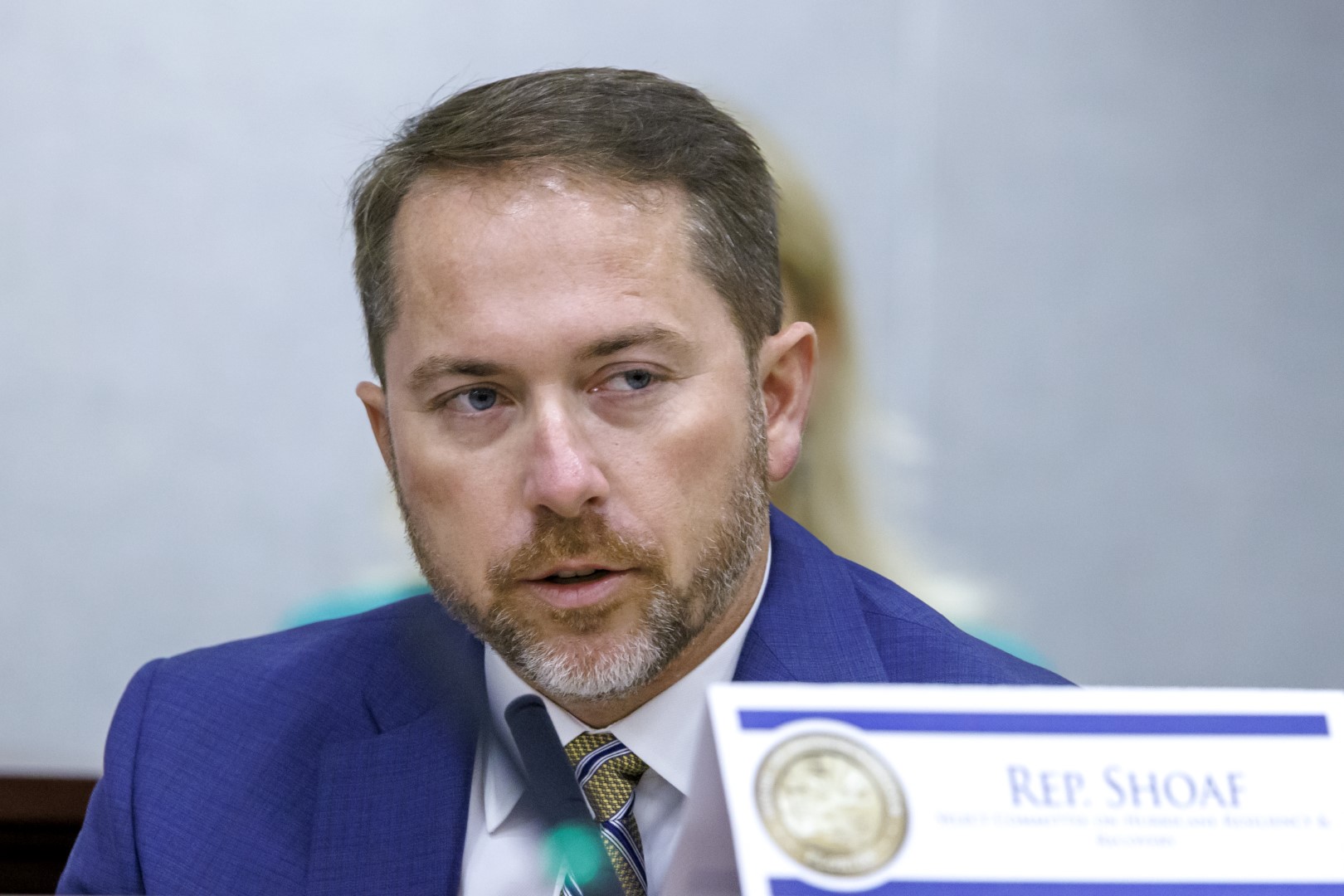
The Port St. Joe Republican plans to remain in the Florida House through 2028.
State Rep. Jason Shoaf says he will not run to succeed U.S. Rep. Neal Dunn.
“I am fully focused on serving the people of North Florida in the Florida House of Representatives, and I am committed to fulfill my term through 2028,” Shoaf said.
The Port St. Joe Republican first won his legislative seat in a Special Election in 2019. Term limits will not prohibit him seeking re-election this year.
He shot down rumors he may run for Congress two days after Dunn, Panama City Republican serving his fifth term in the House, announced his retirement at the end of this Congress.
Shoaf said he feels he can best serve his community by remaining in the Florida Legislature as a senior member. He currently serves the Transportation & Economic Development Budget Subcommittee. Shoaf remains the only candidate filed in House District 7.
“I believe this next two years in my current role is my greatest chance to make the most meaningful impact delivering real results for our communities, strengthening our economy and defending the values that make North Florida such a special place to call home,” Shoaf said.
Other candidates already in the race for Florida’s 2nd Congressional District include Republican Party of Florida Chair Evan Power and former U.S. Senate candidate Keith Gross. But speculation has swirled significantly this week about whether other Republicans in the region will run for the seat now that it’s open.
CD 2, which covers parts of the Panhandle and Big Bend, currently leans comfortably Republican.
Dunn easily won re-election in 2024 over Democrat Yen Bailey with about 61.7% of the vote. More than 58.5% of voters there supported Republican Donald Trump over Democrat Kamala Harris for President, according to MCI Maps, and more than 60% of voters backed GOP U.S. Sen. Rick Scott’s re-election.
Notably, Republican leaders in Tallahassee say they intend to redraw congressional districts ahead of the 2026 Midterms.

Aspiring lawyers may soon have more paths to a legal career.
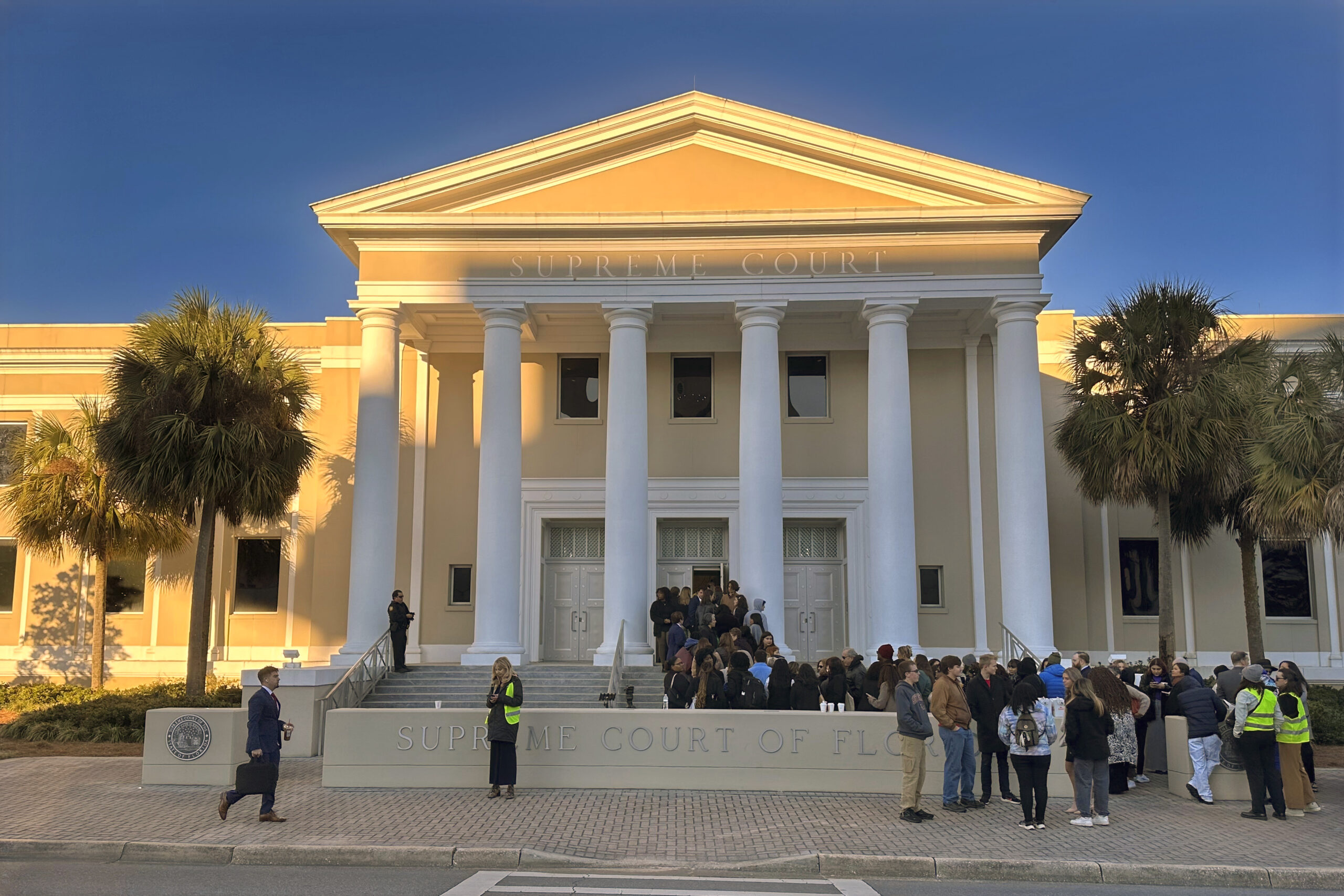
In a 5-1 decision, the Florida Supreme Court amended its rule making the American Bar Association (ABA) “the sole accrediting agency for law schools whose graduates are eligible to sit for this state’s General Bar Examination.”
The revision will “expand the accrediting agencies by which a law school may be approved or provisionally approved” to allow law school graduates to take the Bar.
The opinion, which follows the lead of Texas, was issued after Gov. Ron DeSantis and Attorney General James Uthmeier called for alternative accreditors, with the former taking issue with the ABA’s “progressive agenda” and the latter criticizing the organization as “woke” and accusing it of discriminating against Catholics.
“Mission accomplished,” exulted Jason Weida, Chief of Staff for the Governor.
The high court started a workgroup last year to explore alternatives to the ABA given its perceived political stances and “accreditation standards on racial and ethnic diversity in law schools,” with an eye toward trying to “reduce Florida’s near-exclusive reliance on the ABA while promoting greater flexibility and innovation in legal education.”
That study provided the framework for the rule revision.
“Based on its independent study and its consideration of the workgroup’s report, the Court is persuaded that it is not in Floridians’ best interest for the ABA to be the sole gatekeeper deciding which law schools’ graduates are eligible to sit for the state’s General Bar Examination and become licensed attorneys in Florida,” reads the opinion, which was led by Chief Justice Carlos Muñiz, with Justices John Couriel, Jamie Grosshans, Renatha Francis and Meredith Sasso concurring.
“Instead, the rule changes create the opportunity for additional entities to carry out an accrediting and gatekeeping function on behalf of the Court.”
The revised rule opens the door “to a programmatic accrediting agency recognized by the United States Department of Education to accredit programs in legal education that lead to the first professional degree in law or an institutional accrediting agency recognized by the United States Department of Education to accredit institutions of higher education, provided the institutional accrediting agency is also approved by the Court.”

In a dissent, Justice Jorge Labarga worried about “detrimental” consequences for “replacing an established entity with an unknown alternative.”


Oregon QB Dante Moore turns down $50 million in NFL to stay in school amid growing NIL appeal

Harry Styles Announces Disco-Influenced 4th Solo Album, Ending Hiatus

Are gloomy spend forecasts wrong as report shows consumers prioritise fashion?
-

 Politics8 years ago
Congress rolls out ‘Better Deal,’ new economic agenda
-
Entertainment8 years ago
New Season 8 Walking Dead trailer flashes forward in time
-
Politics9 years ago
Poll: Virginia governor’s race in dead heat
-
Politics8 years ago
Illinois’ financial crisis could bring the state to a halt
-
Entertainment8 years ago
The final 6 ‘Game of Thrones’ episodes might feel like a full season
-
Entertainment8 years ago
Meet Superman’s grandfather in new trailer for Krypton
-
Business8 years ago
6 Stunning new co-working spaces around the globe
-
Tech8 years ago
Hulu hires Google marketing veteran Kelly Campbell as CMO