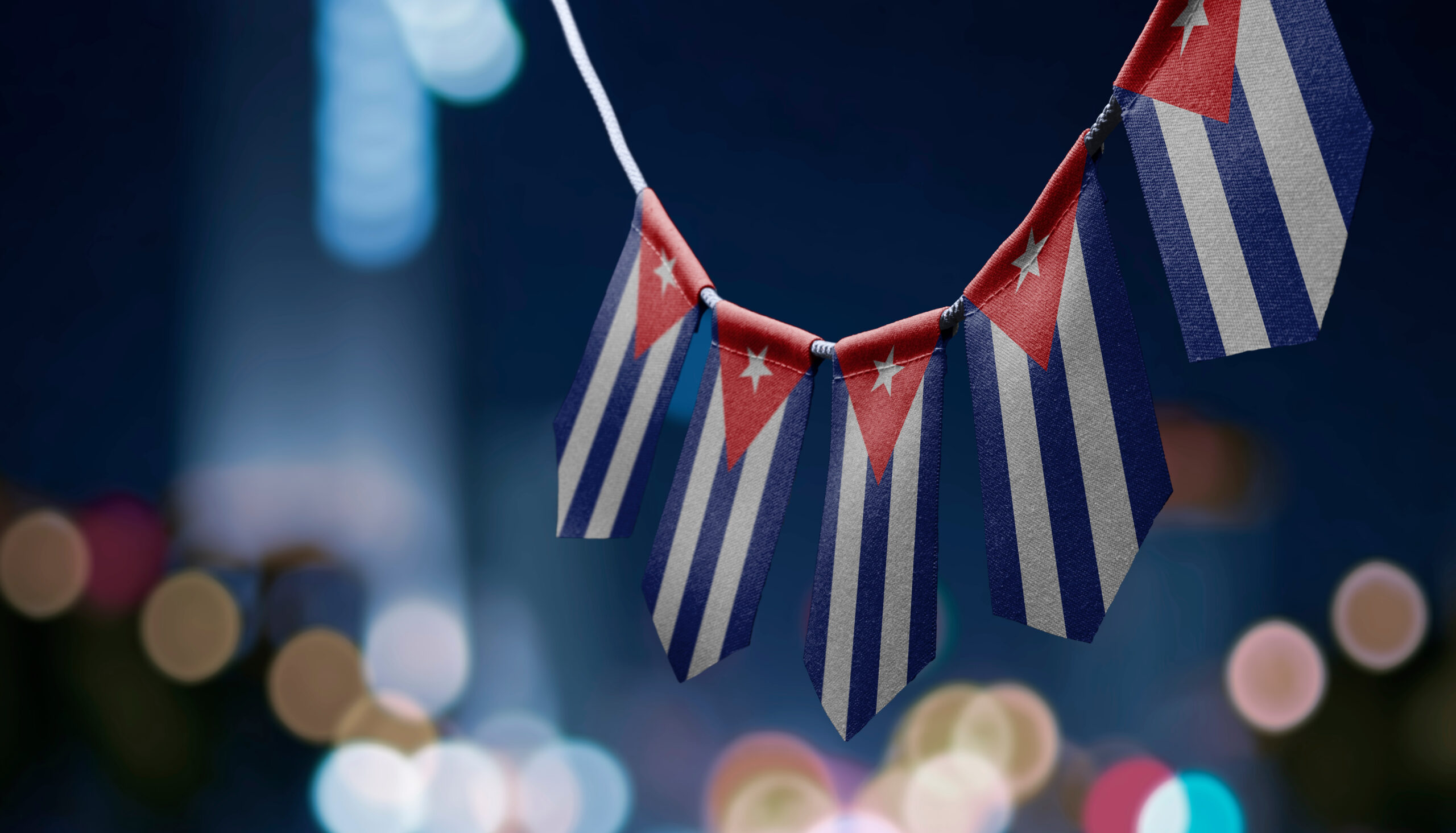
This Thursday, the Miami City Commission will take up a timely and forward-looking discussion from Ralph Rosado, calling for a review of the city’s contingency planning and policy guardrails in the event of a political transition in Cuba.
The agenda item comes amid growing speculation from national leaders that change on the island may be closer than expected. Both President Donald Trump and Secretary of State Marco Rubio have recently argued the Cuban regime faces increasing internal pressure and could collapse sooner rather than later.
Speaking in Doral at a Shield of the Americas summit over the weekend, Trump said change is coming to Cuba.
“As we achieve a historic transformation in Venezuela, we’re also looking forward to the great change that will soon be coming to Cuba,” Trump said, according to ABC News. “Cuba’s at the end of the line. They’re very much at the end of the line. They have no money. They have no oil. They have a bad philosophy. They have a bad regime that’s been bad for a long time.”
He further described Cuba as being “in its last moments of life as it was,” but that it will “have a great new life.”
For more than six decades, Miami has served as the epicenter of the Cuban-American community. Moments of major change on the island — from leadership transitions to significant political events — have historically generated large public demonstrations, vigils and celebrations across the city, particularly in neighborhoods such as Little Havana.
Ensuring the city is ready to manage these gatherings safely while protecting constitutional freedoms is a key focus of the proposed discussion. Rosado said it’s not about speculation, but about responsible governance.
“As the center of the Cuban diaspora in the United States, the City of Miami must always be prepared,” Rosado said. “If events in Cuba move quickly, we can expect large public demonstrations and gatherings here in our city. Our responsibility is to ensure that we are ready to manage those situations safely while fully protecting our residents’ First Amendment rights.”
The connection between Miami and Cuba is long-standing. Miami is just 230 miles from Havana. For perspective, Miami is closer to Havana than it is to Tampa. And Miami is where waves of Cuban exiles fled to during the height of Cuba’s communist regime.
Many of those who fled — and/or their descendants — see negotiations between the Trump administration and Cuba as a renewed hope that there will soon be a free Cuba. The Miami Herald chronicled some Cuban ex-pats and their thoughts on a possible change in conditions on the island, with some noting such progress could mean they could finally go home.
“I want to go back and die in Havana,” one such person told the outlet.
The City Commission review would allow the city to examine whether existing contingency plans remain current and whether any policy guardrails should be clarified to guide decision-making in rapidly evolving circumstances. City officials could evaluate coordination between the Miami Police Department, other municipal agencies and federal partners.
Rosado said the conversation is also about hope that the decadeslong struggle for freedom in Cuba may finally be nearing a turning point.
“For generations, Cuban exiles in Miami have dreamed of the day when Cuba will finally be free,” Rosado added. “That day may be closer than many think. When it comes, we must ensure that our city’s agencies and our community are prepared to respond responsibly and to stand ready to assist the Cuban people as they begin the long journey toward freedom and democracy.”