Sports
Mesa Wants An MLS Franchise

Mesa Joins the Stadium-Village Trend
The calendar year 2026 is picking up right where 2025 ended. Another city is going to create an entertainment district with the hope of building a stadium-village. The goal is to attract a Major League Soccer franchise, a National Women’s Soccer League team, or both. The latest municipality is Mesa, Arizona, which is part of the Phoenix metropolitan area. Mesa is the spring training home of the Major League Baseball Chicago Cubs franchise and John Fisher’s Athletics franchise. Mesa also hosts an Arizona Fall League development team.
The Palo District Proposal
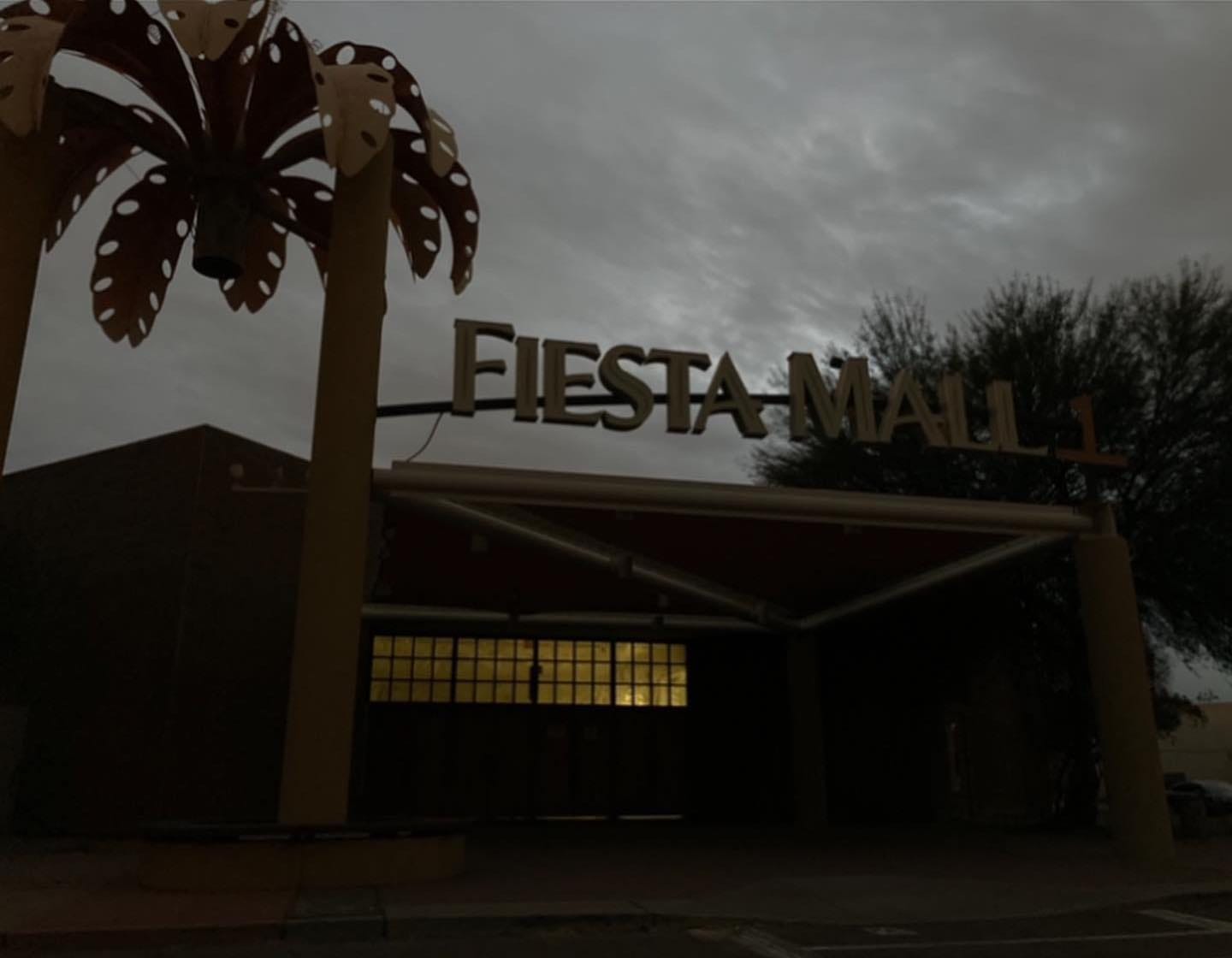
The Mesa City Council has approved the formation of the Palo District at a location where an abandoned mall is located. The district will feature restaurants, retail, lodging, offices, residences, and a “multi-use stadium that could include soccer.” The proposal promises to be an economic catalyst bringing jobs to the area. That is the standard line about these types of proposals.
“The Phoenix metropolitan area is a great place for it, and we’re able and willing to court them,” Mayor Mark Freeman said. “MLS, women’s soccer and there could be other sports venues as well.”
Quick Approval, Bigger Challenges
It took the Mesa city council about 12 minutes to approve the creation of the district. No Mesa residents attended the meeting. That was the easy part. Now comes the real work. Finding money to build the stadium-village, finding an owner, and then finding a league that wants to put a soccer team in Mesa.
There is no indication that Major League Soccer wants to expand in the near future. The league has been keeping an eye on developments in Indianapolis, where elected officials also want to build a stadium-village. The NWSL probably would have an interest in placing a team in the Phoenix area if a stadium becomes available.
Politicians Bet on Stadium-Villages
Politicians are falling in love with soccer-stadium villages. This is despite the fact there is no evidence they are an economic generator. The concept remains appealing as a way to bring sports, development, and jobs to cities. Mesa now joins the growing list of municipalities attempting to leverage this strategy for professional soccer.
Evan Weiner’s books are available at iTunes – https://books.apple.com/us/author/evan-weiner/id595575191
Evan can be reached at evan_weiner@hotmail.com