Sports
Macon Mayor Is Pushing For A New Arena
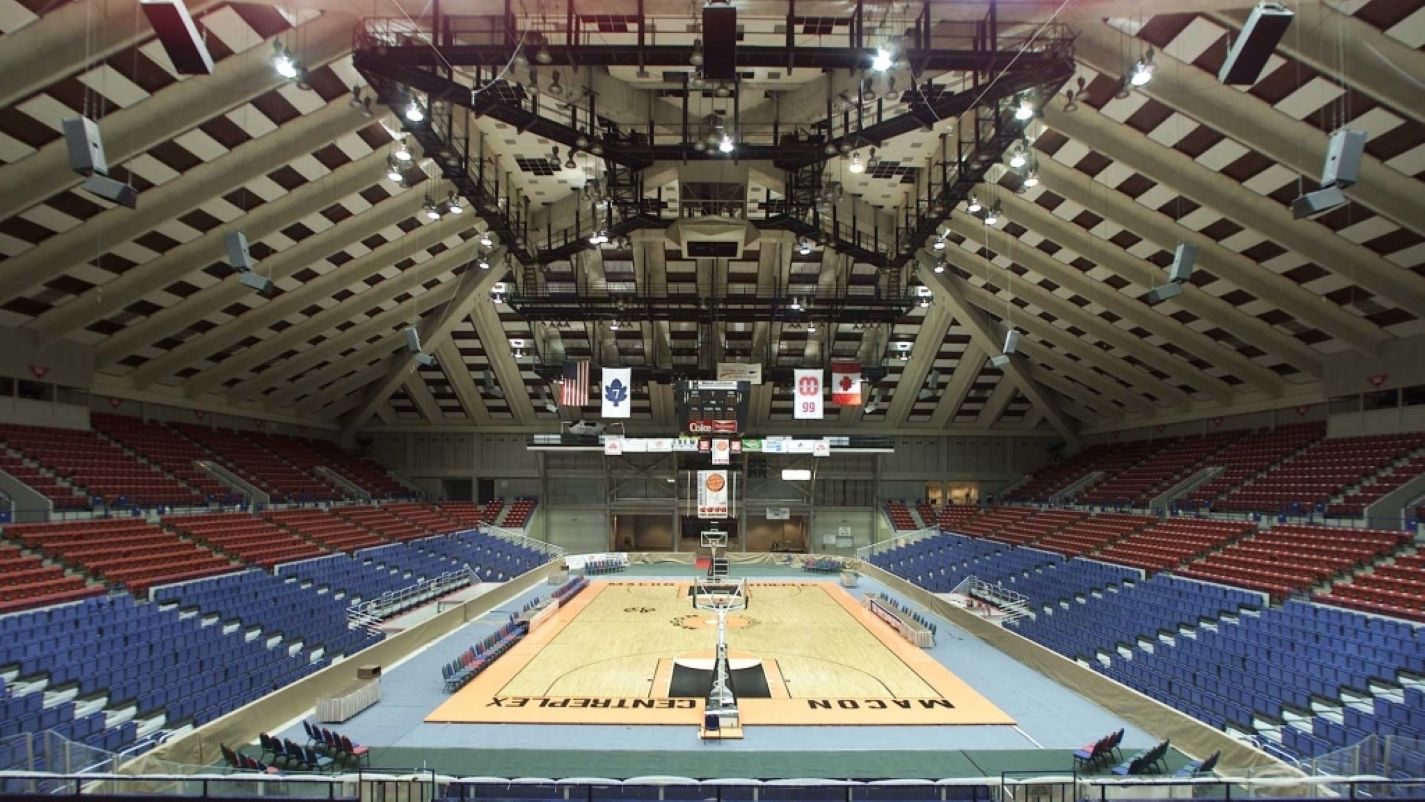
The present building in Macon is 58 years old and outdated

Macon Officials Explore New Arena Proposal
The mayor of Macon, Georgia has signaled support for building a new arena in a city of roughly 157,000 residents. Macon ranks as the fourth-largest city in the state, and local leadership believes updated sports and entertainment infrastructure is necessary to remain competitive.
The push centers on replacing the Macon Coliseum, a 58-year-old facility that currently houses the Macon Mayhem, a minor-league hockey team in the Southern Professional Hockey League. The SPHL operates independently, with no direct affiliation to the National Hockey League. While the Coliseum has served the city for decades, officials describe the building as outdated and no longer meeting modern event standards.
Early Planning, No Price Tag Yet
Mayor Lester Miller and the Bibb County Commission have hired Barton Malow Builders to begin early-stage planning for a potential new arena. The project remains in its exploratory phase.
“So basically over the next several months we’ll get some architectural drawings,” Miller said. “We’ll get some rough figures sometime around January, and by the springtime we’ll have the final numbers to bring before commission to vote on.”
At this stage, there is no official cost estimate, no financing plan, and no proposed site publicly identified. What exists is a concept and a belief that a new building could elevate Macon’s standing in Georgia’s event marketplace.
Staying Competitive in a Crowded Market
Mayor Miller framed the proposal as a necessity rather than a luxury. He pointed to other Georgia cities that have recently invested in new arenas.
“We have to stay ahead of the game,” Miller said. “By game, I mean the competition amongst all the other places in Georgia that people have an opportunity to go to. Savannah has a new arena, Augusta has one, Athens has one. Macon-Bibb County has to stay competitive.”
The argument follows a familiar pattern. Cities fear being bypassed for concerts, conventions, and touring events if their facilities fall behind. A new arena, proponents argue, keeps Macon on the list when promoters plan regional stops.
Tourism Promises and Economic Claims
Miller has emphasized tourism as a primary benefit. He argues that visitors drawn to events would spend money locally, generating revenue that could support public services.
According to the mayor, those dollars would “directly benefit citizens through services, better schools, jobs, and lower taxes.”
That claim raises questions. While arenas can generate activity, minor-league sports historically do not create large numbers of high-paying jobs. Most arena employment consists of part-time, per-event work with limited wages and no long-term security.
The Reality of Minor-League Economics
The Macon Mayhem draw a loyal local audience, but they are not a regional tourism driver. Few fans travel significant distances to attend SPHL games. That reality complicates projections built on visitor spending.
Construction jobs would be temporary. Arena staffing would largely be per diem. The long-term economic return remains uncertain, particularly without a major-league tenant or guaranteed slate of high-profile events.
A Notion, Not a Decision
For now, the Macon arena proposal remains an idea rather than a commitment. No cost, no funding source, and no public vote.
What exists is a familiar civic debate. Build to compete, or risk falling behind. Whether taxpayers will ultimately be asked to fund that ambition remains the unanswered question.
Evan Weiner’s books are available at iTunes – https://books.apple.com/us/author/evan-weiner/id595575191
Evan can be reached at evan_weiner@hotmail.com