
Fashion
Luxury returns to its senses following recent excesses: Luxurynsight study

Published
October 22, 2025
Has luxury finally come back down to earth? That’s the suggestion from a study conducted by Luxurynsight and LY Watch (Heuritech) for the first half of 2025. Spanning more than 100 brands and over 10,000 activations, the analysis highlights that luxury is facing its first global slowdown in several years, amid a tougher economic backdrop, the merry-go-round of creative directors, and the rise of new technologies.
The luxury personal goods market contracted by 1% in 2024, to 364 billion euros, under pressure from a weaker macroeconomic environment, new US tariff policies, and more cautious consumer spending. This period has forced brands into a profound strategic reorientation, favouring quality over quantity, localisation over globalisation, and experience over product alone. Several major trends have emerged, sketching the contours of a sector in full transformation.
Ever more experiential flagships
Faced with a more selective clientele, luxury brands have deliberately reduced the volume of their activations by 2% year on year. The strategy now is to prioritise more targeted, deeper, higher-impact initiatives rather than broad global media operations. This quantitative pullback masks a qualitative step-up in activation that is more local and more experiential. The different luxury segments are aligning with this approach: Perfumes & Cosmetics (P&C) have become the engine of activity, accounting for 44% of all activations, ahead of Fashion & Leather Goods (32%), and Watches & Jewellery (24%).

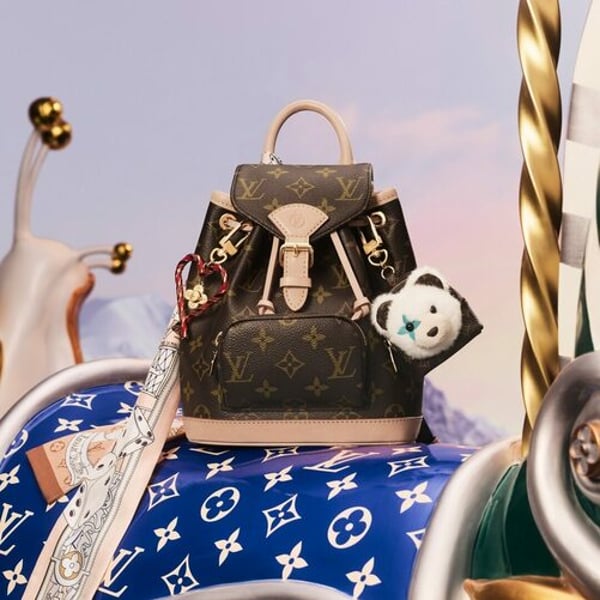
In response to slowing growth, the sector has invested heavily in experiential retail. Retail activations jumped by 48% compared with the first half of 2024, becoming a central pillar of brand strategy. Stores are being transformed into cultural destinations designed to create a lasting emotional bond with the customer. Notable examples include “The Louis” in Shanghai: a multi-sensory Louis Vuitton space integrating a café, exhibitions and VIP lounges; and the Dior Gold House in Bangkok. In China, the trend is towards fewer but larger, more ambitious flagships, capable of attracting both the general public and Very Important Clients (VICs), who are expected to be the main drivers of growth by 2027.
Stabilised prices at last?
To reinforce their relevance, brands are banking on activations tied to the local scene. The Fête de la Musique, for instance, served as a catalyst for numerous activations, enabling brands to associate authentically with local culture and reach a young, connected audience. This quest for cultural resonance is also reflected in participation at events such as Milan Design Week, where Louis Vuitton and The Row launched tableware collections. This strategy extends the brand universe from the catwalk to the living space, reaching new affluent audiences and enhancing cultural relevance.

Generally speaking, pressure on purchasing power may signal the end of the sustained rise in luxury prices. According to Luxurynsight, the average price of bags and leather goods rose by just 1.2% year on year in the first half of 2025, a normalisation after the significant increases observed post-Covid. This strategy varies by region, with more marked increases in Japan (1.9%) to offset the weak yen. At the same time, there is a trend towards closer links between luxury fashion and jewellery, with brands extending their offering to more exclusive, higher-margin pieces. Dior, with its gem-set lipstick pendants, and Gucci, via its collaboration with Pomellato, aim to capture resilient demand from high-end customers who are less sensitive to economic downturns.
Cosmetics ride the technology wave
The Perfumes & Cosmetics segment, the only one to post growth, is leaning heavily on technology to stimulate demand. The personalised beauty market, projected to reach 44 billion euros in the 2026 financial year, has become a strategic priority. Brands are deploying generative AI, 3D, and data analytics to deliver ultra-personalised recommendations. L’Oréal’s partnership with NVIDIA to refine its Noli platform, and Estée Lauder’s collaboration with Google Cloud, illustrate this race for innovation. The aim is twofold: to meet consumer expectations and optimise acquisition costs, with a potential uplift in marketing ROI of 10% to 30% and a 5% to 15% increase in sales.

The turnover among creative directors has, for its part, contributed to renewed customer interest in the Fashion & Leather Goods sector. A strategy criticised by Jonathan Siboni, founder of Luxurynsight, last September. Despite this, in a competitive environment, brands are seeking to reintroduce novelty and cultural relevance, and to reconnect with generations Z and Alpha, who will account for over 50% of the 300 million new luxury consumers expected over the next five years.
Micro-trends and a record gold price
On the creative front, the Fashion & Leather Goods sector is leaning into micro-trends that reflect a desire for comfort, understated elegance and a connection to sporting or equestrian heritage. The Luxurynsight report highlights three key trends. Golfcore Chic: an aesthetic blending preppy and athletic codes (short-sleeved polo shirts, pleated skirts), which grew by 19% in Europe. Horse Girl Reclaiming : equestrian elegance combining heritage codes and modern comfort, with strong growth in equestrian boots in China (+9%). Finally, Summer at Lord’s: inspired by vintage cricket, synonymous with relaxed sophistication.
These trends illustrate a broader movement towards “soft luxury” or “quiet luxury”, where perceived value lies in quality, authenticity, and lifestyle versatility rather than in ostentatious logos.

Finally, the Watches & Jewellery sector had to contend with the impact of the 39% US tariffs on Swiss imports and, for jewellery, the combined pressure of a strong Swiss franc and record gold prices. These factors led to a generalised, albeit varied, price increase in the US in the second quarter of 2025, ranging from 2.5% for some players to 6.9% for others. Haute Joaillerie, meanwhile, is proving resilient, benefiting from sustained demand from the wealthiest customers for unique, handcrafted pieces. According to a BCG & Altagamma report, “top-tier” customers (0.1% of consumers) generate 23% of total luxury sales. Capturing this clientele has therefore become a strategic imperative to stabilise revenues, which explains the launch of exceptional pieces and investments in flagships dedicated to jewellery.
This article is an automatic translation.
Click here to read the original article.
Copyright © 2025 FashionNetwork.com All rights reserved.


Cruise Passenger Death Ruled Homicide, Family Says He Was Served 33 Drinks

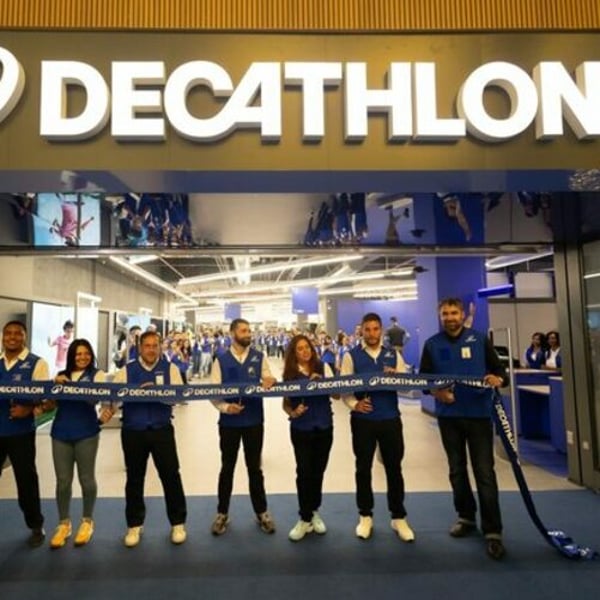
Decathlon debuts in El Salvador

How much sense would a David Jolly-Gwen Graham ticket make for Governor?
-

 Politics8 years ago
Congress rolls out ‘Better Deal,’ new economic agenda
-
Entertainment8 years ago
New Season 8 Walking Dead trailer flashes forward in time
-
Politics8 years ago
Poll: Virginia governor’s race in dead heat
-
Entertainment8 years ago
The final 6 ‘Game of Thrones’ episodes might feel like a full season
-
Entertainment8 years ago
Meet Superman’s grandfather in new trailer for Krypton
-
Politics8 years ago
Illinois’ financial crisis could bring the state to a halt
-
Business8 years ago
6 Stunning new co-working spaces around the globe
-
Tech8 years ago
Hulu hires Google marketing veteran Kelly Campbell as CMO