
Politics
Legislature passes ‘HAVEN Act’ to broaden protections for domestic, dating violence victims
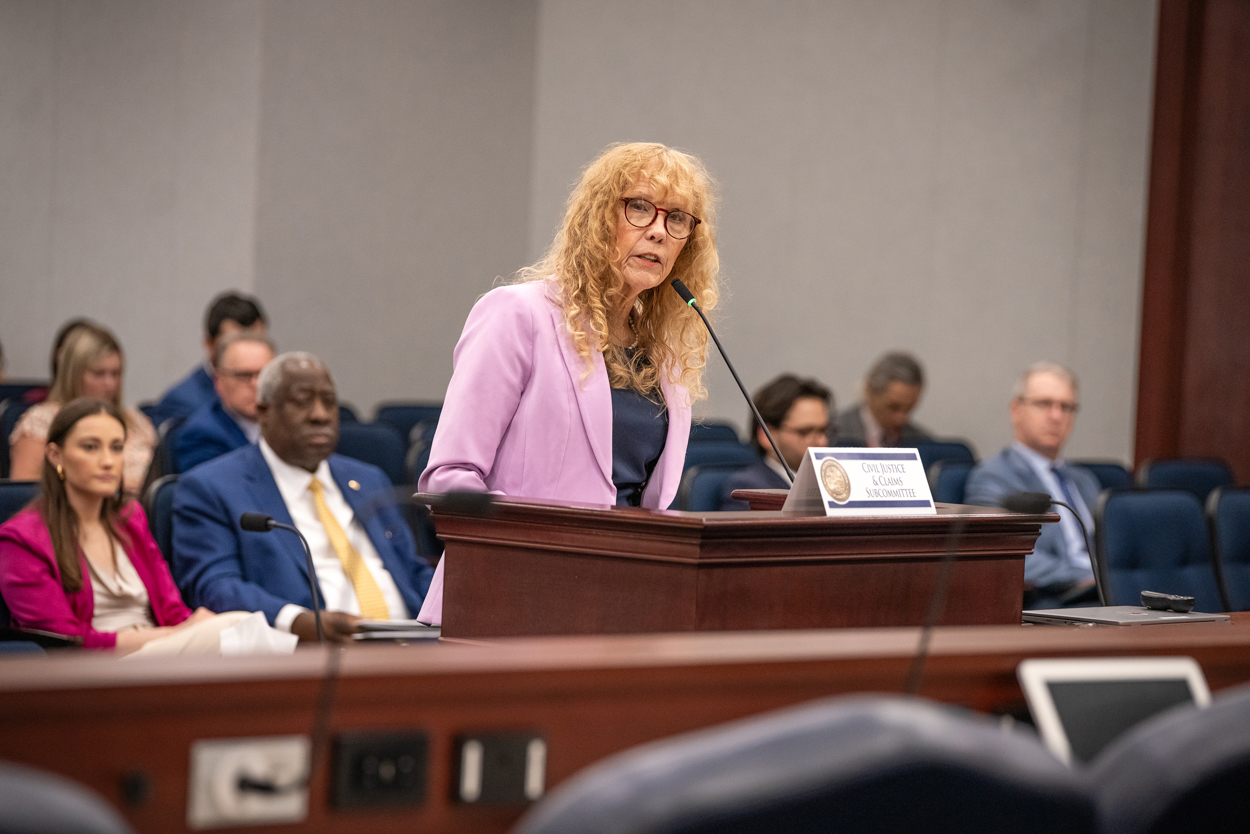
Victims of domestic and dating violence could soon have new tools to stop their cycles of abuse under legislation that will next go to Gov. Ron DeSantis’ desk.
House members voted unanimously for a pair of bills (SB 296, SB 298) that would extend safeguards currently available to domestic violence victims to victims of dating violence and begin the development of a new alert system to notify police of escalating incidents.
The Senate approved the bills, sponsored by Senate Democratic Leader Lori Berman, in late January.
On Tuesday, their House sponsors — Republican Reps. Peggy Gossett-Seidman of Highland Beach and Rachel Plakon of Lake Mary — ushered them to final, unanimous passage.
Ahead of the vote, Gossett-Seidman referenced a related bill (HB 277) that passed Monday, sponsored by Lake Worth Beach Democratic Rep. Debra Tendrich, which dealt primarily with penalties for abusers and aid for survivors.
“This bill addresses prevention,” Gossett-Seidman said of SB 296 and its companion. “In many cases, calling 911 is not safe … because the abuser is nearby, the victim’s restrained or children are present.”
SB 296, dubbed the “Helping Abuse Victims Escape Now (HAVEN) Act,” directs the state to study the feasibility of a statewide system that could surreptitiously alert police of a dangerous abuse situation by using a smartphone’s Wi-Fi and GPS.
Under the proposed program, victims would receive an individualized phone number they could call when in fear for their lives, rather than the standard 911 number that can sometimes take longer to process.
Gossett-Seidman spoke of an incident last year in Volusia County, where the tech SB 296 contemplates could have helped. A woman, while attempting to escape her abuser, called 911 and pretended to order pizza.
The dispatcher realized she was in trouble and sent help.

“This provides immediate identification on the name, GPS, text messages and incorporates a code word or letter that signals danger,” Gossett-Seidman said of the proposed system. “It can also transmit photos and videos that could be placed into evidence.”
SB 296 also expands state protections for victims of dating violence by formally defining the term in statute and extending existing domestic violence safeguards to cover those victims.
Further, the measure allows dating violence victims to participate in Florida’s Address Confidentiality Program, shielding their locations from public records and expanding assistance through designated agencies.
SB 298, meanwhile, helps to effectuate that last provision by expanding public records exemptions under the confidentiality program to exempt participating dating violence victims’ names, addresses, telephone numbers, Social Security numbers, voter registration records and voting records.
The protections would apply retroactively and remain in place until 2031, unless the Legislature renews them.
“For victims of domestic and dating violence, the most dangerous moment is often when they try to ask for help. In those moments, a phone call may not be possible. Speaking out loud might not be safe. Seconds matter, and silence can be deadly,” Plakon said. “This bill recognizes that reality. It’s careful, responsible and has the potential to save lives.”
Plakon thanked the domestic abuse survivors who spoke in favor of the legislation this year, including Tendrich, who Plakon said “courageously shared their stories.”
Gossett-Seidman also acknowledged Berman for her work on SB 296 and SB 298. The measures are the last two bills that Berman — who in 2023 passed Greyson’s Law to safeguard children at risk of parental harm — is expected to pass before she reaches term limits after 16 years in the Legislature.
Berman attended the House vote Tuesday alongside several of her Senate colleagues, including Republican Sens. Don Gaetz and Gayle Harrell.
According to the Center for Relationship Abuse Awareness, 75% of domestic violence-related homicides occur after separation, meaning victims are most at risk of severe harm after they leave their abuser.
“We need to make it safer for them,” Berman said on the Senate floor Jan. 29.
Berman briefly related how, when she began work on the legislation, she sought support and feedback from law enforcement. One of the first things she heard was that there is a need for an improved alert system like the one SB 296 contemplates.
“This is a new idea that we are putting together, just like we do with schools, where we have an emergency panic button,” she said. “Florida would be the first in the nation to put this system into place.”