
Politics
Lawmakers, supporters promote obesity treatment legislation at Capitol
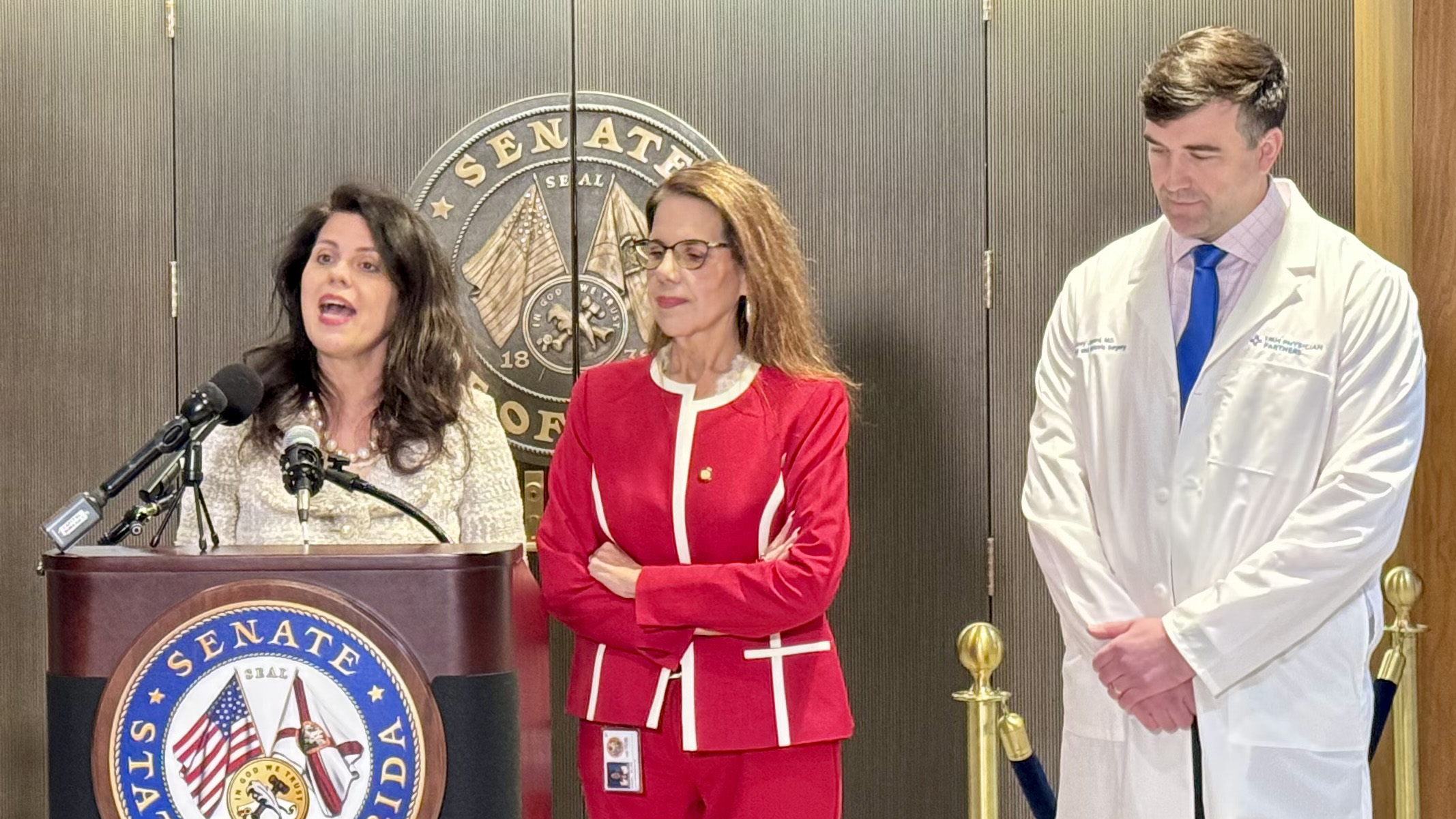
Sen. Ana Maria Rodriguez and Rep. Susan L. Valdés were joined Thursday by Dr. Joey Jarrard of Tallahassee Memorial Healthcare at a news conference to promote legislation they say modernizes how Florida treats obesity among state employees and their families.
Rodriguez highlighted Senate Bill 1070 to establish a uniform, multi-year obesity management program within the State Group Insurance system.
“SB 1070 is about treating obesity for what it is — a chronic disease — and ensuring the state has a program that is consistent, accountable, and grounded in evidence,” Rodriguez said. “This legislation builds on what Florida is already doing and improves it so the state can deliver real, lasting health outcomes.”
The bill moves Florida away from a limited pilot structure and replaces it with a standardized framework that applies across state group health plans. It also strengthens oversight by requiring annual reporting to the Legislature on outcomes, utilization, and potential cost savings.
Rodriguez said the reporting requirement gives lawmakers better visibility into whether the program is delivering results.
“That means better data, better decision-making, and better stewardship of taxpayer dollars,” she said.
Valdés, the primary co-sponsor of the House companion measure, said current approaches lack consistency and clear clinical expectations.
“One of the biggest problems today is that standards vary and accountability is unclear,” she said. “This legislation creates one evidence-based wellness program with defined clinical requirements, so participants receive appropriate care.”
Valdés noted that participation in the existing structure has reached capacity, while costs associated with obesity-related conditions, such as diabetes, continue to strain the system. She said the bill would allow the state to better evaluate long-term health outcomes and workforce impacts.
Rodriguez and Valdés also shared personal experiences with obesity treatment and described how it improved their overall health and well-being.

Jarrard said the proposal aligns public policy with established medical practice.
“Obesity is not a short-term condition, and it is not simply about personal choice,” Jarrard said. “It is a complex, chronic disease that requires sustained, clinically appropriate treatment. Ending care after a year increases the risk of weight regain and worsening health outcomes.”
Jarrard said SB 1070’s requirement for intensive lifestyle and behavioral therapy, paired with FDA-approved treatments when clinically appropriate, improves the likelihood of long-term success.
The legislation also mandates annual reporting on health outcomes and utilization trends, a provision supporters say ensures transparency for both patients and policymakers.
Rodriguez closed by emphasizing that the bill refines and strengthens an existing approach rather than creating a new one.
“This legislation takes what we’ve learned and turns it into a program that works over time,” she said. “It’s about consistency, accountability, and treating a serious health condition with the seriousness it deserves.”