
Politics
Land-use preemption bill clears penultimate House Committee hurdle, with softer pushback than in first stop
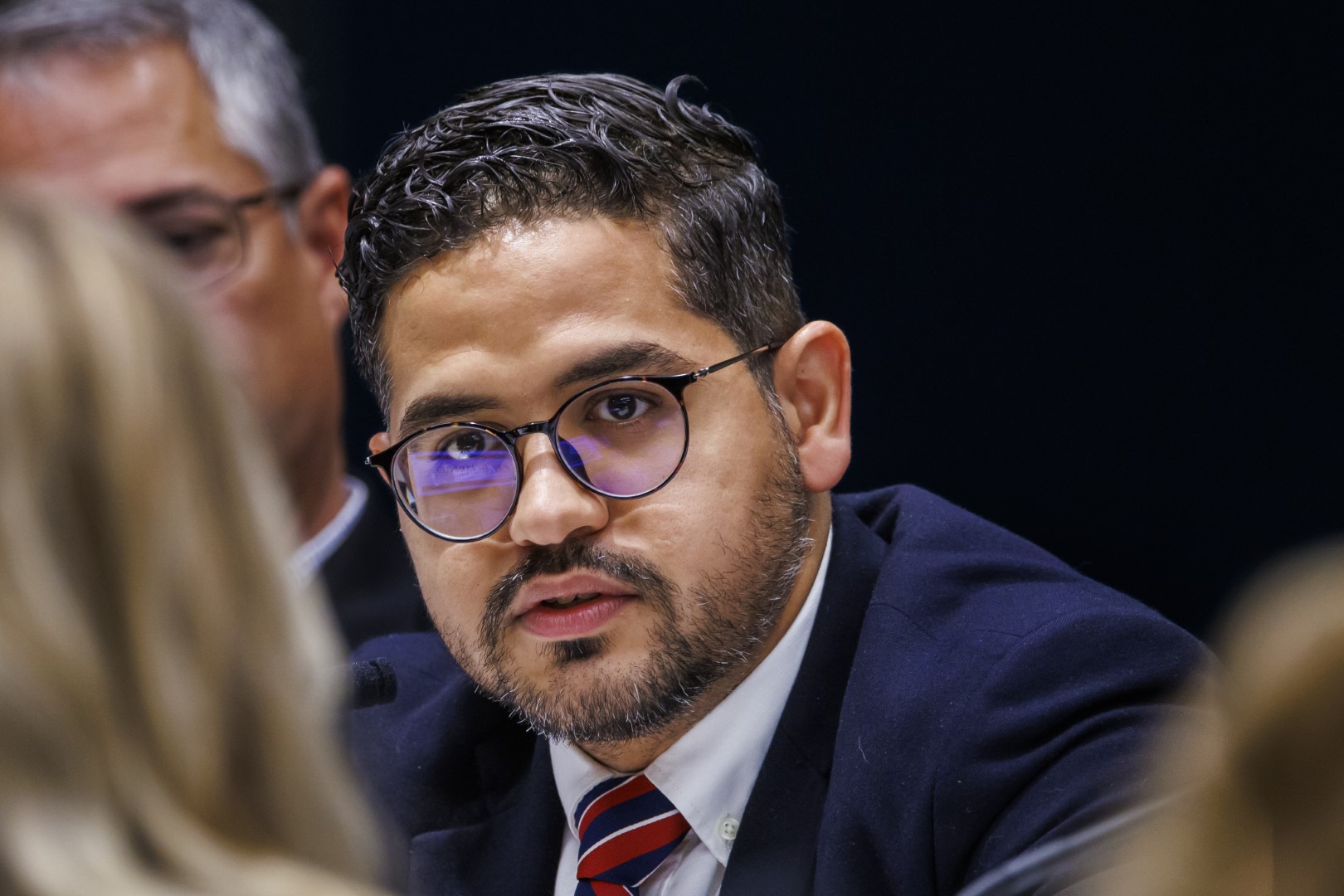
A sweeping land-use bill to curb local government authority, rein in development fees and order a study on eliminating environmental protection boundaries just moved one step closer to the House floor.
Members of the Housing, Agriculture and Tourism Subcommittee voted 11-4 for the measure (HB 399), which encountered less resistance than it faced during its first stop in the chamber last month.
If passed, the bill would do “four basic things,” said its sponsor, Hialeah Republican Rep. David Borrero.
First, it would require local governments to clearly define compatibility factors in their comprehensive plans and land development regulations. Developers, Borrero said, “need that predictability.”
Second, the bill would require costs associated with project review work to be “reasonably related” to the review work, not a percentage of the project’s cost or expected value.
Those two proposed changes drew no pushback from the dais or public; but the next two did.
The bill’s third provision calls for a state study on the impacts of removing urban development boundaries (UDB) or similar development limits like the one in Borrero’s home county of Miami-Dade, including the effects on housing costs, growth control and environmental protection.
Fourth, HB 399 would further preempt local governments by requiring only a simple majority vote to approve land-use changes, rather than the supermajority standards some have in place today.
Borrero framed his bill as an affordable housing proposal, arguing that limits localities have placed on where homebuilders can develop have contributed to Florida’s housing and broader affordability troubles, particularly in large, built-out counties like Miami-Dade.
Another measure he’s sponsoring to ease residential development on contaminated land, like former golf courses and industrial sites, received its first committee OK hours before HB 399 advanced Thursday.

“The reason why it’s so expensive in many of these communities is because we have tightly restricted the areas where you can build,” he said. “You’re creating a housing crisis because there’s no more land to build on. The cost of vertical development is two to three times more expensive than building out horizontally.”
As for lowering the bar for local government votes on land-use changes, Borrero said it “actually empowers” public officials to “make good decisions.”
“Can you imagine if it required a two-thirds vote or a unanimous vote to get anything done here in (the Legislature) or even for a local government to do it for that matter? They wouldn’t be able to solve their problems,” he said, adding that the bill would still leave some safeguards intact, like the Mayor’s veto in Miami-Dade.
Representatives of the Florida Homebuilders Association, Florida Chamber of Commerce, Americans for Prosperity, Associated Industries of Florida, AARP and Highland Homes signaled support for the bill.
Miami-Dade County, 1000 Friends of Florida and Florida for All oppose it.
Mark Jeffries, Legislative Administrator for Orange County, spoke against the bill, noting that in 2024, 73% of voters in the Central Florida locality approved a charter amendment requiring a majority-plus-one vote to remove property from its rural boundary or increase density and intensity in that area.
St. Petersburg Democratic Rep. Lindsay Cross, who delivered the sharpest criticism of HB 399 Thursday, stressed the importance of UDBs and urged Borrero to work more with opponents of the bill to address their concerns.
UDBs, like the one in Miami-Dade, “are specifically looking at protecting agricultural areas in the Everglades, protecting fresh drinking water sources,” she said. “And the continued encroachment into that area with industry is really damaging not only for our drinking water but also the literally billions of dollars that the state and federal government have invested in that restoration and protection.”
In November, Gov. Ron DeSantis’ administration announced that since he took office in 2019, the state has spent nearly $8 billion on Everglades restoration and water quality.
Democratic Reps. Christine Hunschofsky of Parkland and Felicia Robinson of Miami Gardens echoed Cross’ assessment.
“I do not like when we’re also up here deciding to override what has been approved in county charter regarding the number of votes they need to make something happen,” said Hunschofsky, a former Mayor.
Islamorada Republican Rep. Jim Mooney said he supports HB 399 as a whole, but called the two sections at issue “a little rough around the edges.”
Borrero vowed to continue working with his House colleagues and “other stakeholders who are concerned about this to amend it further if needed.”
HB 399 will next go to the House State Affairs Committee, its last stop before a House vote. Its upper-chamber companion (SB 208), which does not contain the land-use restraints or environmental boundary provisions, has advanced through two of three committee stops with uniform support.