Kimberly-Clark is laying down $40 billion to buy Kenvue in a massive deal that has puzzled some investors as the Tylenol maker struggles with weak sales, lawsuits and White House attacks linking its painkiller to autism.
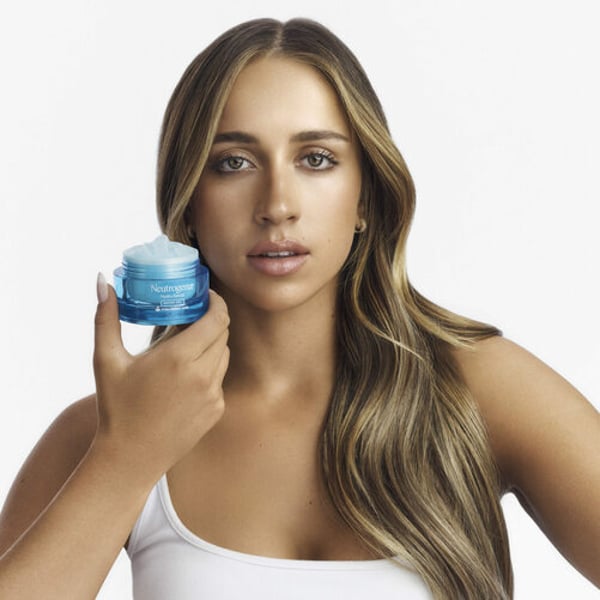
Neutrogena – Courtesy
Shares of Kimberly-Clark dropped sharply after the Monday announcement as stockholders scrutinized the 46% premium being paid for the former Johnson & Johnson unit that has had a turbulent year: Kenvue ousted its CEO in July and has been under fire from President Donald Trump over unproven claims that Tylenol use during pregnancy can cause autism in children.
Kenvue shares, which had dropped sharply since Trump’s comments, jumped as much as 19.6% on Monday. Many investors have been awaiting a sale of all or parts of the company for months, following activist pressure.
Kimberly-Clark had admired Kenvue for years, going back to when it was still part of J&J, and viewed it as a target, but deal talks between the companies started after Kenvue announced it was reviewing strategic alternatives and the departure of its CEO over the summer, sources familiar with the matter told Reuters.
Jay Woods, chief market strategist at Freedom Capital Markets, said the market reaction suggests some investors believe Kimberly-Clark “may be buying damaged goods”.
Despite the concerns, Kimberly-Clark forecast $2.1 billion in annual cost savings from the deal, with the addition of Kenvue’s vast portfolio of brands from Listerine mouth wash to skincare names like Aveeno and Neutrogena expected to bring in annual revenues of roughly $32 billion for the combined company.
Both companies sit side by side on store shelves, so the scale and distribution logic make sense even if the Tylenol overhang remains a shadow any buyer would rather avoid, said Kimberly Forrest, chief investment officer at Bokeh Capital Partners.
“Kimberly-Clark will take on potential litigation risk for the Tylenol brand… This is hard to quantify,” said TD Cowen analyst Robert Moskow.
There are concerns around Kenvue’s potential legal exposure to hundreds of private lawsuits alleging the company hid supposed links between Tylenol and autism or attention deficit hyperactivity disorder in children.
While U.S. Health and Human Services Secretary Robert F. Kennedy Jr. recently said there is no conclusive evidence of such a link, he called existing data “very suggestive.”
U.S. sales of Tylenol fell 11% between September 20 and October 4 after the Trump administration’s remarks, BNP Paribas analyst Navann Ty said in a note last month.
Kenvue is also battling litigation tied to its talc-based baby powder products.
“Most investors expected Kenvue to sell off select brands, not the entire company, given the Tylenol and talc overhangs. But Kimberly-Clark likely saw long-term value in a strong brand portfolio trading at a steep discount,” said James Harlow, senior vice president at Novare Capital Management.
Kenvue investors cheered the deal.
One long-term investor who has spoken with the board and management over the last months called the deal “awesome”, while some others said the price was not as good as they would have hoped for two months ago, before the company came under fire from the White House.
“They did have a long slog ahead of them … I think they must have looked at the situation and … had the opportunity to sell the whole company. That’s the most simple of transactions,” Harlow said, adding that selling off individual brands would have taken a long time.
Kenvue has long struggled with weakness in its core businesses, especially the skin health and beauty segment – a challenge activist investors have previously flagged. The company said on Monday third-quarter sales at the skin health segment fell 3.2% to $1.04 billion.
“One of our challenges at Kenvue right now is we’re living in between, which is no place to live – in the murky middle,” said Kirk Perry, who was named permanent CEO of Kenvue earlier in the day.
Kimberly-Clark is also navigating a consumer goods environment increasingly fraught with a more value-seeking shopper, forcing companies, including sector bellwether Procter & Gamble to invest in smaller pack sizes, and trim underperforming business units.
It sold a majority stake in its international tissue business to Brazilian pulp maker Suzano, as part of a restructuring, proceeds from which are expected to help the Kenvue buyout, the company said on Monday.
“Kimberly-Clark has been discussing its ‘transformation’ for some time now, but do think this feels like very early days to be nearly doubling the size of the company,” Barclays analysts said.
Kenvue’s shareholders will receive $3.50 per share and 0.15 Kimberly-Clark shares for each Kenvue share held. That implies an equity value of $40.32 billion, according to Reuters calculations.
The deal, expected to close in the second half of 2026, will be financed through a mix of cash and debt, with committed funding from JPMorgan Chase Bank.
Either party may be required to pay a $1.12 billion termination fee in cash if the deal falls through, according to a regulatory filing. Upon closing, Kimberly-Clark’s CEO Mike Hsu will take over as the top boss and chairman of the combined company.