
Politics
Joe Gruters’ plan to shrink Citizens Insurance advances through second Senate Committee
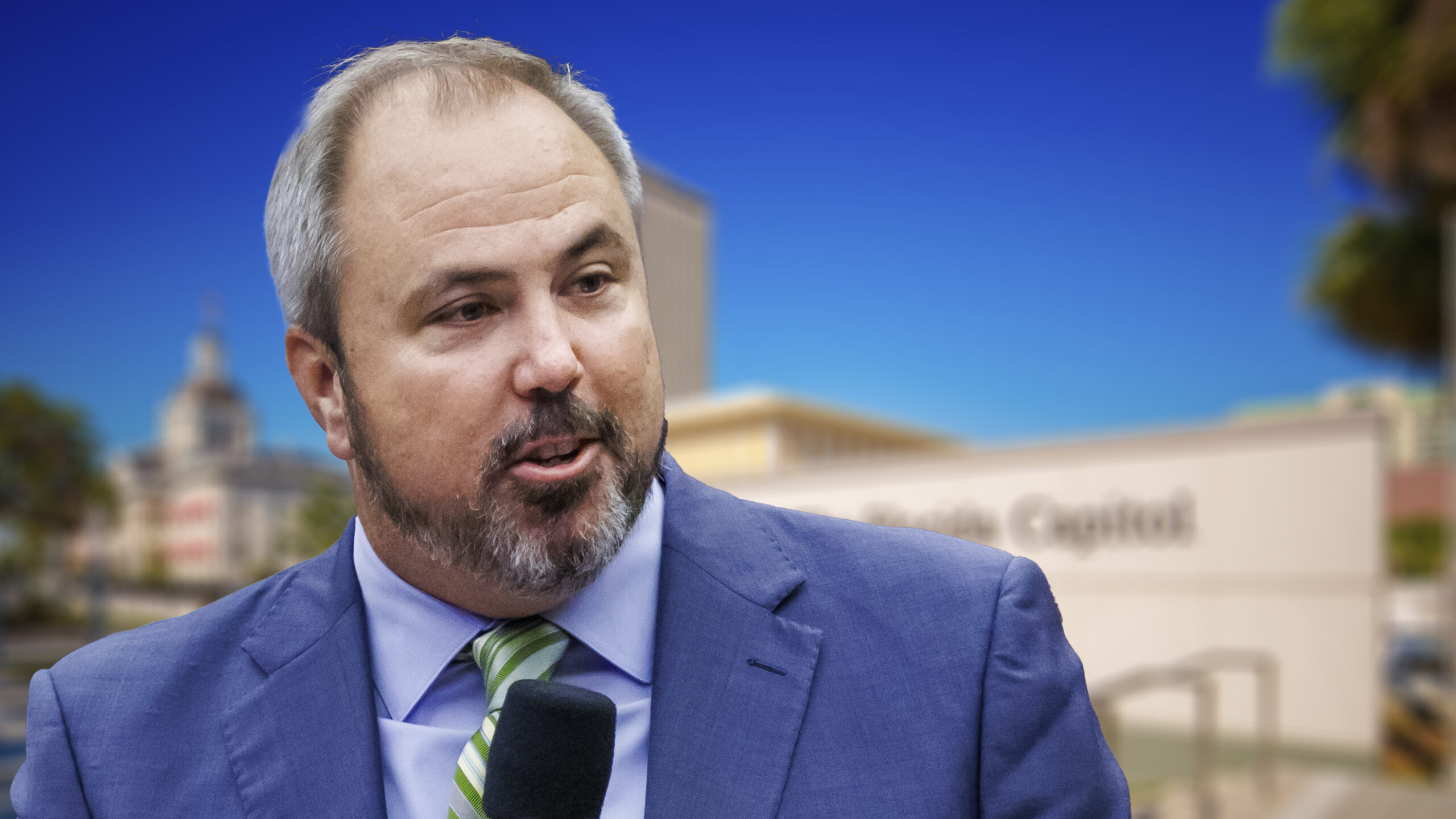
A proposal by Sarasota Republican Sen. Joe Gruters to scale back Citizens Property Insurance cleared its second Senate Committee, marking another step forward in a longtime effort to depopulate the state-sponsored Citizens Property Insurance Corp. and push customers into private markets.
The Appropriations Committee on Agriculture, Environment, and General Government voted to advance SB 1028 on Wednesday. The legislation targets billions of dollars in commercial risk, aiming to steer customers to private insurers to protect Florida taxpayers from potential assessments following a catastrophic storm or other major disasters.
If approved, the bill would require Citizens to establish a dedicated commercial lines clearinghouse by January 2027. Under the proposed rules, commercial property owners would be ineligible for Citizens coverage if they receive a private market offer that is less than 20% higher than their current state-backed rate. If a policyholder receives a private offer through the clearinghouse, but chooses to remain with Citizens, they would be forced to pay whichever premium is higher.
While the Committee reported the bill favorably, the hearing featured sharp warnings from Insurance Commissioner Michael Yaworski. He supports the goal to depopulate Citizens, but he cautioned that the plan removes traditional state protections for business owners. He criticized the bill for steering consumers toward “surplus lines” companies, which he said are private insurers that operate with far less state oversight than standard insurers.
“Particularly at the macro level, I think it’s important to just keep in mind that this is really inverting the traditional way that insurance is procured by people in the state of Florida,” Yaworski said.
He noted that surplus lines companies are not required to disclose new premiums or terms until just one day before a policy renews.
“That could be a significant challenge for a number of consumers,” he said.
Yaworski also raised concerns regarding transparency, stating that the surplus lines market has “almost no capping of fees whatsoever.” He warned of a structure involving “fees and commissions on top of fees and commissions” throughout the structure of the bill.
Gruters defended the legislation, stating that the fees in the bill are meant to only cover necessary costs and that he is willing to clean up language to address the concern. He also noted that 40% of Florida’s commercial insurance market is already written by surplus lines companies. He said the bill is a necessary continuation of recent state reforms intended to address concern about an estimated $25 billion of exposed risk on behalf of the state.
“We’ve tried to first, do no harm,” Gruters said. “We’re trying to make sure nobody is displaced throughout the process. But we want to make sure that there is a clearinghouse, just like on the personal lines that are set up for the commercial side, that doesn’t cost the state any money. That will hopefully bring this capital in and reduce rates for the consumer. That’s the ultimate goal.”

SB 1028 now heads to its third and final Senate Committee at the Committee on Fiscal Policy. Miami Republican Rep. Mike Redondo filed a similar bill in the House, HB 943, cleared its first of three House Committees with a 15 – 0 vote on Tuesday. If approved by the Legislature and signed by the Governor, the bill would go into effect immediately upon becoming law.