
Politics
Jimmy Patronis says ChatGPT should be held accountable if tech helped FSU shooter
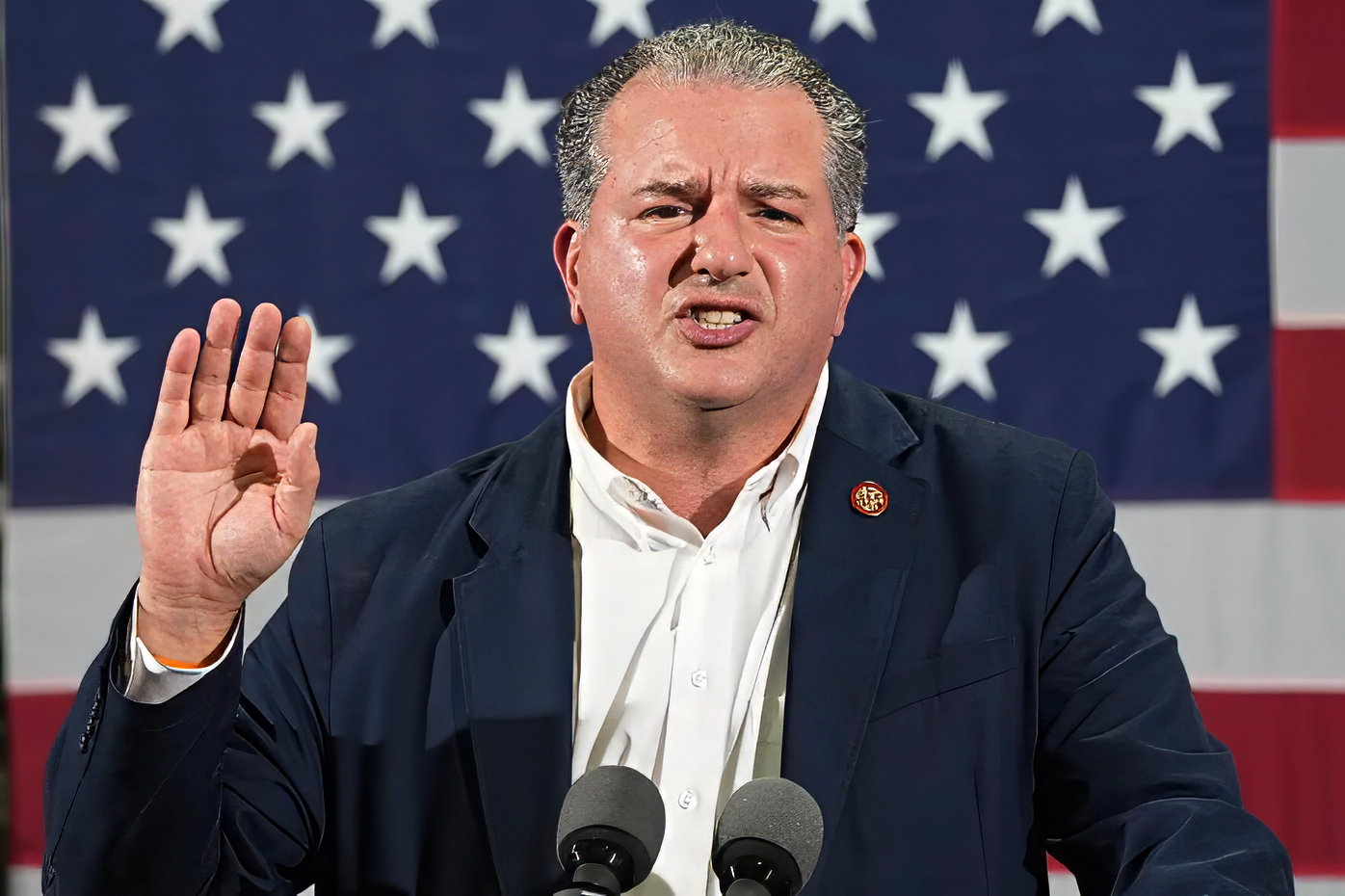
After reports that a suspected Florida State University mass shooter heavily used ChatGPT before the attack, U.S. Rep. Jimmy Patronis wants to nix tech companies’ protections from accountability.
“For years, Big Tech has been allowed to profit from dangerous content with zero accountability, while victims are left with nowhere to turn,” the Fort Walton Beach Republican said.
He renewed a call to alter federal law after attorneys revealed the suspect in last year’s high-profile campus shooting used an AI chatbot extensively. A grand jury last year indicted Phoenix Ikner for killing two people and wounding six others in an April 17 shooting on FSU’s Tallahassee campus.
Attorneys Ryan Hobbs and Dean LeBoeuf, representing the family of shooting victim Robert Morales, told WCTV that evidence points to Ikner using ChatGPT as he planned his alleged attack.
“We have been advised that the shooter was in constant communication with ChatGPT leading up to the shooting. We also have reason to believe that ChatGPT may have advised the shooter how to commit these heinous crimes,” the attorneys said in a statement.
“We will therefore file suit against ChatGPT, and its ownership structure, very soon, and will seek to hold them accountable for the untimely and senseless death of our client, Mr. Morales.”
But due to the newness in the availability of generative AI, it remains unclear whether courts can hold tech companies liable if their technology contributes to a violent crime. The core question may center around whether social media companies developed or created the content.
Patronis filed legislation in January to repeal Section 230, a controversial portion of the Communications Decency Act that shields companies from lawsuits related to criminal activity related to using their social media tools to communicate. Internet companies have long argued they should not be held responsible for messages written or shared on online platforms.
Patronis fears the same protections for tech companies whose algorithms push hurtful content on children will make it difficult to make the case that ChatGPT bears legal responsibility for any role in the FSU shooting.
“The reality is that plaintiffs face an uphill battle, and as long as Section 230 stands, they’re denied the justice they deserve,” he said.

There is some legal precedent for companies being deemed negligent in deaths. Notably, a jury awarded a California woman $6 million in damages from Meta and YouTube after she claimed in a lawsuit that use of those platforms harmed her mental health, as reported by NPR.
But the responsibility of tech companies when generative AI is used to commit a crime remains a legal gray area, Patronis’ Office said.
OpenAI, the company behind ChatGPT, notably said officials there informed law enforcement of Ikner’s use of the tools.
“Our hearts go out to everyone affected by this devastating tragedy. After learning of the incident in late April 2025, we identified a ChatGPT account believed to be associated with the suspect, proactively shared this information with law enforcement and cooperated with authorities,” a spokesperson said in an email to Florida Politics.
“We build ChatGPT to understand people’s intent and respond in a safe and appropriate way, and we continue improving our technology.”
Patronis’ Office said the case shows once more that a law drafted in 1996 simply did not envision the modern technology and communication landscape. Congress last touched the section of law decades before generative AI became broadly available to the public.
The Congressman’s Promoting Responsible Online Technology and Ensuring Consumer Trust (PROTECT) Act (HR 7045) would completely repeal the protections.
“What happened at Florida State University was a tragedy that shook our entire state. As a father, I can’t stop thinking about what those victims and their families are going through. My prayers are with every single person impacted by this heinous act,” Patronis said.
“Now we’re learning the shooter may have interacted with ChatGPT before carrying this out. That should raise serious red flags and is exactly why I’ve been fighting to repeal Section 230.”