
Politics
Jim Boyd expects steady 2026 Legislative Session, with property taxes looming large

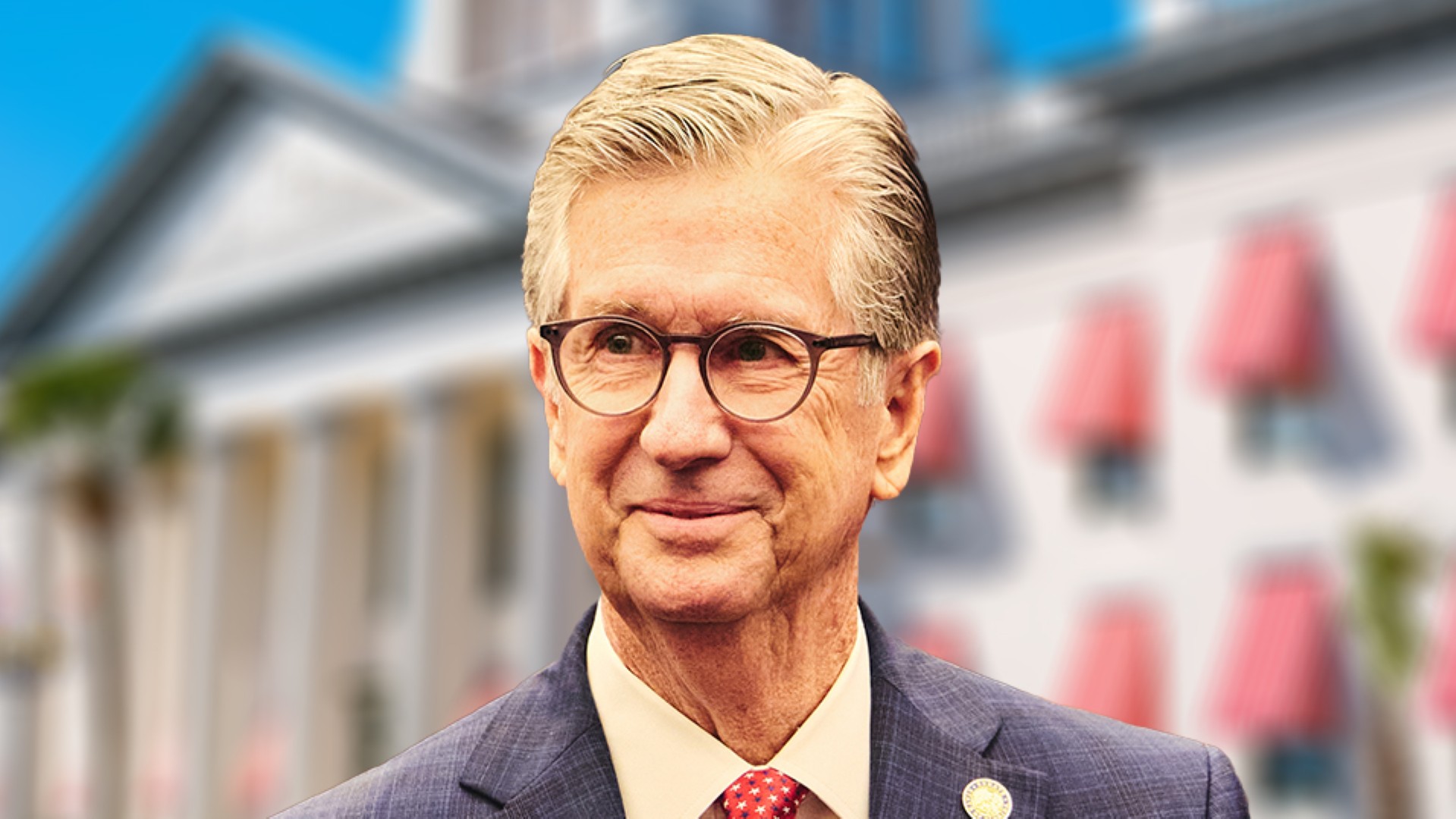
As lawmakers gavel in this week to begin the 2026 Legislative Session, Sen. Jim Boyd says the coming weeks in Tallahassee are likely to be defined by a careful approach to budgeting, targeted fixes to existing laws and an intensifying debate over how Florida funds local government.
Boyd, a Republican who represents Manatee County and parts of Hillsborough County, described the Session as one that should be comparatively steady after recent Sessions marked by sharper conflicts between the Legislature and Gov. Ron DeSantis. Still, he said lawmakers are already preparing for extensive discussions around property taxes, an issue he expects to dominate early debate.
“I think it’ll be a fairly benign Legislative Session this year,” Boyd said. “Sadly, we’ve had some disagreements with the House and the Senate, and the Governor and the House. My goal and overarching desire is for the three of our branches to work well together to do what’s good for our communities.”
“I don’t think there’s anything huge that will come out of this Session in terms of revolutionary legislation or change,” he added. “Property taxes are probably the issue that will be at the forefront of discussion.”
Boyd said property taxes have been a major topic of conversation for months as residents continue to grapple with rising housing costs. While calls for relief have grown louder, he said a full repeal of homestead property taxes is unrealistic without a replacement funding source.
“I think it’s important to talk about property taxes, that’s been a huge topic of discussion for the past six months or so,” Boyd said. “My gut feeling is there’s no way we’re going to be able to totally eliminate homestead property taxes. That would be nice, but there’s so much dependence upon those funds at the local level that we’ll have to figure out how to address those needs if the property taxes were not there to support them.”
Even so, Boyd said he expects lawmakers to advance some form of proposal this year, potentially during a Special Session teased by DeSantis, that could ultimately go before voters in 2026. Any significant changes to property taxes would require a constitutional amendment.
“I do believe there’ll be a proposal that will come out of the Legislature that will go on the ballot in ’26,” Boyd said. “The voters will have a chance to decide.”
Alongside tax policy, Boyd said lawmakers are entering the session with a more cautious approach to spending. Florida’s fiscal position remains strong, he said, pointing to solid bond ratings, continued debt reduction and healthy reserves. But he warned that lawmakers are tightening their grip on discretionary spending as they finalize the state budget.
“This year, project money won’t be quite as plentiful as it has been in the past,” Boyd said. “We’re being very careful and judicious about spending, as we should be.”

That restraint will shape how legislators evaluate local funding requests from cities, counties and nonprofits across the state. Boyd said he has spent years prioritizing projects that local governments cannot easily fund on their own, particularly large infrastructure items tied to growth and storm resilience.
“I’m doing my best to continue to bring dollars back to our community that will make a difference,” Boyd said, while acknowledging that final decisions rest with legislative budget leaders balancing competing requests from 40 Senators and 120 House members.
Boyd has not introduced legislation this year, but said he is closely watching proposals that could have significant impacts on his district, including a bill from Sen. Nick DiCeglie (SB 840).
The bill would revise last year’s storm recovery law, SB 180, which limited local governments’ ability to delay rebuilding after hurricanes but also created unintended consequences for counties and cities, including Manatee, seeking to make broader planning or environmental policy changes. Rep. Alex Andrade is sponsoring the companion bill (HB 1465) in the House.
Boyd defended the original intent of SB 180, saying it was driven by constituent complaints after storms, when residents struggled to obtain basic permits needed to make their homes livable again.
“That has been a topic of discussion,” Boyd said. “The reason for SB 180 was because governments in various parts of the state, our area included, were making it very hard for people to get back in their homes after a storm by dragging out permits or creating challenges, and that’s just unacceptable.”
He said he supports efforts to fix unintended consequences created by the law this Session while preserving its core protections for property owners.
“Once in a while there’s unintended consequences in bills, and we are always open-minded to look at them and see if there’s anything we can do to make it better,” Boyd said.
“I haven’t looked at the details, but I know we will be discussing it in Tallahassee, and I’ll be deeply involved because it’s an important issue,” he added. “I supported SB 180 to begin with, and I certainly support his efforts to try to make it as palatable as possible.”
Boyd said discussions about potential consolidation of services on Anna Maria Island remain ongoing, though he does not expect the Legislature to take action this year. The conversation has focused on whether the island’s three municipalities could consolidate certain services to reduce duplication and costs.
Boyd said he hopes to find resolution outside of the Legislature even though conversations were started through legislative action a couple of years ago. Those talks stalled after recent storms disrupted local operations, but Boyd said he hopes discussions with the cities of Anna Maria, Holmes Beach and Bradenton Beach will resume as recovery continues.
“We have three building departments, we have three police units, we have three zoning and public works. Does it make sense for an island that is 7 miles long to have three of everything? Or could we perhaps consolidate some of those services?” Boyd said.
Boyd is also looking ahead to a Special Session in April on redistricting, although he declined to discuss the topic in detail, citing ongoing legal considerations.
This Session also marks Boyd’s final stretch before he assumes the role of Senate President later this year. He said the position is an honor and noted he is beginning to think about the policy direction he hopes to pursue once he takes the gavel. Boyd also said he is optimistic about working with the House under incoming Speaker Sam Garrison, and emphasized the importance of collaboration between the Legislature and a newly elected Governor.
“It’s an incredible honor, and I’m very humbled by the support of my colleagues to allow me to be the President of the Senate starting next November when we reconvene,” Boyd said. “It’s a daunting task because it’s a big job, but it’s one that I feel I am capable of and ready for.”
“Right now I’m focused on this Session and doing what’s best for our members and my colleagues as I’m the Majority Leader this year,” he added. “Then I’ll start to develop a policy plan and platform for the upcoming two years that will start in November.”

Gov. Ron DeSantis has appointed two members to Disney World’s governing board that the state notoriously took over in 2023.
DeSantis has named banker Matt Ravenscroft and lawyer David Woods to the Central Florida Tourism Oversight District (CFTOD).
“Ravenscroft is the Executive Vice President and Director of Sunrise Bank in Orlando,” DeSantis said in a press release to announce the choices. “Previously, he served as a Senior Vice President of Old Florida Bank, United Heritage Bank, and Citrus Bank. Ravenscroft earned his bachelor’s degree from the University of Central Florida.”
Woods works at Woods & Woods, P.A., DeSantis highlighted.
“His practice areas include real estate, wills, trusts, and estates,” DeSantis said. “Woods earned his bachelor’s degree in communication and media studies from Florida State University and his juris doctor from St. Thomas University.”
Their appointments are subject to Senate confirmation.
The CFTOD oversees the largely behind-the-scenes side of Disney World — roads, infrastructure and emergency services that respond when guests are hurt or sick.
The special district, however, was thrown into the national media limelight in 2023 during the infamous DeSantis-Disney feud.
Then-Disney CEO Bob Chapek hesitatingly spoke out against Florida’s Parental Rights in Education Act, which critics called the “Don’t Say Gay” law.
What came next was a wave of backlash among Florida Republicans.

The Legislature passed a 2023 law that gave DeSantis the power to appoint members onto the CFTOD, which had formerly been called the Reedy Creek Improvement District.
Previously, Disney had largely controlled its own governing board. DeSantis said it was inappropriate for The Mouse to have such an advantage above the other theme park operators in Orlando.
These days, the CFTOD is no longer in the headlines.
CFTOD Administrator Stephanie Kopelousos — DeSantis’ former Senior Advisor and the Director of Legislative Affairs — handles day-to-day operations. But the public fight against Disney and Republicans has died down. In a sign of a healed relationship, DeSantis appointed Disney World President Jeff Vahle to a high-profile University of Central Florida Trustee position last year.
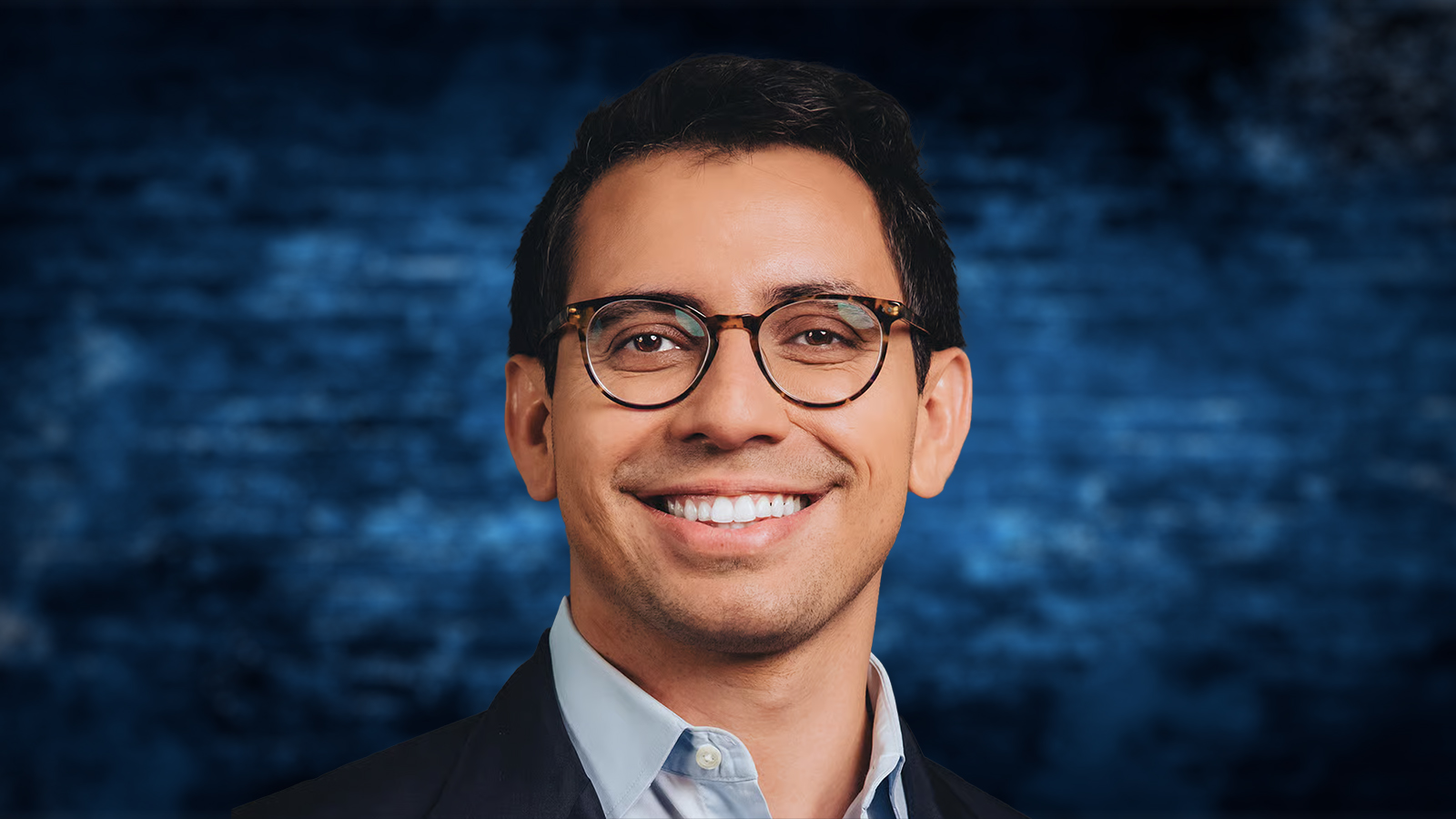
When it comes to raising money for his extremely online campaign for Florida Governor, Republican James Fishback is a fish out of water.
Despite weeks of earned media on various national outlets, it appears Floridians have little interest in writing the Madison Republican a check. His first fundraising report, encompassing activity through the end of last year, is more suited to a campaign for a Soil and Water Board than one to replace Gov. Ron DeSantis.
Fishback raised an anemic $950 since opening his campaign account, a number that looks even worse when his list of very small-dollar donors is considered.
Campaign Treasurer and “Chief Strategy Officer” Alexander Munguia got the ball rolling by contributing a whopping $50.
Aaron Baker, a repeat candidate for U.S. Congress whom Fishback touted in a recent interview with Tucker Carlson as his preference over U.S. Rep. Randy Fine in Florida’s 6th Congressional District, chipped in $100.
Benjamin Salyers, a fireman from Palm Bay, led all donors with $500 contributed.
Munguia also leads the Florida First PAC, a vehicle to accommodate donors who wish to give above state contribution limits. The account has yet to receive one contribution.
We reached out to Munguia for some context for the fundraising report, but did not immediately hear back Tuesday morning.
Fishback is far behind every plausible candidate in the race in terms of resources.
U.S. Rep. Byron Donalds, who has repeatedly been called a “slave” and other pejoratives by Fishback, ended 2025 with roughly $45 million raised.

Former House Speaker Paul Renner, who hasn’t gotten nearly the national showcase Fishback has despite a record of conservative accomplishments in Tallahassee, raised nearly $5.5 million by the end of 2025.
Lt. Gov. Jay Collins just launched his campaign Monday, but his first fundraising report likely will show he belongs in the race.
National media has given Fishback a platform befitting a serious candidate, though that effort is turning into a punchline given the laughably low amount Fishback has raised in an open race.


Gov. DeSantis names 2 members to Disney World’s governing board

Polygon Labs buys two crypto startups for $250 million as it looks to compete with Stripe

‘Sinners’ Star Miles Caton Says Film’s Success Has Been a Blessing, DMs Are Crazy
-

 Politics8 years ago
Congress rolls out ‘Better Deal,’ new economic agenda
-
Entertainment8 years ago
New Season 8 Walking Dead trailer flashes forward in time
-
Politics8 years ago
Poll: Virginia governor’s race in dead heat
-
Politics8 years ago
Illinois’ financial crisis could bring the state to a halt
-
Entertainment8 years ago
The final 6 ‘Game of Thrones’ episodes might feel like a full season
-
Entertainment8 years ago
Meet Superman’s grandfather in new trailer for Krypton
-
Business8 years ago
6 Stunning new co-working spaces around the globe
-
Tech8 years ago
Hulu hires Google marketing veteran Kelly Campbell as CMO