
Politics
Jervonte Edmonds targets digital scammers in new legislation

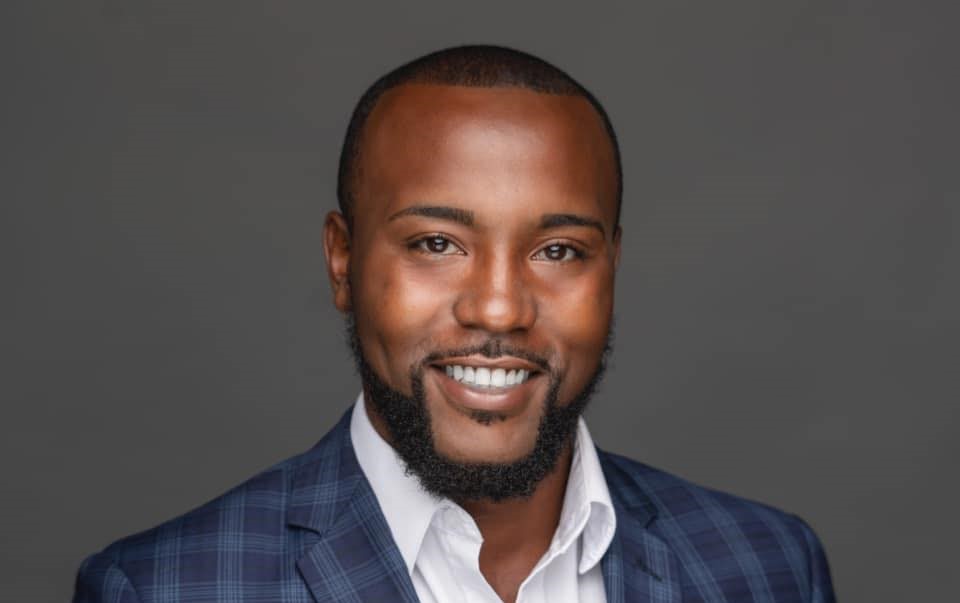
Rep. Jervonte Edmonds thinks Florida can better protect residents against online scams and digital fraud.
Edmonds, a West Palm Beach Democrat, has filed legislation (HB 195) that would create a Task Force on Payment Scams within the Florida Department of Financial Services to help develop plans and provide guidance on how teams can collaborate to combat fraud.
Duties would include evaluating scam tactics such as malicious advertisements, scam texts, pop-ups, websites and spoofed calls.
The task force would study prevention efforts already implemented in other states, on a federal level, and internationally. They would review current scam methods on payment platforms and develop education strategies so consumers can better identify and report scams.
It would further coordinate with law enforcement efforts in pursuing perpetrators, and consult with federal, state, local, tribal agencies and financial providers. Based on the information provided by other agencies and financial institutions, legislative recommendations or regulatory changes would be explored to improve prevention.
In July, Agriculture Commissioner Wilton Simpson released an advisory warning consumers about the growing number of email-based scams claiming to be subscription services like Hulu, Netflix and Amazon to gain access to payment information
“These scams look real — but they’re designed to trick you into taking the bait and handing over sensitive information,” Simpson said in a statement. “We want Floridians to recognize the red flags and protect themselves before they click.”
A study published by Simmrin Law Group shows that Florida leads the nation on internet fraud, approximately 56% above the national average. Over a five-year period, data shows that Floridians are twice as likely to become a victim of online fraud.
Florida’s Chief Financial Officer would create the task force, which would be operational by Oct. 1, 2026. The Department of Financial Services would provide administrative and staff support.
The task force would be chaired by the CFO or their designee, and would include representatives from the Department of Agriculture, the Attorney General, the Division of Treasury, the Department of Commerce, and Florida Department of Law Enforcement units.

It would further include financial institutions such as credit unions, digital payment networks, consumer banks, consumer advocacy groups, technology and online platform associations, and up to five representatives for victims who have been scammed and support networks.
Members would be required to meet at least three times in the first year. While the position is unpaid, members could claim back certain expenses related to travel-related costs like lodging, flights, gas or public transportation, and would be provided with a daily allowance for food and incidentals.
A report would be required to be submitted to the Senate President and the House Speaker within one year of being established and annually thereafter.
The report would include findings and evaluations, strategic recommendations, legislative proposals and suggestions for intergovernmental cooperation and data sharing.
The bill contains a sunset provision that would automatically repeal the task force on Oct. 2, 2029, unless reenacted by the Legislature.
If passed, the bill would take effect July 1, 2026.

Attorney General James Uthmeier issued a report this week concluding that deceptive sales of pets have ripped off Floridians to the tune of $25.1 million annually.
The analysis focused largely on the sale of puppies in the state. The report found that at least 80% of young canines sold in Florida are sourced from breeders in other states in so-called “puppy mills.”
Since those animals usually undergo extensive transport to get to Florida, the puppies often arrive sick or mischaracterized in their breeds, which ultimately results in substantial vet bills for families.
The research was conducted by the University of West Florida’s Haas Center, an economic impact and workforce survey arm of the Panhandle campus. Uthmeier said the results led to his Office launching a consumer protection investigation into deceptive sales, sick animals and predatory financing schemes.
“Florida families deserve fair and honest business practices,” Uthmeier said. “This report exposes how deceptive retailers and shady lenders are preying on consumers who are bringing a pet into their family. Our office is opening a formal investigation into the lenders and retailers pushing these predatory loans for sick puppies.”
The 90-page report, “The Cost of Deception: How Sick Pets Drain Florida’s Economy,” also outlines the difficult conditions puppies face on their way to Florida.
As many as 120 puppies can be crammed into one van and transported thousands of miles, with few exams by veterinarians and hardly any oversight. That creates conditions for the spread of disease, which often leads to pricey veterinarian bills.
The report also found that some pet sales involve big retailers that include store-brand credit cards with interest rates as high as 35.9%, along with hidden fees and “deferred interest” in promotions.
“A $5,000 pet purchase can ultimately cost families as much as $16,000 under these terms,” a news release said.
The counties with the most complaints about puppy problems include Orange, Pinellas, Duval, Miami-Dade, Broward and Palm Beach.

The UWF analysis also provided some recommendations, including increasing consumer protections and oversight for breeders and transporters. Researchers also suggest the state modernize pet lemon laws and restrict questionable financing practices.

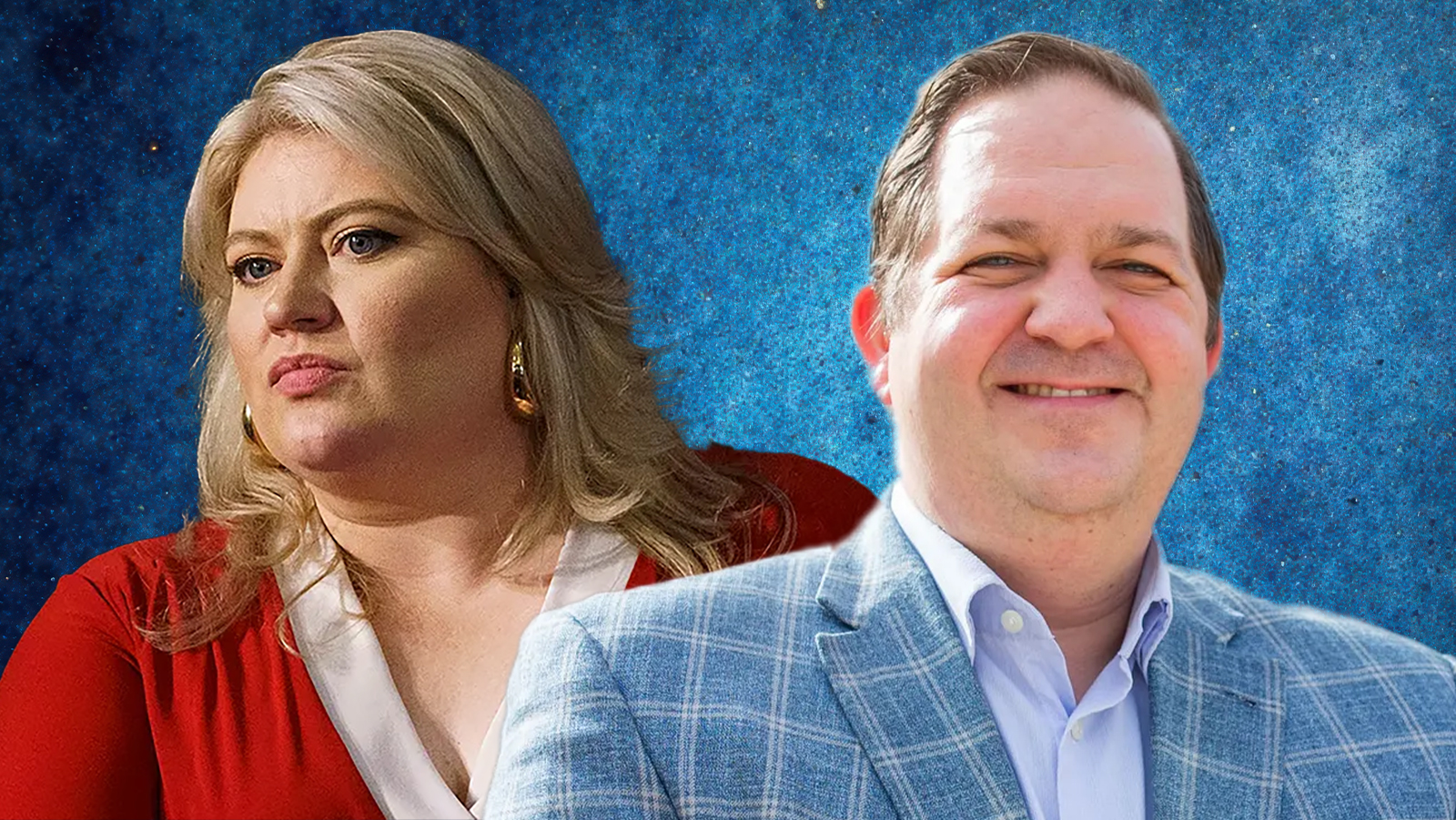
U.S. Rep. Kat Cammack already knows who she wants to win a newly open race neighboring her own North Florida district.
The Gainesville Republican is endorsing Republican Party of Florida Chair Evan Power to succeed retiring U.S. Rep. Neal Dunn.
“I don’t back candidates who seek permission slips. I back fighters. That’s why I’m proud to endorse Evan Power for Congress,” Cammack said.
“Washington is broken because too many politicians cling to the status quo. Evan isn’t one of them. He’s a proven conservative leader who fights bureaucracy, stands up to the radical left, and wins. I’ve seen him push back against government overreach, defend Florida values, and hold firm under pressure.”
Power, a Tallahassee Republican, filed last week to run in Florida’s 2nd Congressional District a day after Dunn announced he will not seek another term. Cammack first won election in 2020 to Congress to represent Florida’s 3rd Congressional District.
On social media, Power said he was “honored to have the endorsement and support of Kat Cammack.”
It’s an early endorsement for the party leader as other candidates rush to file.
Already, former U.S. Senate candidate Keith Gross filed in the Republican Primary. Other Republicans, including Austin Rogers, the General Counsel for U.S. Sen. Rick Scott, and Chuck Perdue, the Bay County Talk Collector, are exploring runs.
Cammack said Power’s history working on political issues and campaigns led her to publicly support his candidacy.
“Evan doesn’t just talk about freedom, the Constitution, and fiscal responsibility, he delivers. He knows our job is to serve the people, not grow government, appease special interests, or play nice with the swamp,” she said.

“If you want a rubber stamp, look elsewhere. If you want a conservative who will join me to secure the border, protect parents, defend life, back law enforcement, and put America First then Evan Power is the fighter we need in Congress. I’m all in for Evan Power. I hope you are too.”


Taylor Swift Will Be Called as Hostile Witness in Lively vs. Baldoni

UWF analysis on ‘puppy mills’ leads to consumer protection investigation

Jensen Huang says AI bubble fears are dwarfed by ‘largest infrastructure buildout in human history’
-

 Politics8 years ago
Congress rolls out ‘Better Deal,’ new economic agenda
-
Entertainment9 years ago
New Season 8 Walking Dead trailer flashes forward in time
-
Politics9 years ago
Poll: Virginia governor’s race in dead heat
-
Politics9 years ago
Illinois’ financial crisis could bring the state to a halt
-
Entertainment9 years ago
The final 6 ‘Game of Thrones’ episodes might feel like a full season
-
Entertainment9 years ago
Meet Superman’s grandfather in new trailer for Krypton
-
Business9 years ago
6 Stunning new co-working spaces around the globe
-
Tech8 years ago
Hulu hires Google marketing veteran Kelly Campbell as CMO