
Politics
Jay Collins says Governor still doesn’t have a property tax cut proposal ready to launch

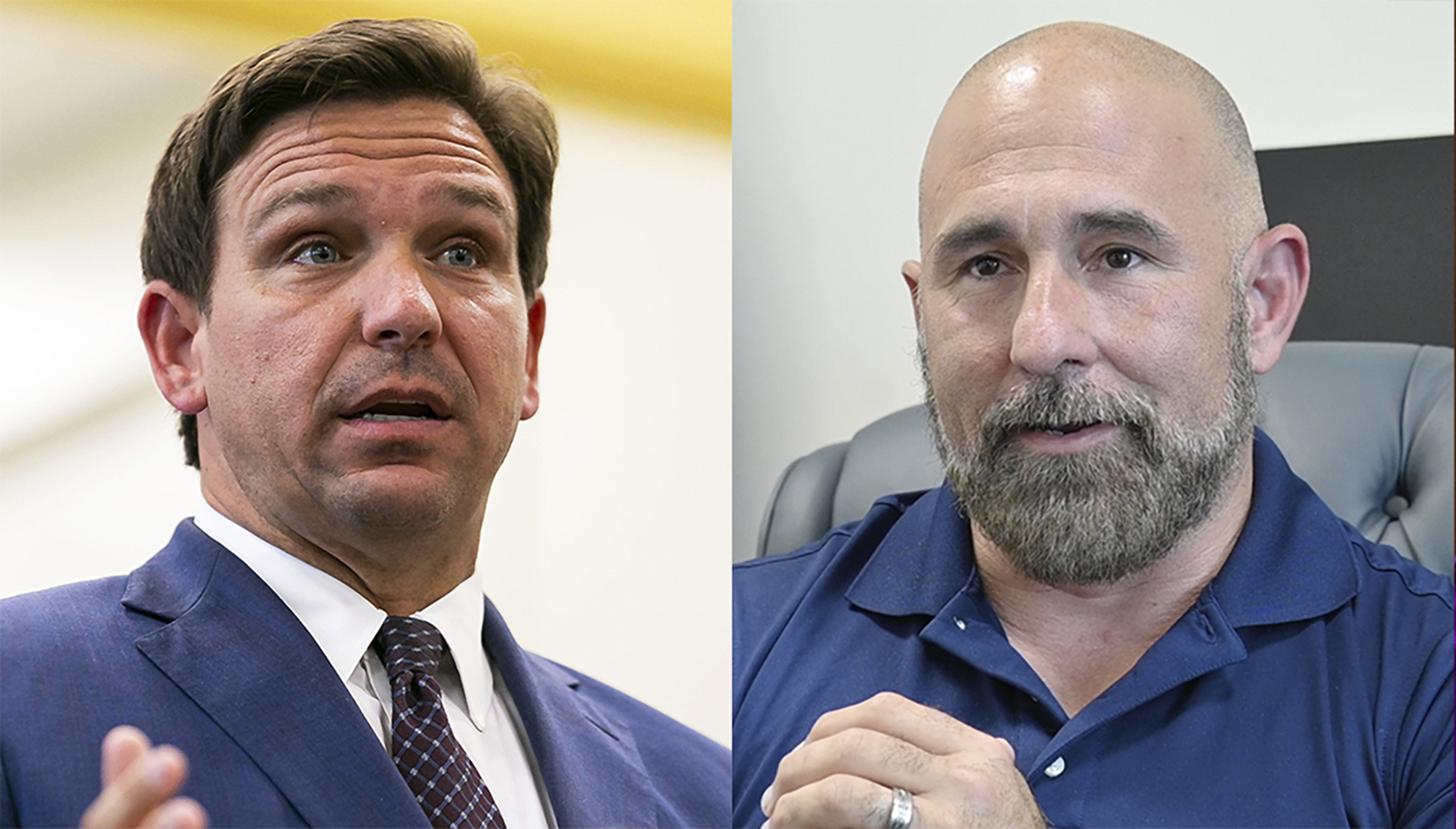
Gov. Ron DeSantis has said for months that eliminating property taxes is very important to him. But he hasn’t rolled out specific plans for a constitutional amendment, even though the 2026 Legislative Session begins in weeks.
Lt. Gov. Jay Collins says that’s because what DeSantis wants isn’t yet ready to roll out.
“DeSantis will roll out his proposal when he’s ready and at the appropriate time, and those facts and details will be laid out,” Collins said in Jacksonville.
Collins, a former state Senator from Tampa who was appointed as a replacement for former Lt. Gov. Jeanette Nuñez, said two weeks ago DeSantis was “being diligent and dotting the I’s, crossing the t’s, and making sure that all the second-, third-, and fourth-order effects are thought about and taken care of.”
Apparently, the diligence continues.
House Speaker Daniel Perez last month unveiled eight potential constitutional amendments that, if OK’d in the Legislature in the coming Session, would go directly to voters for possible approval in the 2026 election. A House committee will mull those provisions in a meeting Thursday.
But Collins says they are nonstarters as voters and lawmakers would be flummoxed.
“Guys, it’s very confusing. When a bill like that goes forward and you have multiple proposals, it confuses the Legislature, it confuses the people on the ballot. Let’s do one,” he said.
He also suggested that multiple proposals are arguably un-American.
“The last I checked, this is the United States. This is the state of Florida, and we don’t back away from what’s hard. Aim for what’s at the top of the ladder. Aim for the precipice. Everybody I talk to believes in the American dream. Part of that American dream, that experience is owning your own home, and having it free and clear of the government,” he said.

“Getting rid of property tax on homesteaded properties, that’s what our people want.”
As a reminder, here are the House proposals:
— HJR 201 by Rep. Kevin Steele: Eliminates non-school homestead property taxes outright. If approved, homeowners would no longer pay city/county non-school levies on their primary residence.
— HJR 203 by Rep. Monique Miller: Phases out non-school homestead property taxes over 10 years by adding a new $100,000 exemption each year to a homeowner’s non-school tax base. After a decade, the non-school portion on homesteads would be fully exempted.
— HJR 205 by Rep. Juan Porras: Exempts Florida residents over 65 from paying non-school homestead property taxes.
— HJR 207 by Rep. Shane Abbott: Creates a new homestead exemption for non-school taxes equal to 25% of a home’s assessed value. This broad exemption would cut bills for current homeowners and aid first-time buyers entering the market.
— HJR 209 by Rep. Demi Busatta: Establishes a property insurance relief homestead exemption by granting an additional $100,000 non-school exemption to homestead owners who maintain property insurance, linking relief to insured, more resilient homes.
— HJR 211 by Rep. Toby Overdorf: Eliminates the cap on “portability” of Save Our Homes (SOH) benefits, allowing homeowners to transfer their accumulated SOH differential to a new primary residence, even when the replacement home is of lesser value, thereby preserving long-built tax savings.
— HJR 213 by Rep. Griff Griffitts: Slows the growth in the assessed value of non-school homestead property taxes to 3% over three years for homestead property (currently it’s 3% per year) and 15% over three years for non-homestead property (currently at 10% per year).
— HB 215 by Rep. Jon Albert: Makes statutory changes, including requiring a two-thirds vote to increase millage rates and allowing newly married couples to merge their accumulated SOH benefits when establishing a shared household.

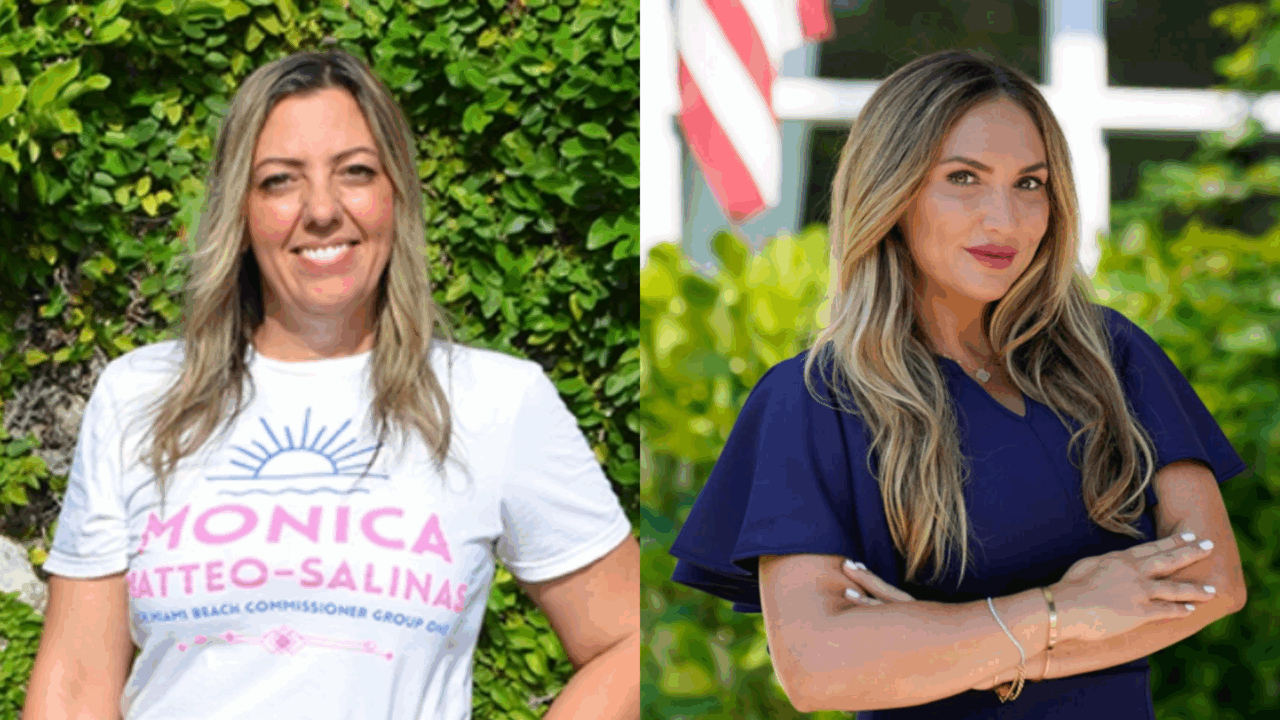
Early voting is underway in Hialeah as two Council runoff contests will decide who rounds out a markedly different dais at City Hall.
The Group 3 and Group 4 races — featuring Jessica Castillo versus Gelien Perez and William “Willy” Marrero versus Javier Morejon, respectively — also stand to determine whether new Mayor Bryan Calvo gains early influence over the Council.
Perez and Castillo advanced to the Group 3 runoff in last month’s General Election with 40.5% and 36% of the vote, respectively, leaving one third-place candidate behind.
In Group 4, Marrero narrowly led the field with 24.8%, followed by Morejon at 23.3%. They outpaced three others in the contest.
To win outright, a candidate had to capture more than half the vote in their respective races.
The runoffs present one of the first real tests of how much sway Calvo, who made history last month as the youngest person ever elected Hialeah Mayor, will have as he prepares to take office.
He has endorsed Perez and Marrero — a strategic pairing that blends rival factions from the mayoral contest into his new governing coalition. Both ran with political slates opposing him. He told the Miami Herald last month that he’s aiming to create “a coalition to approve the agenda,” without an expectation that Perez and Matteo “will vote with (him) 100% of the time.”
If both candidates win, Calvo could enter January with a working majority on the seven-member Council and greater control over the upcoming appointment to fill Jesus Tundidor’s soon-to-be-vacant seat. Tundidor ran unsuccessfully for Mayor.
In Group 3, Perez, 35, a former city Human Resources Director and one-time mayoral aide, has campaigned on supporting first responders and small businesses, improving infrastructure and parks, expanding senior services and rejecting millage rate increases.
But her tenure as HR director drew scrutiny: a two-year Miami-Dade ethics investigation found employees under her influence received sizable raises while she acted as their real estate agent. She has not publicly responded to inquiries about the probe.
Castillo, 37, has run as an independent voice focused on transparency, accountability, traffic relief, infrastructure upgrades and lower taxes. She has kept her campaign largely offline, with no website and minimal social media activity.
In Group 4, Marrero, 23, a Florida International University public administration student and former Council aide, has emphasized affordability, issues facing working families and seniors, and support for first responders.
Earlier this year, three Council members attempted to appoint him to the same seat he now seeks, but opposition from others blocked the move.

Morejon, 34, a land-use specialist with an extensive volunteer résumé, is running on infrastructure repairs, government transparency, beautification and reducing the cost of city services.
Election Day is Monday, Dec. 9. Because Hialeah elects Council members at-large, all voters can cast ballots in both races.


Jamie Dimon on AI: ‘maybe one day we’ll be working less hard but having wonderful lives’

This pastor fills up arenas by not sugarcoating the Bible

Del Rio Appears in Wife’s Family Photo Amid Sex Assault Claims
-

 Politics8 years ago
Congress rolls out ‘Better Deal,’ new economic agenda
-
Entertainment8 years ago
New Season 8 Walking Dead trailer flashes forward in time
-
Politics8 years ago
Poll: Virginia governor’s race in dead heat
-
Entertainment8 years ago
The final 6 ‘Game of Thrones’ episodes might feel like a full season
-
Entertainment8 years ago
Meet Superman’s grandfather in new trailer for Krypton
-
Politics8 years ago
Illinois’ financial crisis could bring the state to a halt
-
Business8 years ago
6 Stunning new co-working spaces around the globe
-
Tech8 years ago
Hulu hires Google marketing veteran Kelly Campbell as CMO