
Politics
Jane Castor says Tampa will ‘finish strong’ amid construction and transit plans

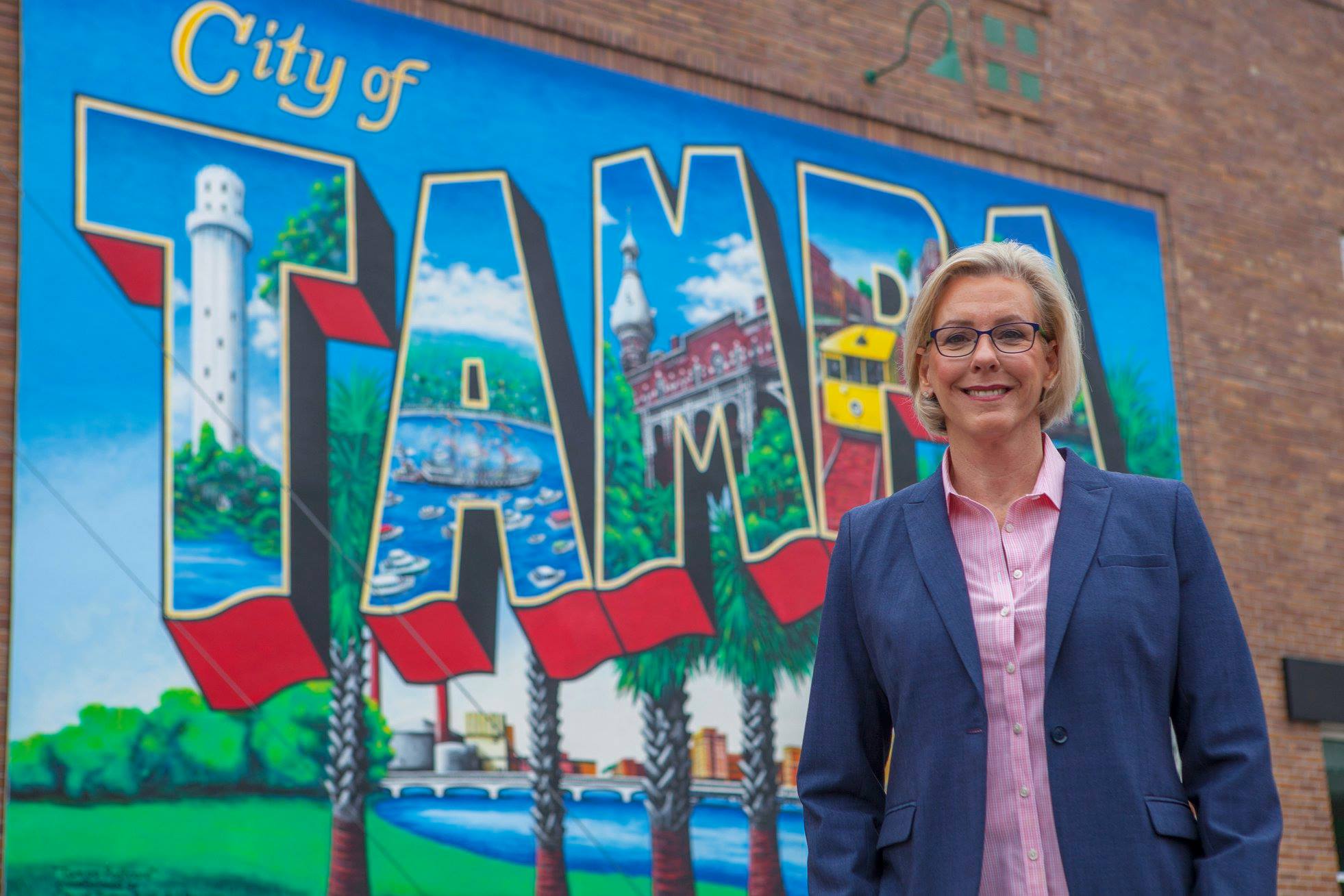
With just over a year remaining in her second and final term, Tampa Mayor Jane Castor’s administration is shifting into a “finish strong” phase to wrap up major redevelopment projects while positioning the city for continued growth under its next Mayor.
Castor told Florida Politics that she is focused on completing long-planned initiatives in the coming year, and creating what she called “project launch pads” for the next administration after nearly seven years of rapid development and population growth.
“We’ve accomplished a great deal in just a bit less than seven years,” Castor said. “Our city’s grown dramatically. We’re focused on finishing up some of those projects and getting other projects ready for the next administration.”
Castor said recent city budgets have emphasized investment in transportation, affordable housing and workforce development.
Transportation remains Tampa’s biggest challenge, she said, calling it the city’s “Achilles heel.” Castor pointed to the defeat of Hillsborough County’s voter-approved transportation surtax as a major setback for the region, though she emphasized that local governments have continued pursuing alternatives.
“We mourned the loss of that, but we didn’t stop,” Castor said.
Instead, Tampa and regional partners turned to grants and federal funding, securing nearly $4 million through a U.S. Department of Transportation program known as the Regional Infrastructure Accelerator. The grant supports planning for large-scale, multicounty transportation projects across Hillsborough, Pinellas and Pasco counties, including both local and regional transit options.
One proposal under consideration would expand Tampa’s streetcar system beyond its current footprint in Ybor City, Channel District and downtown, extending north into Tampa Heights. Castor said the city is also examining longer-term regional transit connections, including potential airport links and public-private partnerships to help finance future projects.
Meanwhile, construction across Tampa continues at a rapid pace, particularly along the riverfront and in historically underserved neighborhoods.
Castor highlighted projects nearing key milestones, such as the West River redevelopment in West Tampa — where a new Riverwalk extension is under construction. Castor also noted the Rome Yard project near Rome Avenue and Columbus Drive, a 16-acre mixed-use development now rising out of the ground.

In East Tampa, the city recently held a ribbon-cutting for the new East Tampa Recreation Center, a sprawling, multiblock complex that Castor said will be among the best facilities in Tampa’s parks system once completed later this year.
Downtown and surrounding neighborhoods are also seeing a wave of new residential construction. Castor cited multiple high-rise developments near downtown, additional riverfront condominiums along Kennedy Boulevard, student housing tied to the University of Tampa, and the long-anticipated opening of the five-star Pendry Hotel near the river this year.
Ybor City and the Channel District remain hot spots for redevelopment as well, with Water Street Tampa entering its second phase and developer Darryl Shaw advancing residential, office and retail projects, including a food hall, near the Gas Worx site.
“The city is just on fire,” Castor said. “I keep saying I’m going to change our city bird to the crane, there’s cranes all over the city.”
As lawmakers convene in Tallahassee for the ongoing Legislative Session, Castor said her top request is simple: leave property taxes alone.
Property taxes remain the primary revenue source for cities and counties, she said, and are already constrained by Florida’s Save Our Homes cap, which limits annual increases regardless of rising property values.
“Any cuts to property tax would be cuts to police and fire, to our parks and recreation, and to all the other city departments that rely on property tax funding,” Castor said.
Castor also addressed ongoing discussions surrounding professional sports facilities, noting that planned improvements to Raymond James Stadium and Benchmark International Arena are already accounted for through Hillsborough County’s voter-approved Community Investment Tax extension. She said city and county officials are meeting with the Tampa Bay Rays as discussions continue around a potential baseball stadium site near Hillsborough Community College.
Looking beyond her tenure, Castor said she does not plan to seek another political office, but intends to remain active in civic life after leaving City Hall.
“I don’t have any plans politically, but I definitely will stay involved in the community,” Castor said. “I was born and raised here in Tampa, so I’ll always be involved — participate on boards, volunteering, whatever way I can — to help continue to grow this great city.”


Attorney General James Uthmeier issued a report this week concluding that deceptive sales of pets have ripped off Floridians to the tune of $25.1 million annually.
The analysis focused largely on the sale of puppies in the state. The report found that at least 80% of young canines sold in Florida are sourced from breeders in other states in so-called “puppy mills.”
Since those animals usually undergo extensive transport to get to Florida, the puppies often arrive sick or mischaracterized in their breeds, which ultimately results in substantial vet bills for families.
The research was conducted by the University of West Florida’s Haas Center, an economic impact and workforce survey arm of the Panhandle campus. Uthmeier said the results led to his Office launching a consumer protection investigation into deceptive sales, sick animals and predatory financing schemes.
“Florida families deserve fair and honest business practices,” Uthmeier said. “This report exposes how deceptive retailers and shady lenders are preying on consumers who are bringing a pet into their family. Our office is opening a formal investigation into the lenders and retailers pushing these predatory loans for sick puppies.”
The 90-page report, “The Cost of Deception: How Sick Pets Drain Florida’s Economy,” also outlines the difficult conditions puppies face on their way to Florida.
As many as 120 puppies can be crammed into one van and transported thousands of miles, with few exams by veterinarians and hardly any oversight. That creates conditions for the spread of disease, which often leads to pricey veterinarian bills.
The report also found that some pet sales involve big retailers that include store-brand credit cards with interest rates as high as 35.9%, along with hidden fees and “deferred interest” in promotions.
“A $5,000 pet purchase can ultimately cost families as much as $16,000 under these terms,” a news release said.
The counties with the most complaints about puppy problems include Orange, Pinellas, Duval, Miami-Dade, Broward and Palm Beach.

The UWF analysis also provided some recommendations, including increasing consumer protections and oversight for breeders and transporters. Researchers also suggest the state modernize pet lemon laws and restrict questionable financing practices.



‘Let’s not be naive’: Ray Dalio warns the global rule-based order is already ‘gone,’ toppled by America’s debt crisis and raw power

Dana White Calls Conor McGregor Vs. Jorge Masvidal White House Talks ‘Goofy S***’

As pennies fade away, Senate panel advances Don Gaetz proposal setting cash-rounding rules
-

 Politics8 years ago
Congress rolls out ‘Better Deal,’ new economic agenda
-
Entertainment9 years ago
New Season 8 Walking Dead trailer flashes forward in time
-
Politics9 years ago
Poll: Virginia governor’s race in dead heat
-
Politics9 years ago
Illinois’ financial crisis could bring the state to a halt
-
Entertainment9 years ago
The final 6 ‘Game of Thrones’ episodes might feel like a full season
-
Entertainment9 years ago
Meet Superman’s grandfather in new trailer for Krypton
-
Business9 years ago
6 Stunning new co-working spaces around the globe
-
Tech8 years ago
Hulu hires Google marketing veteran Kelly Campbell as CMO