Sports
How The NFL Lobbied For MLK Day In Arizona
The NFL dangled a Super Bowl before voters

NFL Played Key Role in Arizona Recognizing Martin Luther King Jr. Day
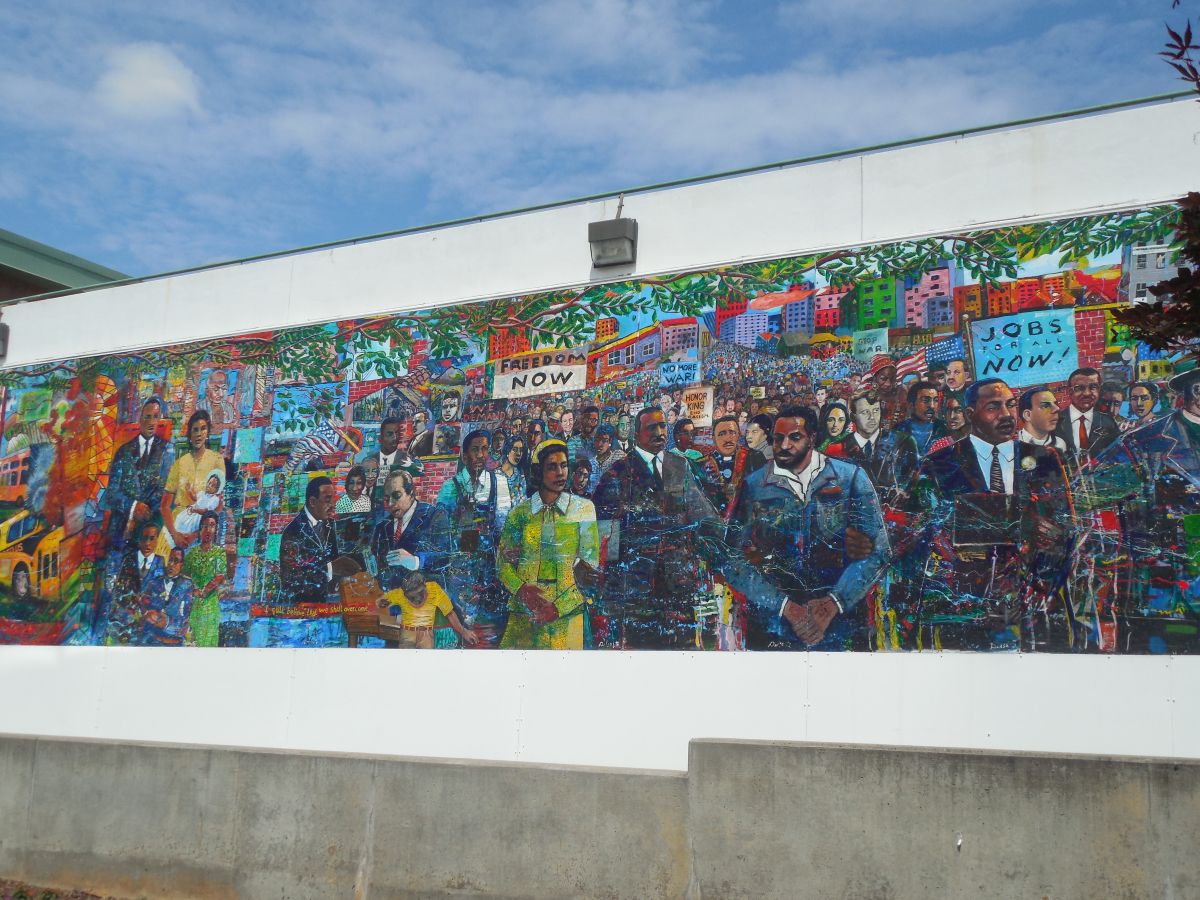
The National Football League played a pivotal role in the establishment of Reverend Dr. Martin Luther King Jr. Day in Arizona. Without the league’s influence, it is possible the state might have delayed recognizing the holiday for years. In 1990, the NFL promised to bring a Super Bowl to the Phoenix area in exchange for a voter-approved King holiday, signaling the league’s unique political leverage and willingness to use its events to shape public policy.
The saga began after President Ronald Reagan signed the federal holiday into law in 1983. By 1986, Arizona Governor Bruce Babbitt supported recognition, but a year later, new Governor Evan Mecham refused to honor the holiday. Meanwhile, Bill Bidwill’s Cardinals franchise had moved from St. Louis to Tempe in 1988, further tying professional football to the state’s political landscape.
Legislative Hurdles and Voter Opposition
In 1989, the Arizona legislature passed legislation creating the holiday. However, opponents gathered enough signatures to force a statewide referendum in November 1990. At the time, the NFL had already awarded Super Bowl XXVII to Tempe, signaling confidence that Arizona would honor the civil rights leader. When voters rejected the holiday, the NFL shifted the game to Pasadena, California, demonstrating that its influence could not be ignored.
NFL owners and the Players Association applied pressure, making it clear that future Super Bowls in the Phoenix area depended on state compliance. The league’s leverage was undeniable: its marquee event, with enormous economic and media impact, became a political bargaining chip.
Voter Approval and the Return of the Super Bowl
The situation reached a turning point in 1992, when Arizona voters passed a referendum officially recognizing Reverend Dr. Martin Luther King Jr. Day. This decision cleared the path for the NFL to schedule Super Bowl XXX in Tempe in 1993, cementing the league’s critical role in Arizona’s eventual recognition of the holiday.
The episode highlights the NFL’s political clout and its ability to influence state-level decisions through strategic use of its events. The league’s involvement went beyond sports, shaping social policy and civil rights recognition in one of America’s largest states.
Evan Weiner’s books are available at iTunes – https://books.apple.com/us/author/evan-weiner/id595575191
Evan can be reached at evan_weiner@hotmail.com