
Politics
Houses amends and passes data center regulation framework
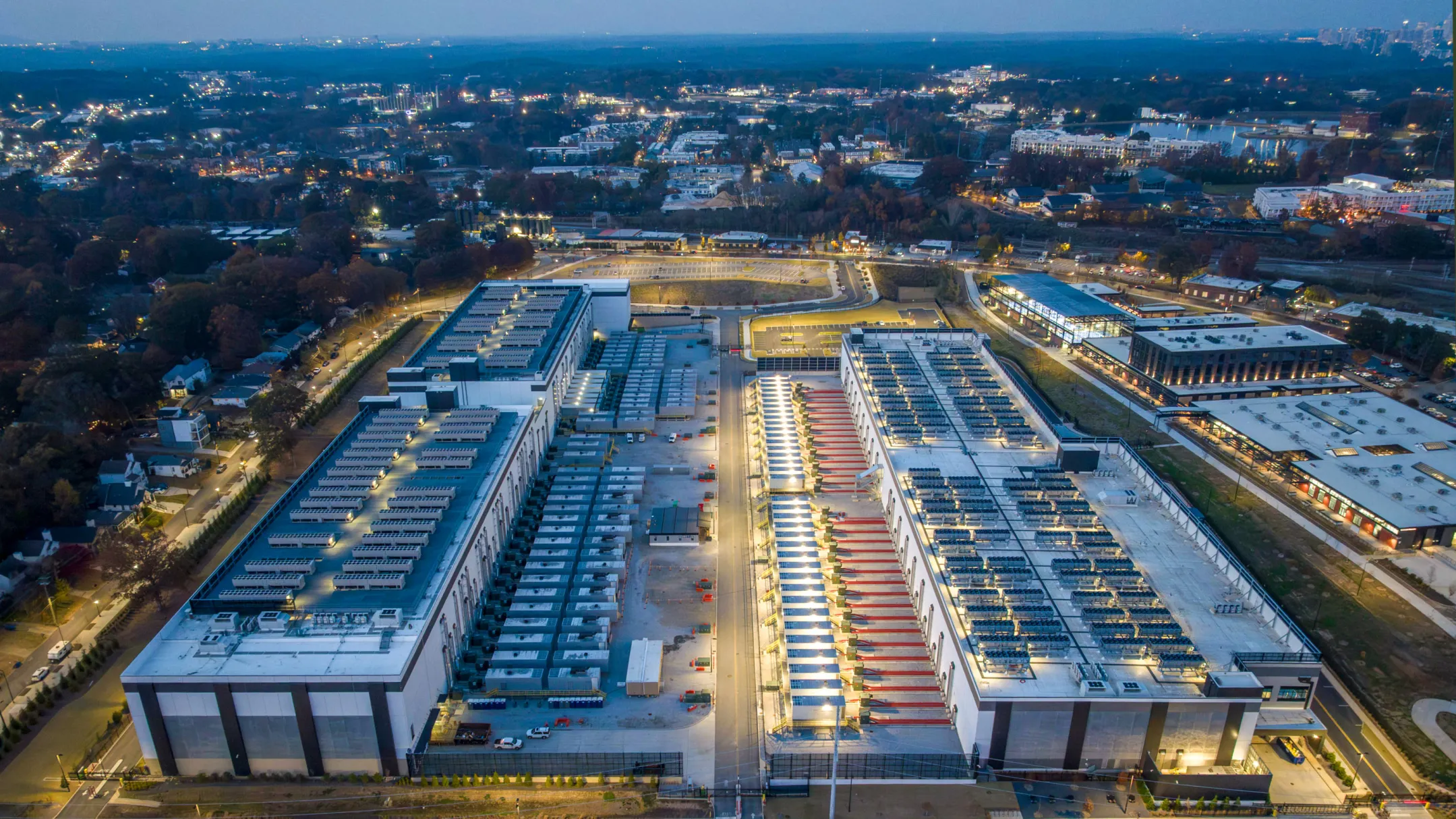
Once again, the House passed legislation on the future of data centers in Florida. The bill (SB 484) passed with a significant amendment filed by Rep. Griff Griffitts. The legislation cleared the chamber on a 92-16 vote.
The Panama City Beach Republican stressed White House-backed protections that should safeguard existing power users, even if data centers cannot meet their own promises to supply the needed energy.
“We have a rate payer protection plan that the President (Donald Trump) actually put into place last week, and those data center executives signed a commitment so that no rate payers will shoulder the burden,” Griffitts said.
That followed questions from Rep. Allison Tant, a Tallahassee Democrat, who voiced concern that large-load consumers would skip out and leave consumers “holding the bag.”
The Senate passed the legislation last month, but without some significant restrictions sought by the House, including a provision prohibiting permits for new data centers that use over 50 megawatts within 5 miles of any residential property or school unless a local governing body waives it by unanimous vote.
Griffitts said his amendment added provisions to legislation already passed by the Senate that further protect consumers.
“This amendment also removes provisions from the Senate bill related to non-disclosure agreements, disclosures by an economic development agency, related to data center development and required rule-making by the Public Service Commission,” Griffitts said.
Rep. Anna Eskamani, an Orlando Democrat, said she was concerned that it would create secrecy from the public.
“I do think it’s really important in the context of non-disclosure agreements that the public knows of data centers coming to their District, coming to their neighborhood,” she said.
“I think everyone here would agree that if something that is going to be such a permanent presence in your community, with the impact that we are discussing the risk of water and electricity at the public be aware of it. But I do think the heart of the amendment is good, but I am disappointed with that language being removed.”

The most significant change from the Senate bill proposed by Griffitts’ amendment would be a requirement for the Office of Program Policy Analysis and Government Accountability (OPPAGA) to contract for a study on the impact of constructing large-scale data centers on local and state governments, including impacts on natural resources and utility rates.
“The study must identify any issues unique to the construction and operation of large-scale data centers in this state. The study must also include recommendations on facility siting and mitigation measures that should be considered to reduce any potential negative impacts,” the proposed amendment states.
OPPAGA must submit its findings to the Governor’s Office and the Legislature by July 1.
Meanwhile, business lobbyists have expressed fear that the amendment will stop the opening of data centers in Florida and set America back in the artificial intelligence race against China.
“Florida is closing the door on massive private investments that would create jobs, bring billions in tax revenue and support President Trump’s plan for America to win the AI race against China,” one lobbyist told Florida Politics. “The bill targets one industry with unnecessary restrictions, which could ultimately create financial risk for utilities and increase costs for Florida ratepayers.”
But Griffitts said fears all around were unfounded.
“This bill does three things, three things very simply: it protects the transparency. There’s no more problems with that. It protects Florida’s rate payers,” Griffitts said. “It protects our resource, water resources, and this does not ban data centers. It simply puts guardrails in place so that locals have some control over that.”
The bill now heads back to the Senate with the amended language.