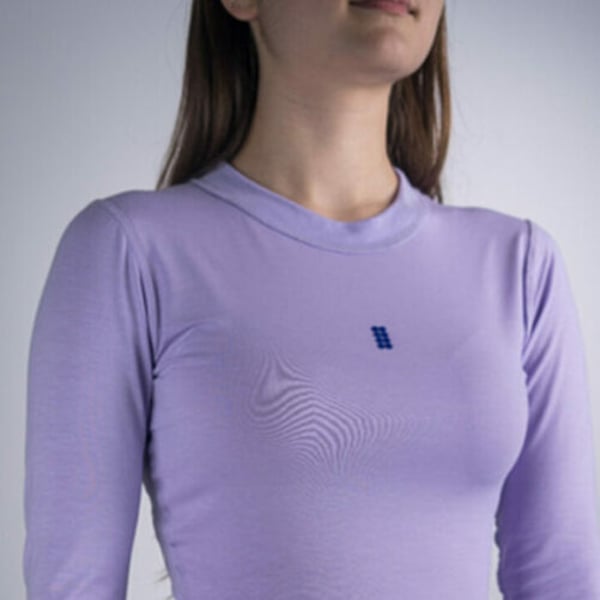
A technological jumper is being developed in VilaNova de Famalicão, at CeNTI — the Centre for Nanotechnology and Technical, Functional and Intelligent Materials — which promises to transform the lives of people living with atopic dermatitis, reports Recuperar Portugal, adding that this innovative garment is being developed under the HfPT — Health From Portugal Mobilising Agenda, a project funded by the PRR (Recovery and Resilience Plan) that brings together science, nanotechnology and functional textiles to create clothing with therapeutic benefits.
Notably, this unique jumper represents just one of more than 100 innovative solutions planned under the HfPT Agenda, with an investment of over 90 million euros from the PRR.
CeNTI
A smart orthopaedic sleeve is also being developed for the treatment of lymphoedema — a swelling most common in the arms and legs that can affect up to 40% of women following breast cancer. It is a device that integrates sensors to simulate lymphatic drainage, helping to reduce swelling and improve mobility, according to a publication bearing the PRR Portal seal, which aims to closely monitor implementation of the plan, in partnership with the implementing entities, beneficiaries, government departments and the European Commission.
This initiative, led by CeNTI — the Centre for Nanotechnology and Technical, Functional and Intelligent Materials, aims to bring together comfort, aesthetics and health.
As for the unique jumper, it was designed for everyday use and carefully conceived to minimise atopic dermatitis — a chronic inflammatory condition with symptoms such as itchy, cracked, inflamed and red skin — which affects around 1.6% of adults and 14.4% of children and young people.
It stands out for its seamless construction, which prevents friction against the skin, and for incorporating fibres with regenerative additives capable of preventing infections and accelerating skin recovery, as highlighted in the report on this textile innovation. “The finishing includes nanocapsules with natural active ingredients — substances extracted from plants with anti-inflammatory and antimicrobial properties — which are released in a controlled manner and absorbed by the skin, acting directly on the affected areas,” said Recuperar Portugal.
Put simply: the fibres used contain additives that aid skin regeneration and help prevent infections, and the finishing incorporates nanocapsules with natural, plant-derived active ingredients with anti-inflammatory and antimicrobial effects. As CeNTI explains in a statement: “When released onto the skin in controlled doses, this active agent is absorbed, acting directly on the affected areas, such as itching or skin lesions,” concluded CeNTI.
CeNTI is a private, non-profit, multisectoral and multidisciplinary Technology and Innovation Centre (CTI) recognised by ANI — Agência Nacional de Inovação (National Innovation Agency), equipped with state-of-the-art technology, and provides all the information on its website.
This article is an automatic translation. Click here to read the original article.
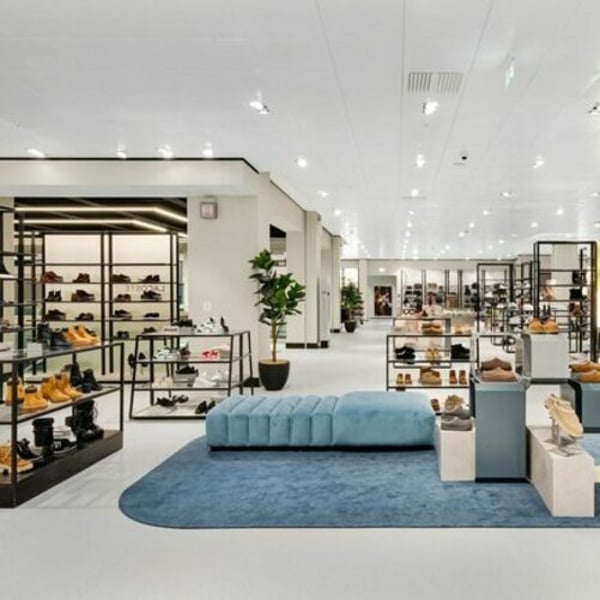
The newest ‘next-generation’ Frasers department store has opened at Queensgate Peterborough in the heart of the city.
Frasers Group
Spanning 60,000 sq ft across two floors, it brings together Frasers Group brands including Flannels, Sports Direct, USC, and Jack Wills under one roof.
The new destination “offers an elevated retail experience, providing access to the world’s most aspirational premium, lifestyle and sports brands”, across women’s, men’s, and kidswear, Frasers Group said.
It includes a dedicated 5,000 sq ft Flannels store, providing the Queensgate catchment “with the best in luxury and contemporary fashion, footwear, and accessories”.
This includes an extensive range of globally-recognised labels including Boss, Coach, Levi’s, Biba, Tommy Hilifger, Barbour, alongside sports brands under its Sports Direct banner, including Adidas, Nike, The North Face, Under Armour, New Balance, Everlast, Slazenger, Karrimor and USA Pro.
Ed Ginn, director of Investment Management for Queensgate operator Invesco Real Estate, said: “Frasers Group’s opening is the start of an exciting new chapter, and marks significant progress in our efforts to maintain Queensgate as a leading retail and leisure destination in the region and in the UK more widely.
“[The Frasers] addition… to the centre raises the bar for potential investment from brands to further enhance the shopping experience, as we continue to evolve Queensgate in a way that provides our catchment with everything they could need or want, in one place.”
Businessman Gerald Ratner has launched a surprise bid to buy the UK arm of the jewellery empire he famously trashed more than three decades ago after calling some products of his signature brand Ratners ‘total crap’.
Image: Ernest Jones
The businessman is seeking to acquire the British H Samuel and Ernest Jones chains from US-listed Signet Jewellers and install himself as chairman after he lost control of the businesses in the early 1990s, reported The Daily Telegraph.
Ratner has appealed to shareholders of the company as part of a bid to purchase the loss-making UK arm, which he said he has been “pursuing since the summer”.
The brands were once part of Ratners Group, the firm that he was forced to exit after he jokingly declared a few of its cheaper products were “total crap” in a speech at the Institute of Directors 30 years ago.
Ratner also remarked that some of the firm’s earrings were “cheaper than a prawn sandwich at Marks & Spencer – but I have to say, the sandwich will probably last longer than the earrings”.
The ensuing negative reaction from consumers and the wider business community gave rise to the phrase ‘to do a Ratner’ or destroy a valid business.
Ratner said he was attempting to acquire the UK division of Signet – which was formerly Ratners Group before it was rebranded – because he claimed its American owners were “doing everything wrong”.
The newspaper said that to launch his bid, Ratner has been in touch with Signet’s CEO. He’s understood to be backed by a consortium of primarily-British investors and has said they have the funds lined up.
He’s now launching an appeal directly to the company’s shareholders, who Ratner hopes should question why the US owners do not sell the loss-making division.
He told The Telegraph: “The reason we’re putting pressure on the shareholders is simply because of the fact that they’re doing so badly in the UK, they’re closing shops all the time and last year they sold their best shops.
“So we took the view that they’re not really interested in the UK. We approached them thinking that it’s in the interests of shareholders to just get rid of it.”
Signet is worth more than $3.7 billion (£2.8 billion) with a successful US operation but a loss-making UK division.
Frasers Group is reportedly considering a bid for failed business SilkFred as it continues to focus on acquiring brands that it sees as having growth potential or some unique properties in their business model that it can use in its wider operations.
SilkFred
SilkFred entered administration in October (although it was only officially announced last month) with Quantuma handling the process. The 15-year-old fashion company specialised in connecting womenswear designers and labels with consumers. Its particularly focus was occasionwear and unique pieces from indie brands.
News of Frasers’ (as-yet-unconfirmed) interest is hardly surprising. It continues to be one of the most acquisitive businesses in UK fashion. Only recently it has acquired both Braehead and Swindon Designer Outlet shopping destinations, a majority stake in luxury LA store The Webster, as well as adding to its already large ASOS stake (its 26% holding makes that company’s second-biggest shareholder).
The company hasn’t commented about SilkFred, although it would fit into its strategy of targeting younger consumers at a variety of price levels.
As mentioned, SilkFred went into administration this autumn, although here had been rumours of it struggling or a while.
Its most recent results covered 2023 and showed losses widening as sales fell as much as 46% to just £11.18 million.
Frasers, by contrast, is a giant of the retail sector with its half-year results up to the end of October showing revenue of £2.58 billion and retail trading profit of £411.4 million.