
Politics
Here is the top political story from Citrus County in 2025
Citrus County’s top 2025 story is still in the making.
County Commissioners came close to approving ballot language for a November local-option sales tax referendum, but held off while still determining whether voters will back it or not.
Citrus is the only county in Florida to never have a voter-approved penny sales tax. Collier County sunset its local sales tax after reaching a predetermined financial goal.
While Citrus County officials, community leaders and citizens have bantered about the sales tax the past several years, an early January call to action by the blogger Just Wright Citrus started the conversation moving in earnest.
Officials estimate a 1-cent sales tax would generate about $25 million annually, with one-quarter of that coming from tourism spending.
Wanting to start the process while at the same time removing themselves from it, Commissioners tasked the Citrus County Chamber of Commerce with gathering citizen input to test the waters for a referendum.
The Chamber created a steering committee for town hall meetings and opened up a website for public input. In all, over 700 people participated in the survey, which showed 57% support for a referendum.
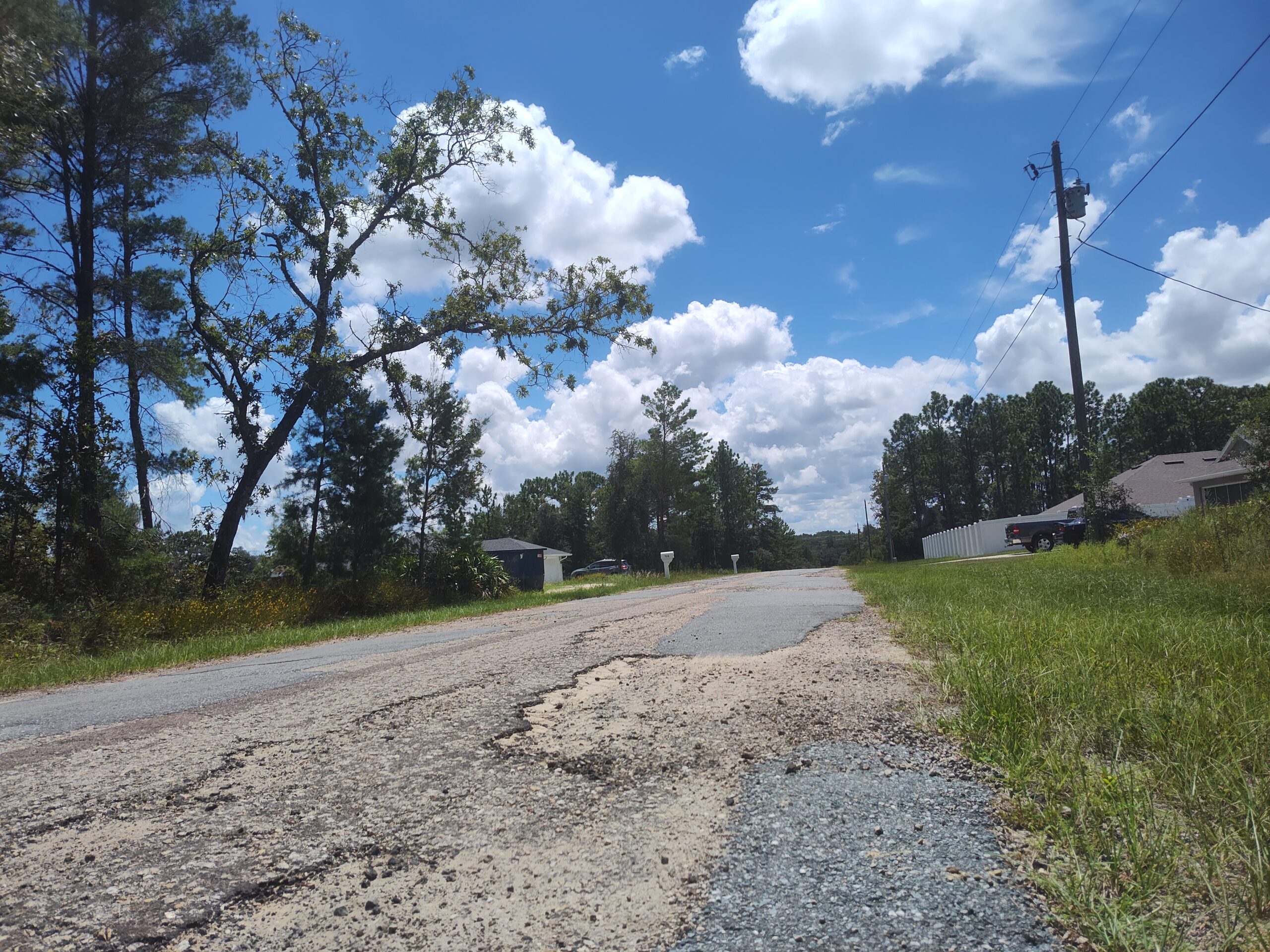
As for how the money should be spent, survey participants overwhelmingly chose road resurfacing and repair as the top priority.
The steering committee recommended Commissioners approve a 1% sales tax referendum with all the money collected for road improvements.
County Commissioners in October reached consensus to do just that. They supported Commissioner Jeff Kinnard’s idea to set the tax at four years, giving the county time to establish a track record of projects, then asking voters later to extend the tax.

Commissioner Holly Davis, however, had a different idea that caught traction in December. Commissioners delayed a vote on setting the referendum to allow time for the North Florida Land Trust to conduct a “greenprinting” survey of Citrus County.
Davis said the survey, aimed at targeting land for conservation, is unrelated to the sales tax. North Florida Land Trust will be paid $43,000 from private donors for the survey, which is expected to the county by March 31.
Simultaneously, the Trust for Public Land is polling to determine what uses voters would support for a sales tax.
Commissioner Janet Barek said she doesn’t know why the county wants to ask voters their views on the sales tax when the chamber survey showed support for road resurfacing.
“I can’t see supporting something that will take us down a rabbit hole,” she said.
Davis disagreed.
“We need to know what the voters want,” she said.
Road repair and capacity is among the county’s biggest challenges. A consultant’s report said the county has $714 million in unfunded road needs. It now spends about $16 million annually on roads.