Politics
Here are 10 under-the-radar Florida political stories to watch in 2026
Not every consequential political fight in Florida comes with a campaign slogan or a cable-news chyron. Some of the most impactful debates unfold quietly — think budget spreadsheets, court dockets and agency rulemaking workshops rather than lengthy floor debates and reams of speaker cards.
As the 2026 Legislative Session approaches, several issues are taking shape just outside the spotlight, with the potential to shape policy, spending and power long after the hanky drops in March (please, let it be March).
From simmering legal questions and structural funding gaps to an overfull statewide ballot and an ever-expanding culture war battlefield, here are 10 under-the-radar issues worth keeping tabs on as Florida heads into the final year of the DeSantis era.
Are license plate decals going away?
The need to keep that little yellow registration sticker on your license plate up to date may be going the way of the dinosaurs, courtesy of legislation recommended by the Clerk of Florida’s most populous county and lawmakers from there.


Miami-Dade Clerk Dariel Fernandez has called for getting rid of the stickers, which he says are unneeded, outdated and, in some cases, counterproductive, since they can fade, peel or get stolen. Doral Sen. Ana Maria Rodriguez and Miami Lakes Rep. Tom Fabricio have filed twin bills to nix the requirement for the tag, which would see Florida join other states like Connecticut, Pennsylvania and Vermont in going fully digital.
In Miami-Dade alone, Fernandez said, the change — which Gov. Ron DeSantis supports — would save the county $2.5 million in expenses. It seems like a no-brainer layup for policymakers in a state hyper-focused on cutting wasteful spending.
A “Free kill” repeal is once more advancing, but what’s to stop it from dying again?

Last Session, lawmakers finally did what political observers long thought they’d never do: pass legislation repealing a unique Florida law that blocks the award of noneconomic damages — grief, loss of companionship and the like — in cases of lethal medical negligence if the victim is 25 or older, unmarried and without children under 25.
It was a massive win for surviving family members who’d previously had limited recourse after losing a loved one. Then the Governor stepped in and vetoed the measure, sponsored by Fort Pierce Rep. Dana Trabulsy and Orlando Rep. Johanna López, citing its lack of caps on lawsuit awards as inviting efforts at “jackpot justice.”

Trabulsy and López remained undeterred. They again filed legislation for the 2026 Session to overturn the 35-year-old law critics call “free kill,” and the measure has already advanced to the House floor.
But its future is uncertain. The upper-chamber sponsor of last year’s legislation, Jacksonville Sen. Clay Yarborough, confirmed he will not carry the bill again, and no replacement sponsor has stepped up. That alone isn’t a death sentence for the measure, which currently contains no award caps. However, the bill still must escape DeSantis’ veto pen, and without caps, it’s unlikely it will.
The Special Election for Marco Rubio’s U.S. Senate seat may be a sleeper.

At first blush, it may seem hard to believe that a contest of Rubio’s powerful seat in the Senate would fly under the radar. But with several other high-profile statewide contests coming in 2026 — including races for Governor, Attorney General, CFO and every congressional office — Republican Sen. Ashley Moody’s bid to keep her appointed post may be a sleeper.
It’ll also depend on who challenges her. So far, the Democratic field of four candidates includes former Brevard School Board member Jennifer Jenkins and Joey Atkins, who previously challenged U.S. Rep. Mario Díaz-Balart. Pardoned Jan. 6 rioter Jake Lang is among four GOP Primary candidates.
Other rumored or confirmed to be mulling runs include U.S. Rep. Jared Moskowitz, Jacksonville Rep. Angie Nixon and former National Security Council official Alexander Vindman — all Democrats.
Renewed push to ban Pride flags follows the erasure of rainbow road designs
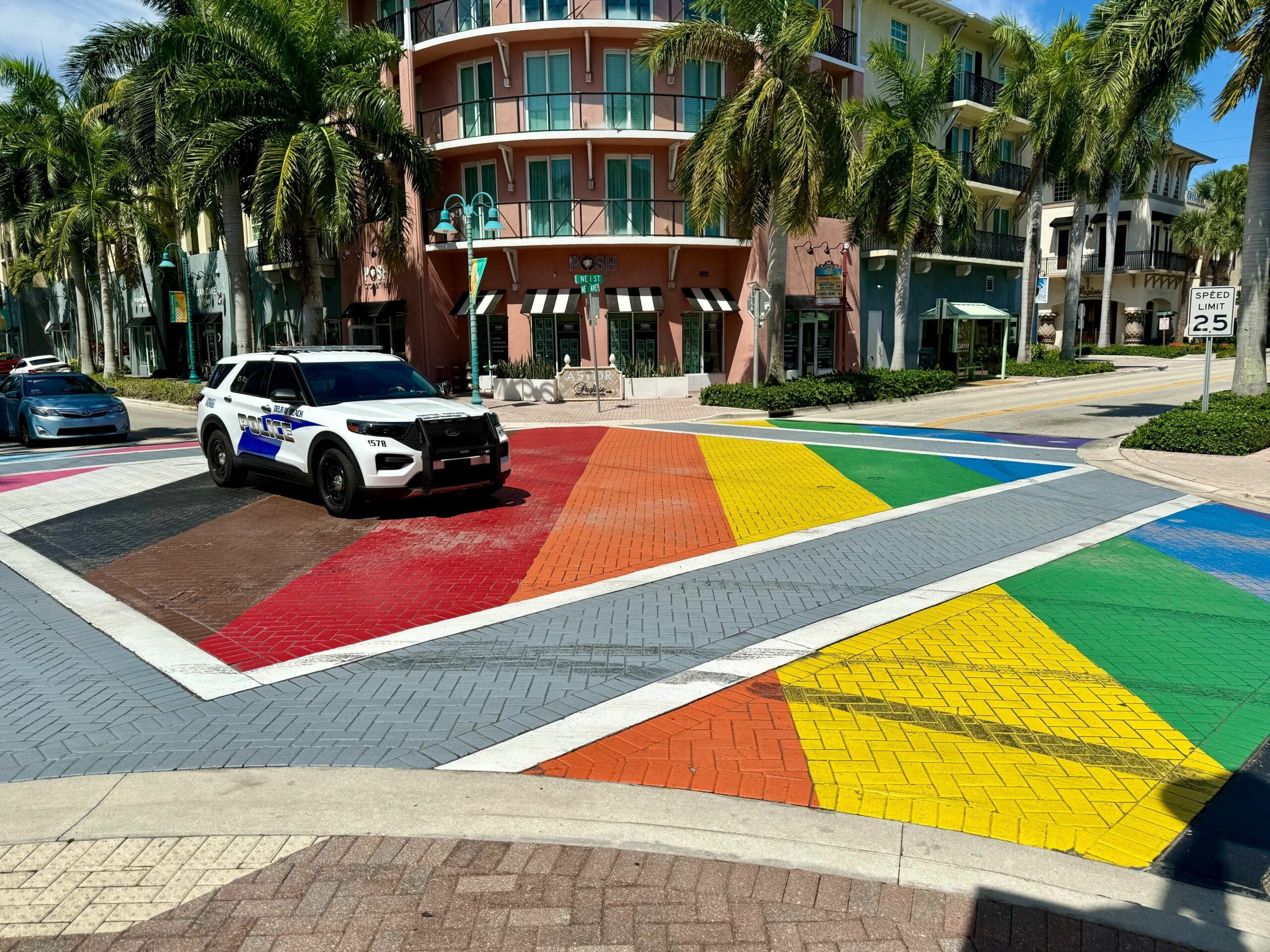
Last Session, a push by then-Sen. Randy Fine and Reps. David Borrero and Berny Jacques’ proposal to ban Pride flags and other banners with a “political viewpoint” from public buildings failed to cross the finish line. In the upcoming Session, we’ll see whether the erasure of numerous rainbow street designs that could have been used as actual finish lines informs lawmakers’ treatment of a renewed push to ban the flags.
The Florida Department of Transportation painted over rainbow crosswalks across Florida, including in Boynton Beach, Miami Beach, Orlando, St. Petersburg, West Palm Beach, as part of an effort to rid roads of “political ideologies.”
Now, lo and behold, Borrero and Yarborough are back with legislation to prohibit the flags. This time, they have concrete — pun intended — precedent to support their effort.
The CAIR lawsuit could define boundaries of gubernatorial power

Gov. Ron DeSantis didn’t flinch when the Council on American-Islamic Relations sued Florida over his executive order labeling CAIR a terrorist organization. In fact, he welcomed it, framing the case as a vehicle for discovery that could expose the group’s funding sources.
CAIR, which has never been designated a foreign terrorist organization by the federal government, argues the order violates due process, free speech, and federal authority over terror designations.
The lawsuit tees up a constitutional showdown with implications well beyond CAIR itself: whether a Governor can unilaterally impose sweeping punitive restrictions on an American civil rights organization without criminal findings or judicial review.
With Texas taking similar steps, Trump 2.0-era signals about Muslim Brotherhood designations, and Florida lawmakers hinting at codifying the policy, the case could become a quiet but consequential test of state-level executive powers.
Florida’s forensic mental health bed shortage isn’t going away.

For decades, Florida law has required that criminal defendants deemed incompetent to stand trial be transferred from jail to a mental health treatment facility within 15 days. In practice, that deadline has become largely theoretical.
Commitments to state treatment facilities have surged since 2020, but bed capacity has grown far more slowly. The result is a persistent backlog of hundreds of mentally ill defendants waiting months in county jails — often without appropriate treatment — despite repeated warnings from judges, advocates and the Department of Children and Families itself that the system is underfunded.
What makes the issue particularly sticky is that the gap is both well-documented and longstanding.
DCF routinely requests tens of millions of dollars more than lawmakers ultimately appropriate to expand or sustain bed capacity. For fiscal year 2025-26, the agency sought $95.4 million in recurring general revenue to “sustain and support” bed capacity. Yet, the budget signed by DeSantis included only $78.6 million, of which $19.6 million was cleared for immediate release.
The mismatch is already a structural feature of Florida’s criminal justice system, and with population growth accelerating and demand rising faster than infrastructure, it’s a problem that won’t solve itself. Expect it to keep simmering in the background until lawmakers intervene or, more likely, it boils over.
Wildlife Corridor, land conservation remains a battleground
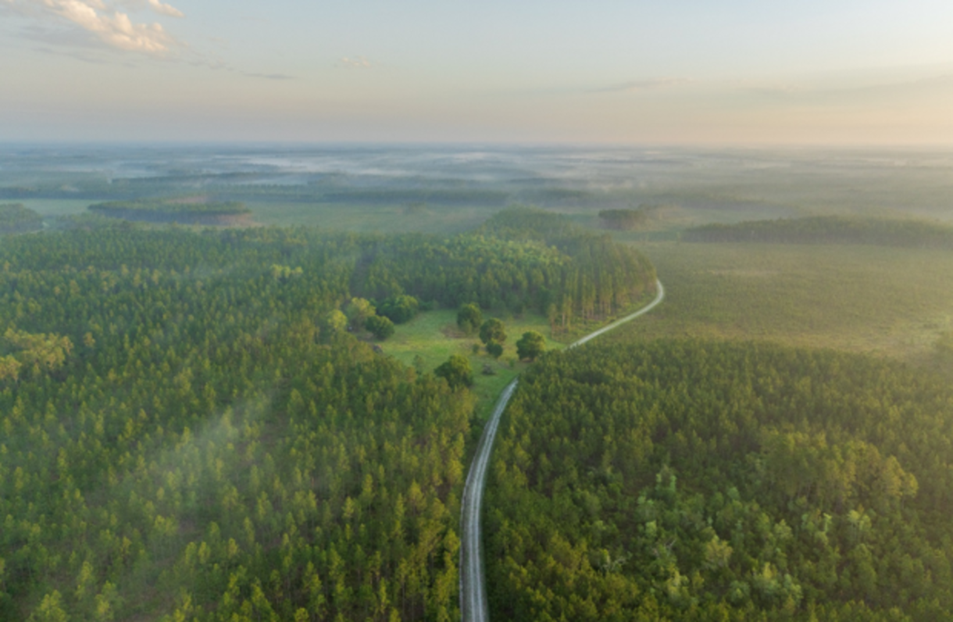
Florida leaders across parties continue to tout land conservation and environmental stewardship, but the funding and policy signals beneath the surface tell a more complicated story.
The Florida Forever program, long the backbone of the state’s land acquisition efforts, survived this year largely through an 11th-hour sprinkle from the Senate. That precarious funding posture has become familiar in recent Sessions, despite the ballot-tested and voter-approved expectation that hundreds of millions of taxpayer dollars flow to conservation annually.
At the same time, lawmakers are experimenting with new models that could reshape how conservation happens going forward. Proposals like the “Blue Ribbon” project framework, which would rely more heavily on large private landowners to preserve vast tracts without direct state purchase, have gained early traction but have received mixed reception—supporters frame it as smart growth and fiscal restraint; skeptics worry about local control and unintended sprawl.
Overlay that with a Governor who continues to highlight land protection in budget messaging (he wants $115 million for Florida Forever and $200 million for conservation easements next fiscal year) and the result is an unresolved tension between preservation, growth and cost. With property tax relief poised to dominate the next Session’s ways-and-means debates, land conservation is likely to reprise its role as pawn in Florida’s budget fights.
Schools of Hope takeover
How will Schools of Hope shake up School Districts, or will the Legislature bring new reforms to protect public schools from being taken over? That remains a significant issue to monitor in education in 2026.
School districts across the state begin receiving formal notices in Fall 2025 identifying campuses targeted by charter schools.
New rules allow charter schools to take over space rent-free in traditional public school buildings, which school choice advocates argue is a way to use schools with declining enrollment. DeSantis has also downplayed Schools of Hope, saying it is for communities with “the least-advantaged students and in areas where a lot of people say it’s not even worth trying.”
But school superintendents are pushing back and warning Schools of Hope will drain their resources and have significant consequences.
Sarasota County Schools Superintendent Terry Connor said having charter schools co-locate inside his buildings could cost hundreds of thousands of dollars annually.
“When you look at the Schools of Hope and the fact that they’re going to co-locate on district-managed property and will be subsidized by the funding that is earmarked for district-managed schools, I don’t think that’s an example of school choice that we would want here in Florida,” Connor told WUSF.
Sen. Darryl Rouson, a St. Petersburg Republican, filed legislation to repeal Schools of Hope in the 2026 Legislative Session.
“By eliminating language requiring colocation in public schools, we are ensuring schools do not face the unintentional consequence of an unfunded mandate, and that students can continue thriving in their schools without losing access to spaces they need for academic success,” he said in a statement.
Futuristic commute?

Could 2026 be the year we finally avoid Interstate 4 traffic by flying in the sky? An airborne Uber, if you will.
Gov. Ron DeSantis announced vertiports – almost like a helicopter, minus the propeller, that go up and down – are in the early stages of construction and coming to the Sunshine State.
“This will be the nation’s first advanced air mobility test track, and it will have dedicated airspace,” DeSantis said at a 2025 news conference. “Florida’s going to be a place where it’ll be a testing ground for this new technology.”
Each vertiport could carry about four passengers and travel up to 60 miles.
To prepare for the new technology, the state is expanding its FDOT SunTrax testing facility in Polk County’s Auburndale, initially built for autonomous-vehicle testing and to develop guidelines for local governments on zoning.
We will have to wait for 2026 to find out more details, including a timeline for opening and the price point for customers. Still, state officials described a Florida future that resembled “The Jetsons” or “The Fifth Element” to excite us about what flies ahead.
Dot your I’s, Cross Your T’s
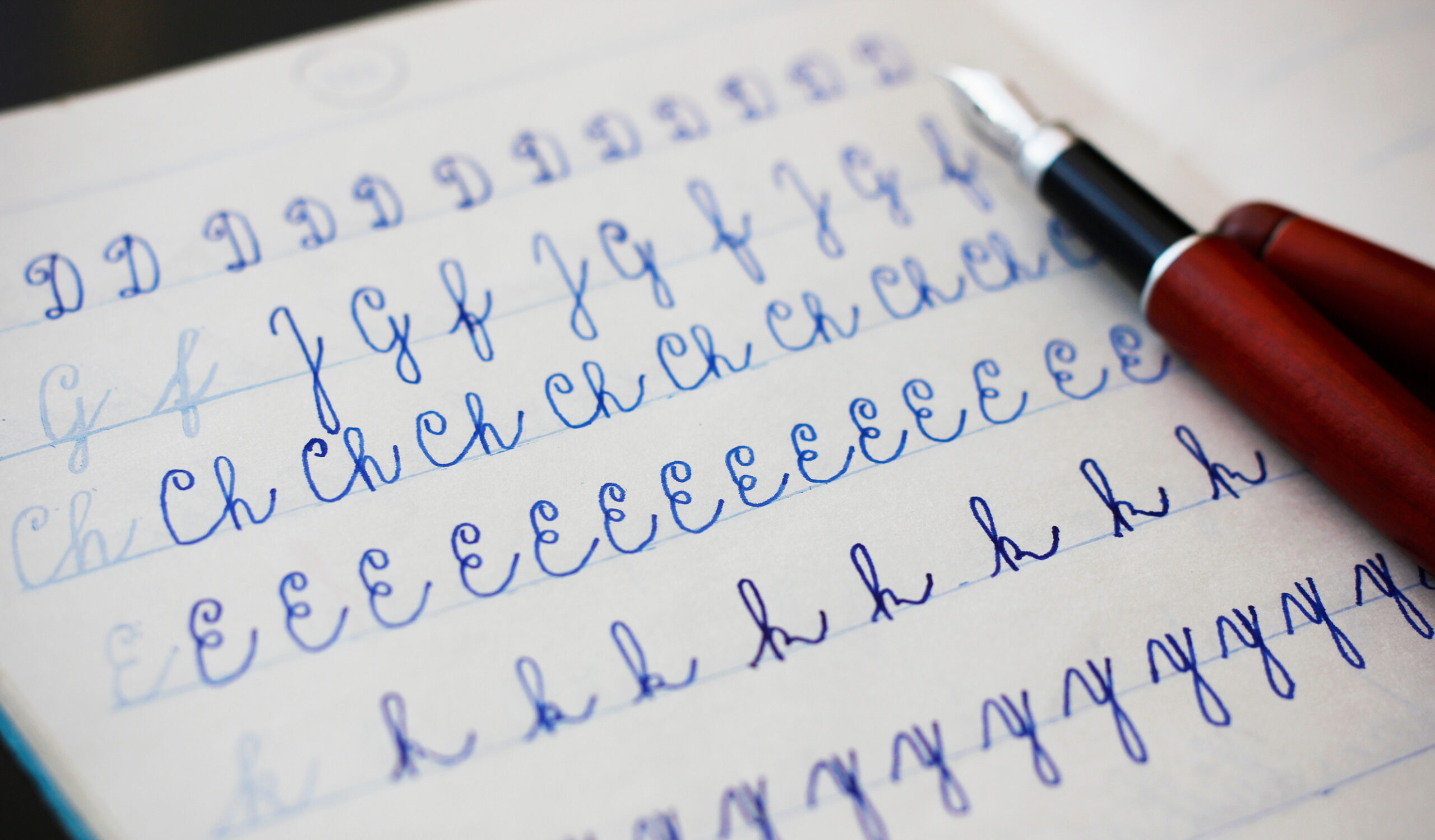
Will your kids finally be able to read Grandma’s letter?
Yes, if the Florida Legislature has its way.
Sen. Erin Grall and Reps. Toby Overdorf and Dana Trabulsy filed bills to require elementary students to learn cursive and be tested in fifth grade to demonstrate proficiency in writing uppercase and lowercase letters.
If the Legislature passes the measure, it would take effect before the start of the 2026-27 school year.
“If our students can’t read cursive, they can’t read the Declaration of Independence, the U.S. Constitution or even a grandparent’s handwritten letter,” said Overdorf, a Palm City Republican, during Fall 2025 Committees.
Added Rep. Yvette Benarroch, “I am a fan of cursive. So my question to you is, does this bill make cursive great?”
___
List compiled by Gabrielle Russon, Jesse Scheckner and Drew Wilson.