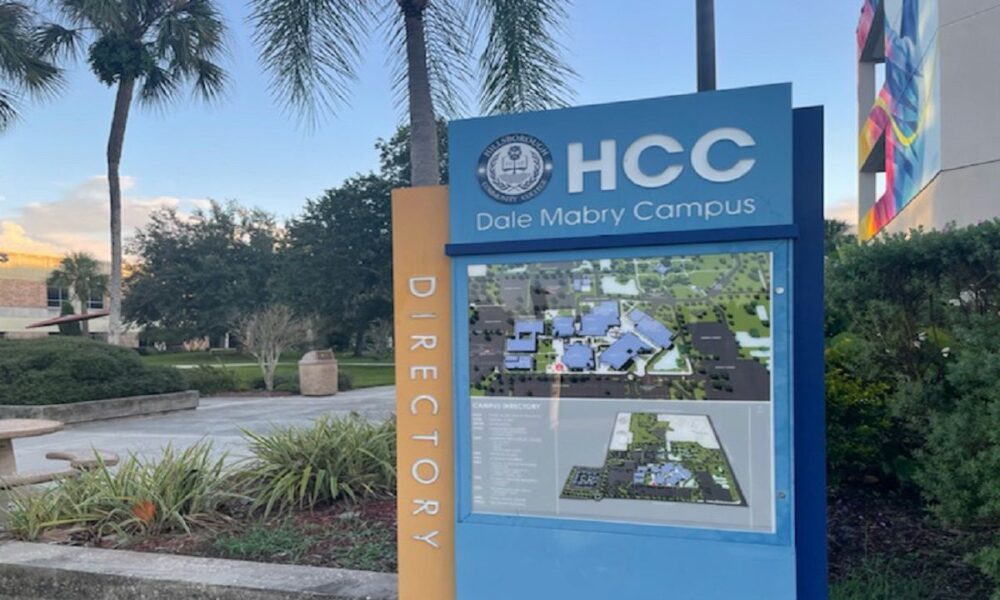
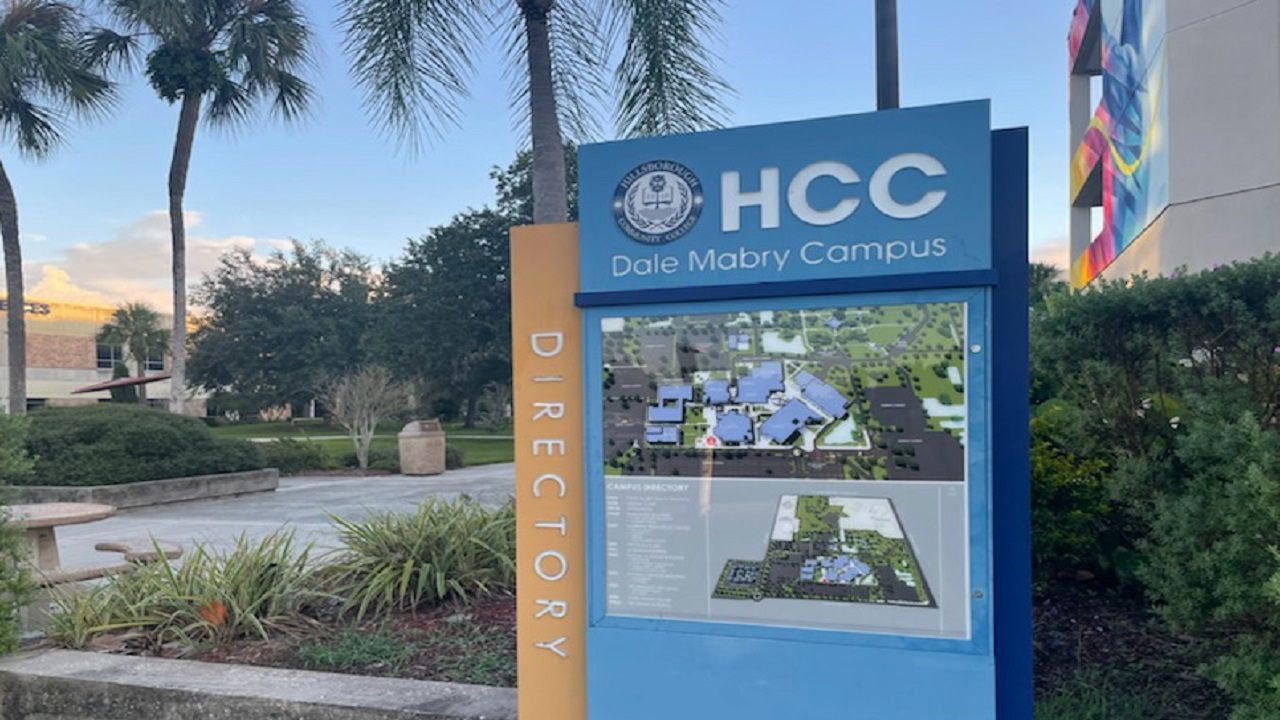
Speculation around the Tampa Bay Rays’ stadium search intensified after reports that the Hillsborough Community College Board will meet to discuss land matters. The meeting comes as the Rays explore more than 100 acres at the Dale Mabry campus for a new stadium and entertainment district. Local news outlets report that the site has emerged as a leading candidate for the team’s long‑term home. The Rays’ new ownership group wants a modern stadium and a mixed‑use district similar to The Battery in Atlanta. The Dale Mabry land offers rare size and central access in Tampa. The campus sits near major roads and existing sports venues. That combination makes the site extremely attractive for large development.
State Approval Required for Any HCC Relocation
HCC cannot sell the land without a detailed relocation plan. The college is part of the Florida College System and must follow strict state rules. Any relocation requires approval from the HCC Board of Trustees and the Florida Department of Education. The state may also require legislative involvement due to the campus size. Local reporting confirms that the board must identify a new campus location before any sale proceeds. The Dale Mabry campus includes classrooms, labs, parking areas, and student services. Those facilities cannot be removed without a replacement campus. The process would require a full transition plan to avoid disrupting academic programs. The state historically demands equal or improved facilities for relocated colleges.
Where Would HCC Relocate?
The state will want HCC to remain close to the current Dale Mabry location. The campus serves major programs that require stable access for thousands of students. A new HCC campus would need a central location that protects student access and program stability. The Westshore area offers the strongest combination of roads, transit, and workforce partnerships. The district sits close to the current Dale Mabry campus, which helps reduce disruption for students and faculty. Westshore also provides strong connections to major employers, which supports HCC’s technical and health programs. The area includes several older office parks that could be redeveloped into a modern academic center.
A site near Tampa International Airport could also work for HCC. The area east of the runways includes commercial parcels with redevelopment potential. These sites offer strong access to Veterans Expressway and State Road 60. They also sit close to major employment zones that support HCC’s workforce mission. Noise and height limits would require careful planning, but the area remains a realistic option.
The Columbus Drive and Lois Avenue corridor offers another possible location. This area sits between Westshore and downtown and includes land with redevelopment potential. The corridor provides strong transit access and lower land costs than core Westshore. It may require parcel assembly, but it remains a viable alternative for a new campus. The location keeps HCC close to its student base and major transportation routes.
Height Restrictions Add Another Layer of Complexity
The campus sits inside Tampa International Airport’s height‑restricted zone. Any new stadium or mixed‑use towers must comply with aviation rules. WTSP reports that the area includes strict height limits due to flight paths and safety corridors. Developers would need permits from the Hillsborough County Aviation Authority. Stadium designers must consider roof height, lighting structures, and surrounding buildings. These restrictions could shape the final design of the entertainment district. The Rays would need early coordination with airport officials to avoid delays.
A Battery‑Style District Could Transform the Area
A stadium village on Dale Mabry could reshape Tampa’s sports corridor. The site sits near Raymond James Stadium and Steinbrenner Field. Much of the needed infrastructure already exists around the area. Roads, parking, and utilities could reduce public costs for the project. A mixed‑use district could include hotels, restaurants, apartments, and retail. The Rays want a year‑round destination that generates revenue beyond baseball games. The location offers strong potential for a regional entertainment hub.
Silence From Officials Suggests the Site Is a Serious Contender
Local media note that no one from the Rays, the City of Tampa, or Hillsborough County is discussing the HCC meeting publicly. That silence has fueled speculation that the Dale Mabry campus is the leading stadium site. If the Rays secure the land, this could be the first major step in the stadium process. The location’s proximity to existing sports venues strengthens its appeal. The area could become a powerful sports and entertainment district with shared infrastructure. The lack of public comment suggests negotiations may already be underway. Many observers believe the HCC site is now the most likely home for the new Rays stadium.