
Politics
Gov. DeSantis signs sweeping land-use bill curbing local zoning control
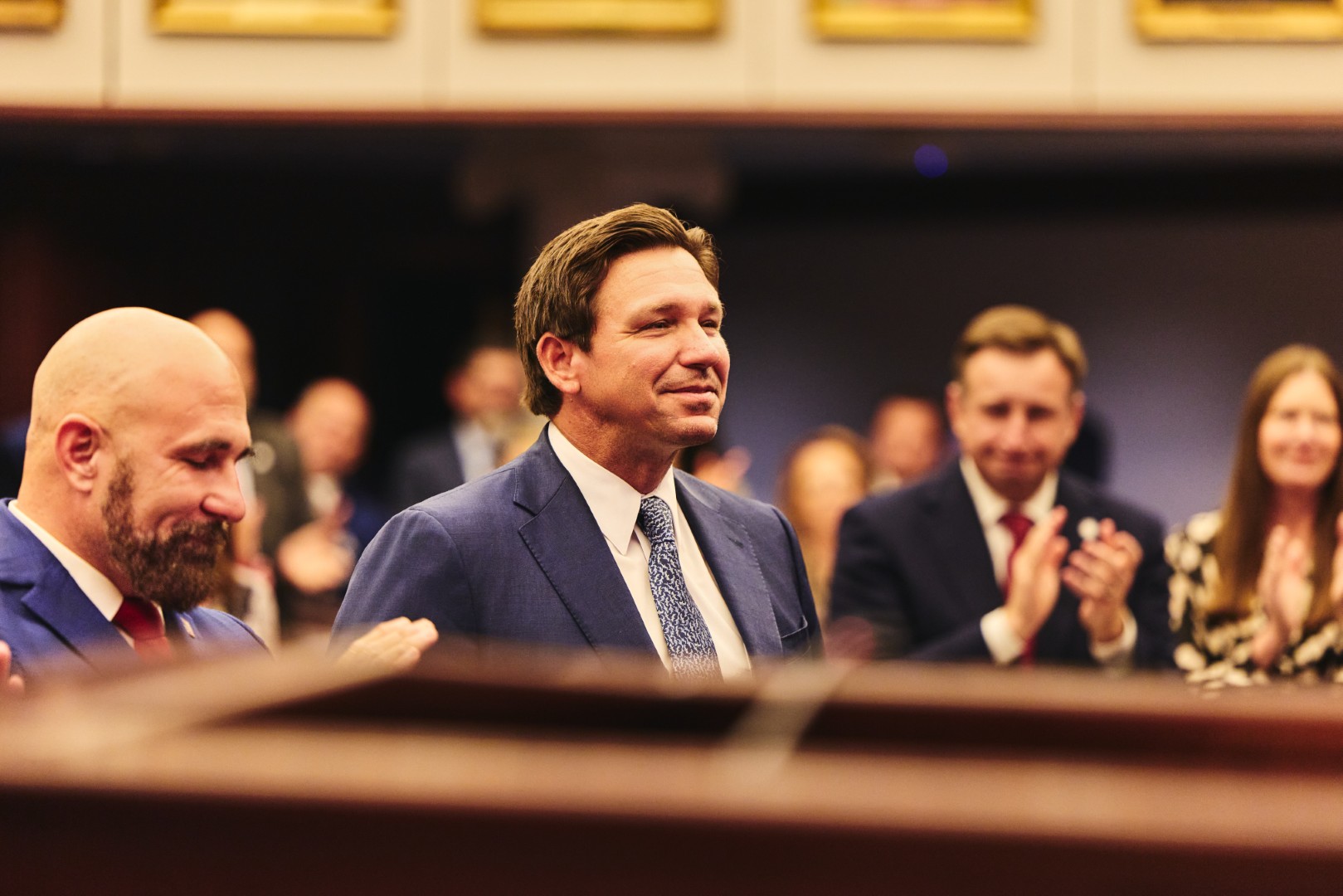
A wide-reaching land-use proposal curbing the control local governments have over development decisions within their jurisdictions is now law, courtesy of Gov. Ron DeSantis’ pen.
The Governor signed the measure (HB 399), one of the first bills passed in the 2026 Session to be sent to his desk this month, roughly an hour before Floridians left work for the weekend.
Sponsored by Hialeah Republican Rep. David Borrero, HB 399 is part of a broader push by state leaders to preempt local zoning authority to spur housing construction.
Lawmakers approved the bill largely along party lines after contentious debate in both chambers of the Legislature, though several Republicans crossed the aisle to vote against it.
Borrero pitched the proposal as a way to address the Sunshine State’s affordable housing shortage that also includes the repeatedly updated Live Local Act first passed in 2023.
HB 399, effective Friday, requires local governments to tie development fees to the actual cost of project review, adopt more objective standards for evaluating whether projects are compatible with surrounding areas and provide written justifications when denying proposals.
It also directs cities and counties to identify potential conflicts earlier in the review process and suggest ways to resolve them, rather than outright rejecting applications.
But the measure also contains a controversial provision that would create a pathway for certain “large destination resorts” — including a planned pool deck overhaul at the Fontainebleau hotel in Miami Beach — to bypass traditional local review processes.
Efforts by Miami Gardens Democratic Sen. Shevrin Jones to strip that language through a Senate floor amendment failed, though lawmakers added a sunset date of 2030.
Supporters of the bill, including business groups and Senate sponsor Stan McClain, argued it will provide more housing inventory by reducing regulatory barriers.

Borrero said local rules are inflating costs and limiting supply, while McClain framed the measure as a way to bring predictability to land-use decisions while protecting property rights.
Democratic opponents warned the bill represents an erosion of home rule, with Sen. Carlos Guillermo Smith of Orlando describing it as a “sweeping change to Florida’s growth management system.”
Notably, Senators excised particularly contentious provisions that would have advanced efforts to build beyond Miami-Dade County’s Urban Development Boundary, which safeguards the Everglades, and lowered the vote requirement for comprehensive plan amendments to a simple majority, overriding supermajority thresholds some counties like Orange have adopted.
Miami Beach officials have been particularly outspoken, arguing HB 399 would allow developers to sidestep public input and local oversight.
“This bill egregiously interferes with our residents’ right to public input,” said Commissioner Alex Fernandez, who is urging legal action if the measure becomes law.
Earlier this month, the Miami Beach Commission approved a resolution requiring the City Attorney to confer with Mayor Steven Meiner on whether to pursue litigation challenging the measure.
The panel also OK’d related resolutions urging DeSantis to veto HB 399, direct city officials and representatives from the Mid Beach Neighborhood Association to negotiate with the Fontainebleau on the proposed water park and have the city’s lobbyist notify the Governor’s Office of those efforts.