
Politics
Gov. DeSantis calls fractured Legislature to focus on property tax cuts

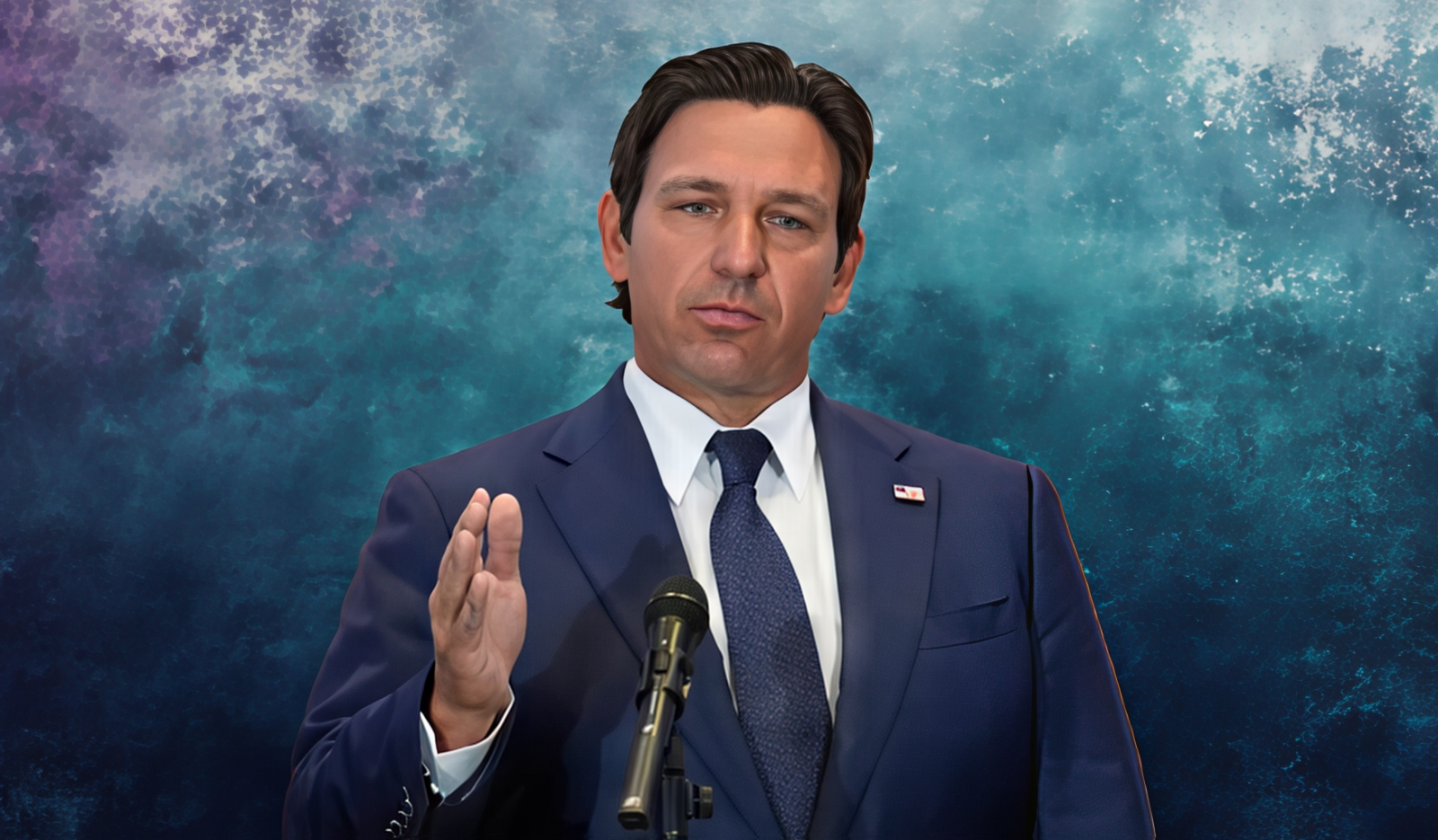
Republican Gov. Ron DeSantis used most of his final State of the State address to talk about what he’s accomplished in his first seven years. Then he turned toward his most ambitious goal of his last year in office: reducing the property taxes he says “squeeze” Floridians.
While DeSantis described Florida as the most tax-friendly state in the nation, and emphasized his oft-repeated celebration of the state’s lack of income tax, he also said local governments’ property tax revenue has risen from $32 billion to $56 billion over the last seven years.
“While we have fulfilled our promises, we have more time and we need to make the most of it,” DeSantis told lawmakers as they opened their 60-day Legislative Session.
With consequential U.S. Midterms approaching, and his own future plans unknown after he leaves office next January, the Governor steered away from addressing upcoming elections. Instead, his wide-ranging speech focused on the state’s successes under his leadership and his future plans for property tax cuts and AI restrictions.
“We have residents that are locked into their homes, because they can’t afford the taxes on a new residence,” he said. “Others have been priced out of the market entirely.”
DeSantis is pushing the Legislature to put a measure slashing these taxes on voter ballots in November. Although lawmakers began with eight proposals to tackle the issue, only one is now ready for a full House vote.
Critics say the initiative will harm local government programs and public schools, which rely on property tax funding to operate — especially on rural and inland municipalities.
Democratic leaders criticized the Governor’s emphasis on property taxes following the speech. State Sen. Shevrin Jones dismissed the rhetoric as “something to go on billboards and bumper stickers,” not a real way to help rural communities. It’s a perspective he said people share across the aisle.
“There are people within the Governor’s own party who understand that the Governor’s speech was not popular,” Jones said. “You can see his own party didn’t stand up for that property tax, because they know it is detrimental for their own community.”
But Democrats, who make up just a little over one-fourth of both the Senate and House, have little power in a Legislature dominated by the Republican supermajority.

Meanwhile, Republicans are increasingly divided. During last year’s Legislative Session, which turned from a 60-day to 105-day affair, House and Senate leaders clashed over tax breaks and the budget. The Governor tended to side with the Senate; Tuesday, he didn’t shake House Speaker Daniel Perez’s hand.
Both Senate President Ben Albritton and Perez referenced the contentious 2025 Session during their own opening speeches Tuesday, saying last year went “differently than most expected” and was “full of surprising twists and turns,” respectively. However, the two embraced twice at the beginning of the joint session prior to the Governor’s speech.
Senate Democratic Leader Lori Berman said the splintered nature of the Legislature will only delay pressing affordability issues facing Floridians. The Governor gave no concrete ideas to address affordability during his speech, she said.
Berman and other Democratic leaders are pursuing an “affordability agenda” targeting issues like property insurance and whistleblower protections.
“I think the Republicans are fractured,” she said in a news conference following the speech. “I think we see the Governor is focused on himself … and we’re focused on trying to move forward Florida and affordability, but I think that their fractures are going to result in a session that’s going to be unpredictable.”
Despite the seemingly tense nature of the Legislature, several points of DeSantis’ speech brought all Republicans in the room to their feet in applause — while a reference to recently elected New York City Mayor Zohran Mamdani as a “Marxist Mayor” brought a hushed wave of boos.
The floor cheered as DeSantis described his strides toward eliminating diversity, equity and inclusion initiatives in higher education. He also touted the state’s efforts to enforce laws regarding undocumented immigration, including banning sanctuary cities and the 20,000 undocumented immigrants he said the state has apprehended in the past nine months.
“Our people are safer because of these efforts,” he said.
Florida eliminated a decade-old in-state college tuition breaks for undocumented students, known as Dreamers, at the start of the last Legislative Session.
In a news conference after the speech, House Democratic Leader Fentrice Driskell criticized the Governor’s comments on immigration, made just a week after an Immigration and Customs Enforcement (ICE) agent in Minneapolis shot and killed U.S. citizen Renee Good.
“When you have people crying out that this isn’t what we asked for, to see ICE agents shooting American citizens dead in the street, I think we’ve gone absolutely too far,” Driskell said. “The Governor’s rhetoric doesn’t really help.”
Before ending his speech, DeSantis criticized AI developments, which he said could threaten key parts of the economy. As consumers foot the bill for the cost of power-intensive data centers, he said, the state has a responsibility to ensure new technologies develop morally and ethically.
“The technology may change, the window dressing may be different, but human nature is what it is,” he said. “An AI tool is only as good as the data that is inputted — garbage in, garbage out.”
DeSantis’ speech also contained notable omissions — including the state’s next race for Governor and its role in the U.S. Midterm Elections.
Florida’s impending gubernatorial election is set to be a contentious one. U.S. Rep. Byron Donalds is the Republican front-runner and has secured Donald Trump’s endorsement. DeSantis, meanwhile, has not yet endorsed any candidate as his successor.
Former House Speaker Paul Renner, investor James Fishback and Lt. Gov. Jay Collins have also entered the fray on the Republican side, while the Democratic front-runners are former U.S. Rep. David Jolly and Orange County Mayor Jerry Demings.
DeSantis also steered clear of discussing redistricting ahead of the Midterms. Republicans are looking to Florida as a key redistricting stronghold. The state could yield three to five additional Republican seats, a big enough number to swing control of the House. The Governor has announced a Special Session on redistricting in April, after the Regular Session ends.
Perez previously described DeSantis’ decision to delay redistricting until after the Regular Session as “irresponsible.” He said in a press conference Tuesday he doesn’t yet know whether he’ll try to push redistricting plans before April.
“It’s a conversation that we’re going to start,” he said. “If we’re able to do something during Session, great, if we do it during Special Session, great.”
Perez also said he noticed the Governor’s refusal to shake his hand. Someone stopped him after he got off the rostrum to say they’d never seen anything like the handshake snub during many decades working in the chamber, Perez said.
Regardless, he said DeSantis’ personal opinion doesn’t change the mission of the House.
“Whether the Governor wants to be petulant and not shake the hand of a partner, that’s on him,” Perez said. “It’s not going to change our direction.”
___
This story was produced by Fresh Take Florida, a news service of the University of Florida College of Journalism and Communications. The reporter can be reached at [email protected]. You can donate to support our students here.
Politics
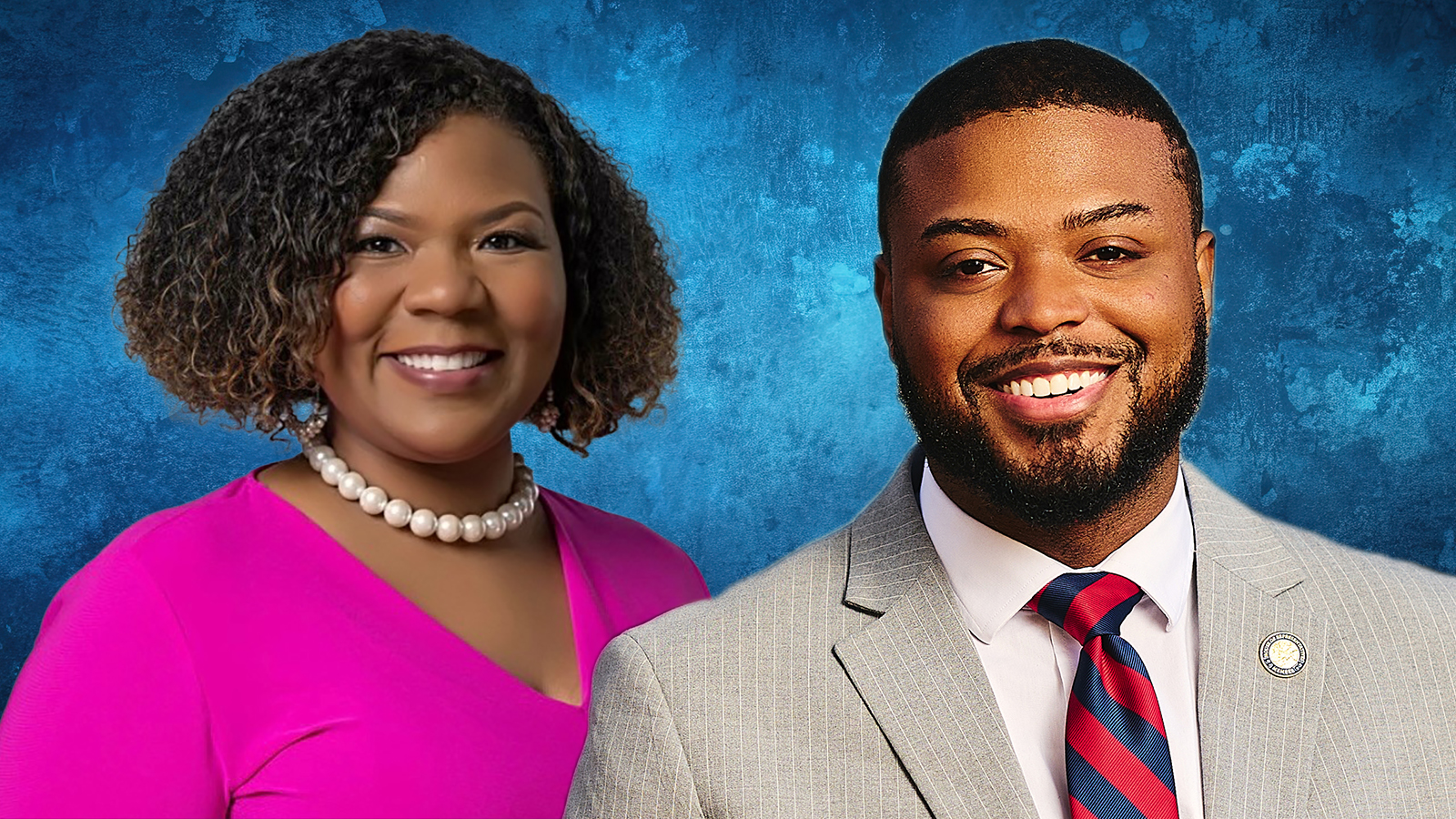
LaVon Bracy Davis, RaShon Young file bills to automatically register eligible Florida voters

Accountability is the Governor’s biggest priority.
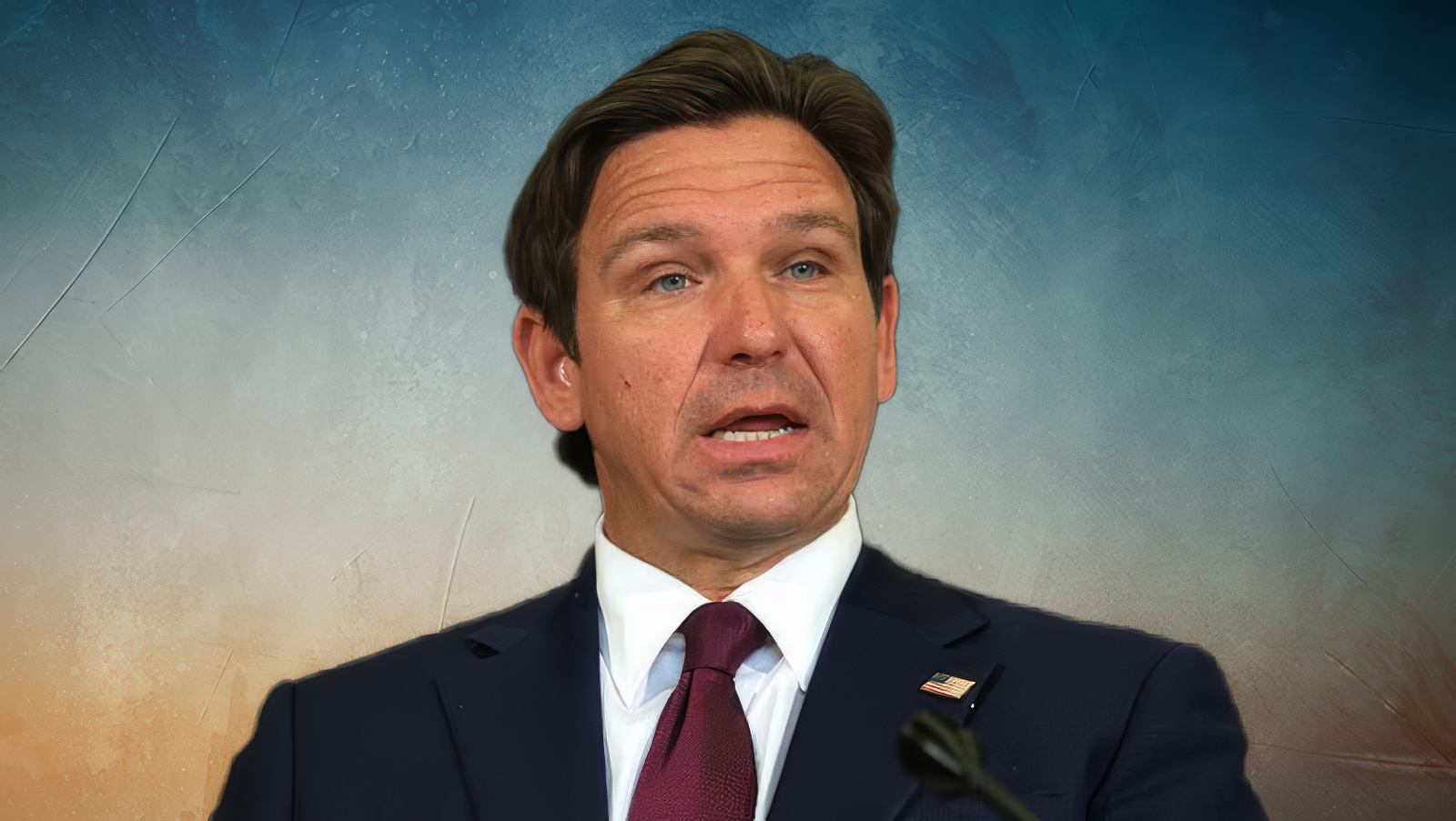
Gov. Ron DeSantis says Florida is “last in line” to bring charges against deposed Venezuelan strongman Nicolás Maduro, clouding previous comments where DeSantis hoped charges would be brought in the Sunshine State.
DeSantis, speaking at Seminole High School, said the matter is “under discussion” in Attorney General James Uthmeier’s Office “but they’re not going to go into it and just do it to do it.”
“If something happens in these federal cases, the state would be last in line, no question,” DeSantis said.
DeSantis suggested that a rogue juror ruling against the federal government in the case brought in the Southern District of New York may trigger that process.
“I think the problem we have with the jury system right now is, like, our society is very politically divided,” DeSantis said.
“You go to a place like Manhattan, it only takes one juror to just say, ‘The hell with this,’ right? You know, maybe they don’t like that the President took him or this or that.”
DeSantis said the jury selection process is “supposed to weed that out,” but added that “it’s not always easy to do.”
The Governor said Florida won’t be “stepping on anybody’s toes” in terms of bringing a case, but will step up if needed.
“All I would say is that if I was Maduro, I would rather have a Manhattan jury than a Miami jury. I mean, I think that’s pretty much a guarantee,” DeSantis said.
Maduro faces charges related to narco-trafficking in New York. DeSantis has suggested that he could be legally liable for releasing prisoners who ended up in Florida as well. But it’s far from a sure thing whether that will happen.



Forget the K-Shape: We have a barbell economy—and the middle class is buckling under the weight

U.S. Marshals Busted Into Timothy Busfield’s N.Y. Home During Manhunt

Bourrienne Paris X, Maison Guillemette, and Maison Lecomte Flament reach DHL Fashion Talent Award final
-

 Politics8 years ago
Congress rolls out ‘Better Deal,’ new economic agenda
-
Entertainment8 years ago
New Season 8 Walking Dead trailer flashes forward in time
-
Politics8 years ago
Poll: Virginia governor’s race in dead heat
-
Politics8 years ago
Illinois’ financial crisis could bring the state to a halt
-
Entertainment8 years ago
The final 6 ‘Game of Thrones’ episodes might feel like a full season
-
Entertainment8 years ago
Meet Superman’s grandfather in new trailer for Krypton
-
Business8 years ago
6 Stunning new co-working spaces around the globe
-
Tech8 years ago
Hulu hires Google marketing veteran Kelly Campbell as CMO