
Politics
GOP Senators want an alternative for Obamacare. What would it look like?
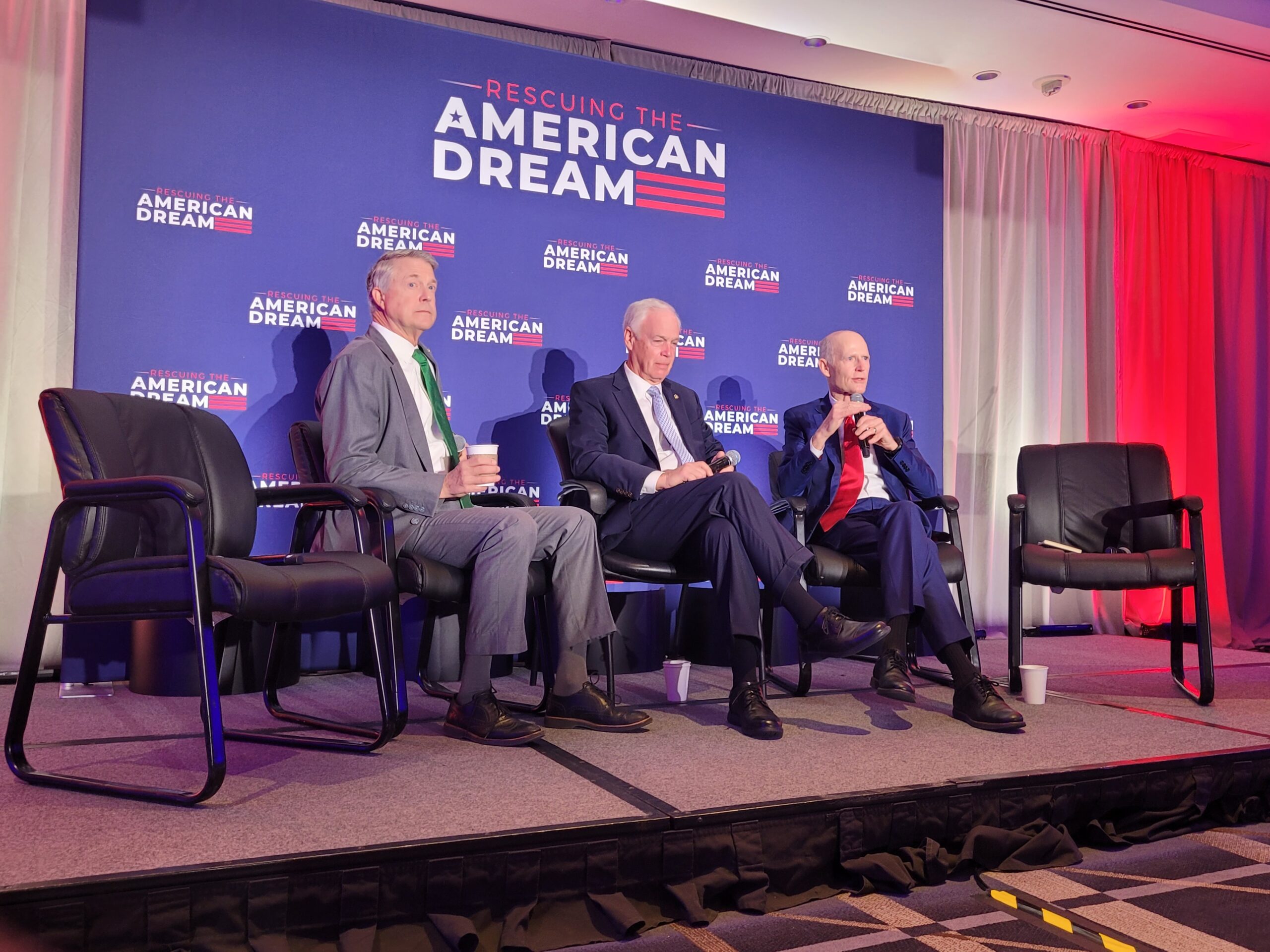
U.S. Sen. Rick Scott kicked off a summit in Washington with a discussion of health care policy as he moves forward with his own legislation to push an overhaul nationwide.
Joined by U.S. Sens. Ron Johnson of Wisconsin and Roger Marshall of Kansas, Scott talked about the need for more of a free market to reduce the costs for Americans.
“Whether you’re trying to buy health care or cars or food or gas or electricity, government involvement has hurt the middle class every time,” Scott said. “What we have got to do is, we’ve got to protect the American dream.”
The comments opened the Rebuilding the American Dream summit.
Marshall touted a price transparency bill. “I absolutely think we should try another reconciliation bill,” he said.
Johnson was more skeptical, and suggested real reform may be difficult until the Senate eliminates the filibuster. Scott said he, too, would support that tactic, and noted that President Donald Trump agrees.
“Trump’s frustrated,” Scott said. “Wouldn’t you be frustrated too, if basically, Congress wasn’t getting the stuff done that you know that we should be doing?”
But specifically regarding health policy, Johnson and Scott both promoted a “right to try” bill requiring coverage for medications and procedures not yet approved by the Food and Drug Administration (FDA). Johnson cited constituent frustration during the pandemic when many weren’t allowed to use drugs like ivermectin when no other treatments were available.
“Now we have right to try signed into law. It’s far from perfect,” Johnson said. “It’s definitely watered down.”
But even though the legislation is limited compared to what Johnson wanted, he said it’s still “quite expansive” overall in allowing patients more choices.

“It has, I think, pushed the FDA to expedite approvals on different things. It saved people’s lives,” Johnson said.
Johnson and Scott also discussed pharmacy benefit management (PBM) plans. Scott noted that when he was chief executive for Columbia/HCA, he dramatically cut expenses by employing such systems. Scott said pharmacy revenue at the company dropped from 22% of HCA’s revenues to 13%. He believes a PBM had the potential to save another $500 million in spending.
But Marshall stressed that pharmaceuticals are only one part of getting the ballooning cost of health care under control.
“Prescription drugs are only 7% of the pie right now of the total spend on health care,” he said. “You could give drugs for free, and you wouldn’t solve health care. It’s big hospitals. It’s the PBMs. It’s the insurance companies that are taking all the money in the system right now as well.”