
Politics
Good defense — gimme shelter — Big Beautiful — sickle cell — monument man
Sunshine State security wins
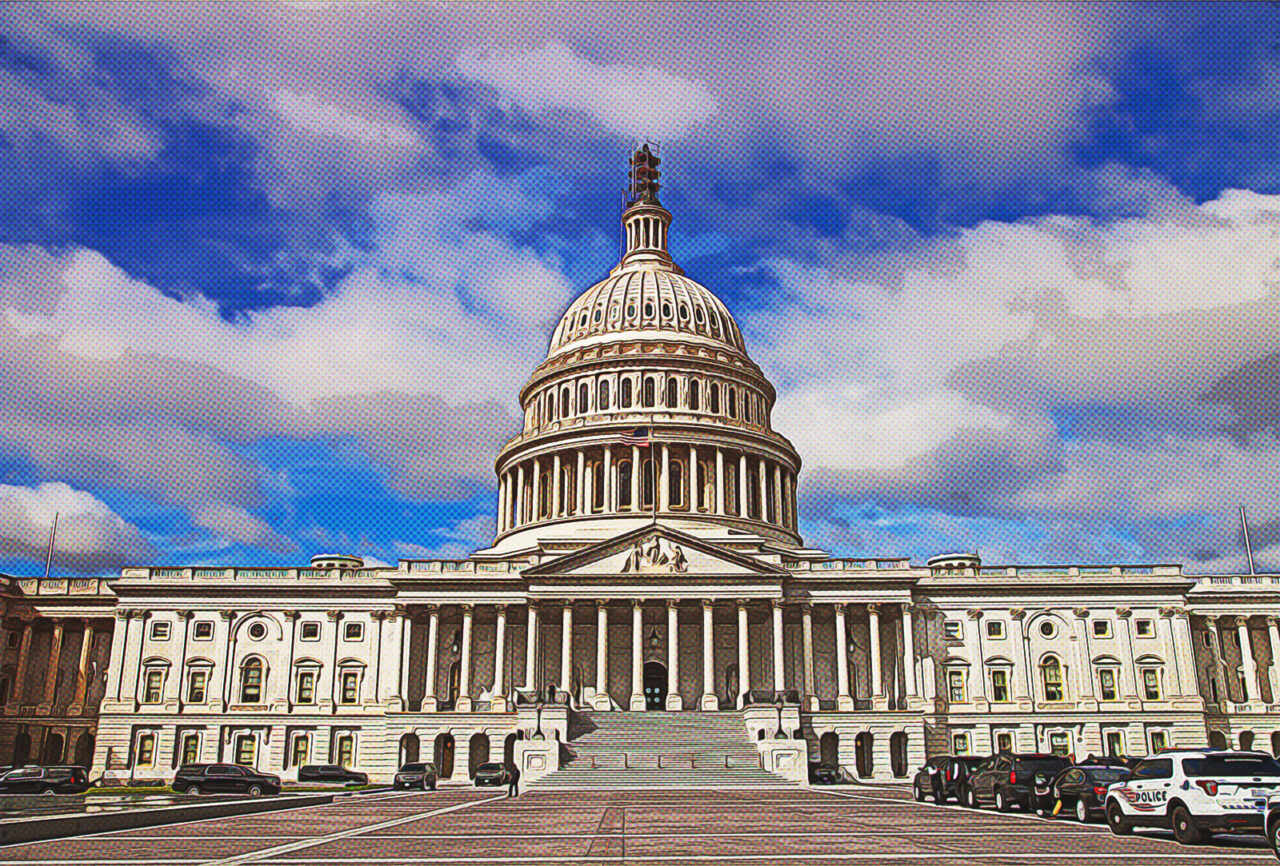
The House passed its version of the National Defense Authorization Act (NDAA). The Defense budget (HR 3838) includes several amendments proposed by members of Florida’s House delegation, including several with direct financial consequences for the Sunshine State.
“Under President (Donald) Trump’s leadership, we are restoring our military’s focus on its core mission of protecting the homeland and revitalizing the American military to defend the national security interests of the United States and its people,” said Rep. Mario Díaz-Balart, a Hialeah Republican.
He noted that the legislative package calls for a 3.8% pay raise for troops and includes $1.4 billion for military housing. He also spotlighted the inclusion of the Streamlining Procurement for Effective Execution and Delivery, which reforms the acquisition process to equip warfighters more quickly.
The bill passed on a 231-196 vote. Every Democrat in Florida’s delegation voted against the measure based on several social policy initiatives. Rep. Anna Paulina Luna, a St. Petersburg Republican, was among four GOP votes against it as well.
But Democrats in the delegation still secured key wins in the legislative package. Rep. Kathy Castor, a Tampa Democrat, introduced two amendments included in the NDAA. One involved a clinic at MacDill Air Force Base.
“The service that the Mighty Medics of the 6th Medical Group provide to their patients is unmatched and they keep our MacDill community safe, healthy, and mission-ready,” she said. “The Sabal Park Clinic, in particular, helps provide important access to our troops and their families, including both basic care and appropriate management of specialty care. I was proud to introduce a bipartisan amendment to preserve access to this critical clinic following threats to close the clinic.”
She also helped pass provisions tying housing allowances to local real estate market values, a critical issue for those stationed in high-priced Tampa Bay.
Rep. Vern Buchanan, a Longboat Key Republican, secured eight amendments in the legislation, touching on topics from glucose monitoring and trauma training to drone warfare technology and refocusing Defense contracting on domestic providers.
“As part of this effort, I was proud to secure eight of my proposals in the bill, including my FORCE-FIT Act to combat obesity and chronic disease in the military,” he said about a pilot program providing Continuous Glucose Monitoring technology. “By improving service member health, we are strengthening our forces, lowering long-term health costs and upholding the warrior ethos of being fully ready to fight and win.”
Meanwhile, Rep. Jimmy Patronis, a Fort Walton Beach Republican, pushed for an end to preferential treatment for electric vehicles over gas-powered ones.
“As a former State Fire Marshal and someone who represents a district with multiple military installations along the Gulf Coast, I know firsthand the importance of reliable, safe vehicles for our service members,” Patronis said. “Electric vehicles, when exposed to saltwater, can experience dangerous runaway battery fires. That’s not a risk we can afford on coastal bases that are critical to America’s readiness.”
Overall, Rep. Scott Franklin, a Lakeland Republican, said the NDAA will improve military readiness while keeping the Defense Department ready for conflict around the globe.
“China’s accelerating military buildup and the aggression of Iranian-backed terrorists in the Middle East highlight why America must pursue peace through strength on the world stage. This NDAA restores focus on lethality,” he said.
“It strengthens our posture in the Indo-Pacific and reinforces America’s commitment to Israel. The bill also makes long-overdue reforms to the Pentagon’s broken acquisition system, cutting red tape and moving innovative technologies to the fight faster so our forces can win on multiple battlefields.”
Tax shelter
Victims of hurricanes and other natural disasters deserve enduring access to tax relief, according to Sen. Rick Scott.
The Naples Republican this week filed legislation that would extend victims’ ability to make tax-deductible payments from wildfire settlements through 2030. That builds on legislation he and Rep. Greg Steube successfully ushered to passage in the last Congress.

“It is absolutely heartbreaking to see families of natural disasters — whether that’s hurricanes, wildfires or massive flooding — who have lost everything and are working hard to get back on their feet. They need all the support they can get from their federal government and for years, we have been able to come together to provide common sense tax relief to victims in a bipartisan effort,” Scott said.
“My bill extends this relief through the end of 2026 to ensure relief is available for any victims and expands support for the victims of wildfires like the California fires in January that took innocent lives and caused massive damage that families are still working to recover from. This legislation is an important step to ensure that when disaster strikes, Washington stands with survivors, not against them.”
Steube, a Sarasota Republican, will run the House companion legislation. He is hoping to find broad support, as he did last year, once he maneuvers to get the bill on the floor.
“Allowing taxpayers to write off damages from natural disasters is a no-brainer. Millions of Floridians have already benefited from my Federal Disaster Tax Relief Act as they rebuild from the last several hurricane seasons,” he said.
“This law provides a much-needed lifeline to families as they navigate the most difficult of times. I am grateful to partner with Sen. Rick Scott to extend this critical part of the federal government’s emergency response.”

Big Beautiful boasts
During a speech in Tampa, Sen. Ashley Moody promoted the benefits of the “One Big Beautiful Bill,” specifically spotlighting the advantages it’s providing to businesses.
Moody spoke before members of the Florida Small Business Development Center during their Small Business Success Summit. Moody, a Republican, said she was thrilled to help back the bill in Congress after Trump proposed it.
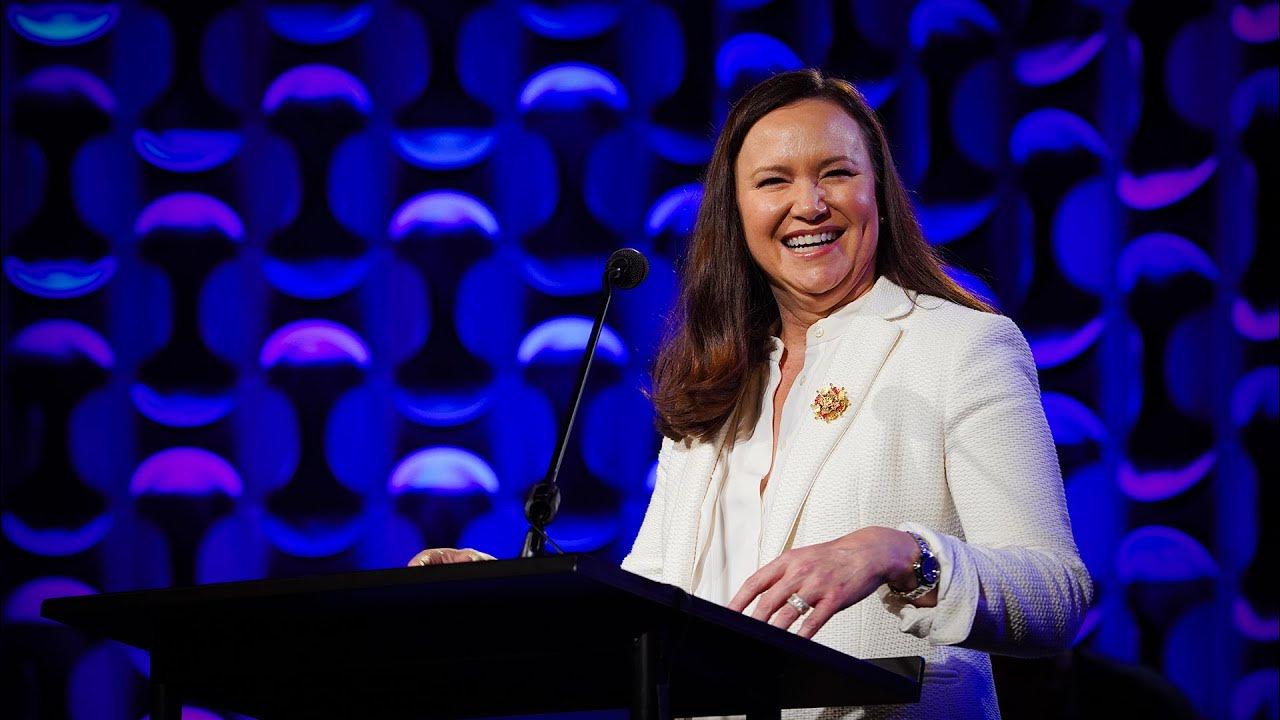
She said the measure is providing multiple benefits to commercial interests, especially smaller businesses.
“As Florida’s newest Senator, it is a privilege to fight alongside President Trump to secure major wins for Floridians. The groundbreaking One Big Beautiful Law delivers many big wins for Florida small businesses — from making tax reductions permanent to repealing onerous IRS reporting regulations,” Moody said.
“Small businesses are the cornerstone of our communities, and I’m proud of the victories secured to ensure they can thrive and fuel our economy.”
Sickle cell salvation
Rep. Neal Dunn, a Panama City Republican, filed legislation he hopes improves the lives of those across the nation living with sickle cell disease.
The Sickle Cell Disease Comprehensive Care Act would allow states to establish Health Homes for patients, even if the disease is the single qualifying condition.
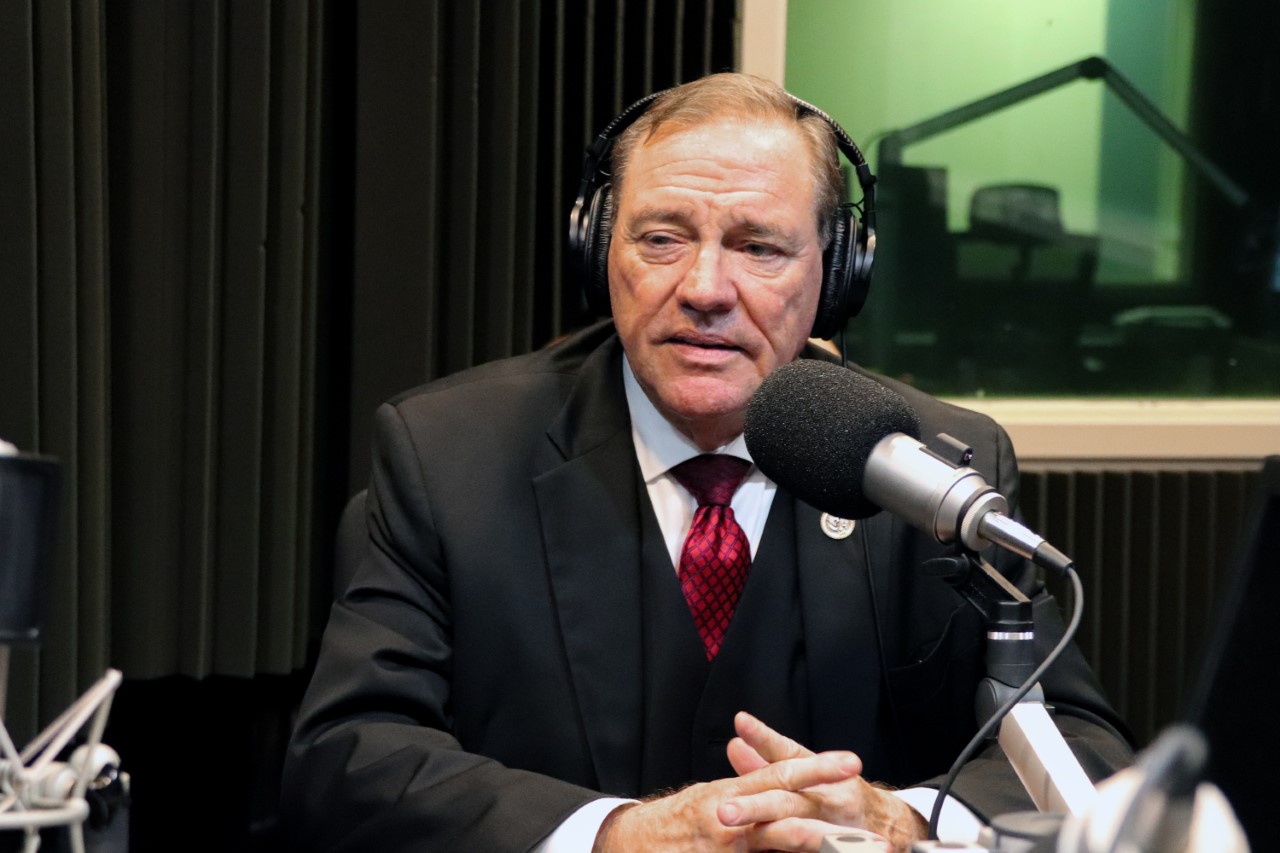
“Patients living with sickle cell disease can see drastic improvement in their health care outcomes when they receive coordinated care by a connected team of providers. Unfortunately, many receive a patchwork of disorganized care that can lead to avoidable complications that impact their quality of life,” said Dunn, a physician by trade.
“Coordinating care by establishing sickle cell disease Health Homes and streamlining care with a single team of providers will improve clinical outcomes for countless patients. Crucially, streamlining care for patients with sickle cell disease on Medicaid will also save the program money.”
He filed the bipartisan bill with Rep. Danny Davis, an Illinois Democrat.
“I want to thank Congressman Dunn, who is my bipartisan partner in this effort to continue helping tens of thousands of Americans who suffer from this dreadful sickle cell disease,” Davis said. “This legislation would allow state Medicaid programs to cover home health services and instruct the Centers for Medicare and Medicaid Services to issue best known practices for states to advance comprehensive care to sickle cell warriors.”

One step closer
Another piece of bipartisan legislation could expand access to prenatal screenings and hopefully reduce the number of miscarriages and stillbirths.
Rep. Kat Cammack, a Gainesville Republican and new mom, co-introduced a resolution with Rep. Sydney Kamlager-Dove, a California Democrat. The measure would increase the availability of screening for Antiphospholipid Syndrome, a treatable blood-clotting disorder contributing to fatal pregnancy outcomes.

“For too long, women and families have endured the heartbreak of miscarriage and stillbirth without answers — losses that, in many cases, could have been prevented with early detection. By expanding prenatal screening for APS, we have the chance to save lives, protect mothers and babies and spare families untold grief,” Cammack said.
Lawmakers are also working to raise awareness of the issue with musician Christina Perri. The “Jar of Hearts” singer has actively promoted screenings after losing two pregnancies, including one late-term loss.
“I’m so glad my story has a happy ending with my double rainbow baby, Pixie. But let’s make a change so no one has to have my story again. Let’s not get angry, let’s get inspired,” Perri said.
“This isn’t about the past. This is about giving a purpose to my Rosie’s life. It’s about saving babies and helping all other women, families, and kids avoid the anguish that I experienced. I am here to raise awareness about a blood test that can determine this treatable autoimmune disease.”
Closing the gaps
The Weather Act Reauthorization Act (HR 5089), as approved by the House Science, Space and Technology Committee, includes key language that could close coverage gaps for many Floridians impacted by disasters.
Rep. Maxwell Frost, an Orlando Democrat, last Congress introduced the Fixing Gaps in Hurricane Preparedness Act with Rep. Daniel Webster, a Clermont Republican. This year, it was successfully added to the broader weather package during the Committee process. The legislation would require the National Oceanic and Atmospheric Administration (NOAA) to ensure hurricane preparedness tools, alerts and planning systems address the needs of several underserved populations.
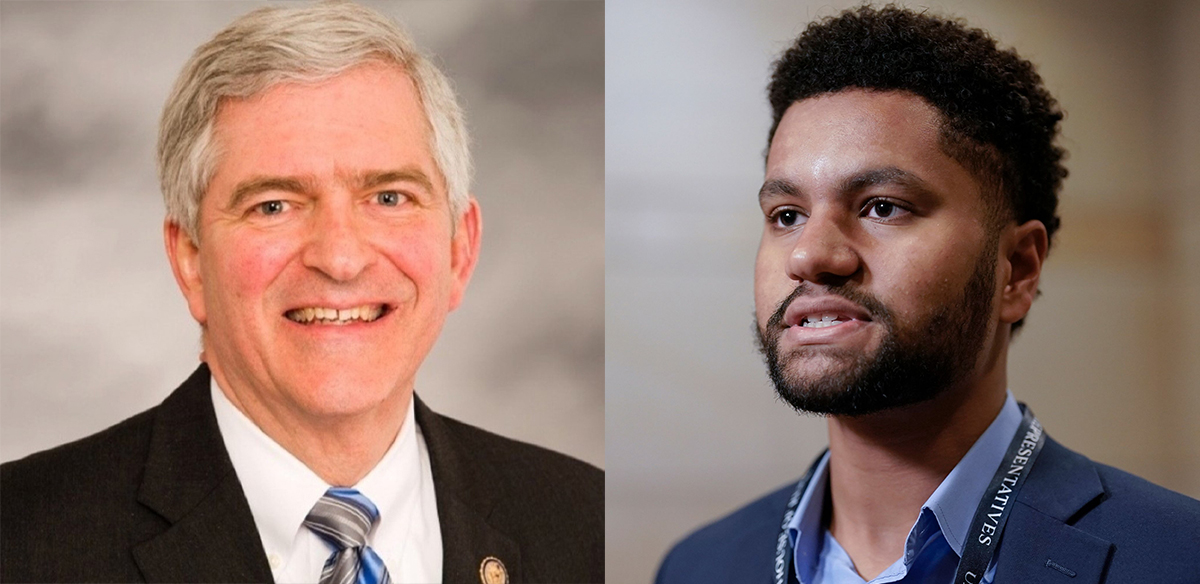
“Whether you’re a senior, someone living with a disability, a non-English speaker, or a Floridian living in a rural community — our emergency communications systems need to be able to reach people where they’re at — efficiently and effectively,” Frost said.
“I’m proud to say that my bipartisan Fixing Gaps in Hurricane Preparedness Act will do just that by focusing on how every single person in our communities is able to prepare themselves for the worst Mother Nature sends our way. My legislation and the Weather Act will help save lives.”

Capitol monument
Luna, a close ally of slain conservative commentator Charlie Kirk, called for a permanent statue in the U.S. Capitol honoring the Turning Point USA founder. Kirk was assassinated while speaking at a college in Utah.
In a letter to House Speaker Mike Johnson, the Pinellas County Republican called Kirk “a patriot, a father, and a fearless voice for conservative values.”
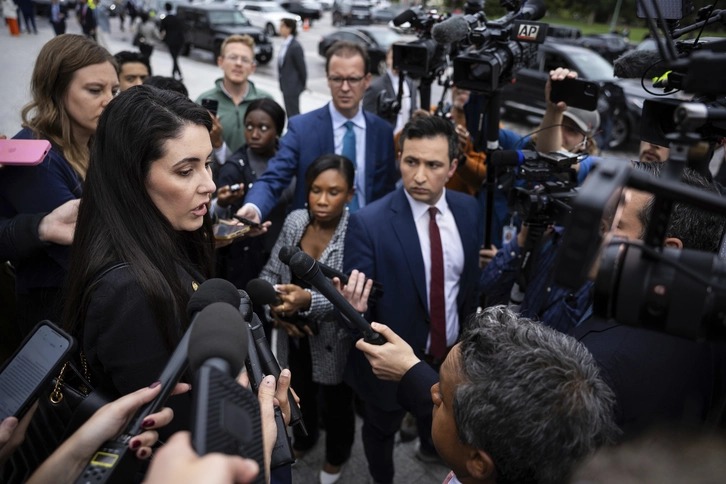
“His death is a wound to our nation, a stark reminder of the escalating political violence fueled by the divisive and hateful rhetoric from the Left,” she wrote, blaming Democrats for the culture that leads to political violence against conservative figures.
Luna previously worked as a director at Turning Point USA, the conservative advocacy group founded by Kirk to promote youth engagement in civic processes.
Luna said in her letter to Johnson that a statue would “stand as a reminder that political disagreement must never be answered with violence, and that the fight for truth must carry on.”
She added that while “responsibility for violence rests with the perpetrator, we must confront the broader cultural intolerance that enabled such a tragedy.”
“Hateful rhetoric from the Left has created a toxic environment where one side finds it acceptable to stoke fear and violence to silence civil dissent,” she wrote, reiterating the previous day’s statement about the Left being “the hate they claim to fight.”
Troubled water
Buchanan pressed the Transportation Department to release funds for widening a bridge over the Manatee River. The Manatee County project, he said, provides a vital evacuation route and supply line in times of disaster, like during Hurricane Milton last year.
After Manatee County Commissioners applied for $61.6 million in federal funds for the project, Buchanan, the Republican co-Chair of the Florida delegation, sent a letter to Transportation Secretary Sean Duffy urging a quick release of funding.

“The proposed project will expand the bridge from two lanes to four, add safe pedestrian and bicycle facilities, and improve access for freight and emergency vehicles,” Buchanan wrote. “These improvements will reduce crashes, cut travel delays and provide essential relief for I-75, an especially critical need during hurricane evacuations. During Hurricane Milton in 2024, the Fort Hamer Bridge served as a lifeline for thousands of families under evacuation orders.”
Manatee County Commission Chair George Kruse said the project was important to the safety of Southwest Florida residents.
“This project is vital to the future of Manatee County,” Kruse said. “Expanding the Fort Hamer Bridge will improve hurricane evacuations, connect residents to jobs and health care and strengthen our supply chains. With Congressman Buchanan’s strong backing, we are confident this investment will deliver lasting benefits for the entire region.”

State renewal
The House Foreign Affairs Committee this week took steps to formally reauthorize the State Department in statute. That means one South Florida Republican, Committee Chair Brian Mast, will hold the statutory authority of an agency led by another, Secretary of State Marco Rubio.
“As Chairman, I made a promise to restore command and control-and this legislation delivers. It ensures every dollar and every diplomat puts America First and is accountable to the President’s foreign policy,” said Mast, a Stuart Republican.

“It also prevents ideologues masquerading as diplomats from using their posts to push left-wing agendas instead of America’s interests. This bill is not just a reform for today or for President Trump; it is a lasting framework that will strengthen the State Department and benefit every commander in chief who follows.”
Reps. Cory Mills, a New Smyrna Beach Republican chairing the Foreign Affairs Oversight and Intelligence Subcommittee, and María Elvira Salazar, a Coral Gables Republican leading the Western Hemisphere Subcommittee, will also play key roles.
“Thanks to the united vision of Secretary Rubio, President Trump, and the Foreign Affairs Committee’s GOP strategy, we are finally prioritizing our hemisphere by countering corrupt regimes, like those in Venezuela and Cuba, that empower radical terrorists, flood our borders with drugs, and sow crime and instability,” Salazar said.
Mills said he has seen “the good, the bad, and the ugly” sides of the State Department, and will ensure every diplomat at the agency “must put the United States of America First.”
Talk about the weather
A budget amendment led by Rep. Debbie Wasserman Schultz, a Weston Democrat, keeps funding for NOAA’s forecasting division in the Commerce Department budget.
The budget change had bipartisan support, with fellow South Florida lawmakers Díaz-Balart, a Hialeah Republican, and Lois Frankel, a West Palm Beach Democrat, co-introducing. Rep. Mark Alford, a Texas Republican, was also listed.

Wasserman Schultz said Congress needed to include the language after a push earlier this year by the Department of Government Efficiency called to close several critical weather centers, including the Atlantic Oceanographic and Meteorological Laboratory and its Hurricane Research Division in Miami.
“Right before hurricane season started, the staff at South and Central Florida NOAA facilities were already being gutted. Our most senior news meteorologist in South Florida warned viewers, on air, that he may be unable to provide accurate forecasts due to a lack of critical data,” Wasserman Schultz said.
“This cannot continue to happen to an agency as vital as NOAA. Every minute of warning could mean hundreds of fewer funerals. Accurate cones of impact allow more families to put smarter preparation and evacuation plans in place, and that’s exactly what NOAA provides for all of us. I’m so proud that my bipartisan amendment to protect NOAA’s current facilities in the face of devastating cuts passed in the Committee. And I’ll fight to make it law.”

Castro contingent
Are agents of Cuba’s communist government freely roaming the streets of Miami? Rep. Carlos Giménez said it’s a known fact, and he has provided the Homeland Security Department with a list of names and a push for action.
The Miami-Dade Republican sent a letter to Homeland Security Secretary Kristi Noem urging an update on any investigation or potential deportation of individuals directly connected to Cuba’s government.
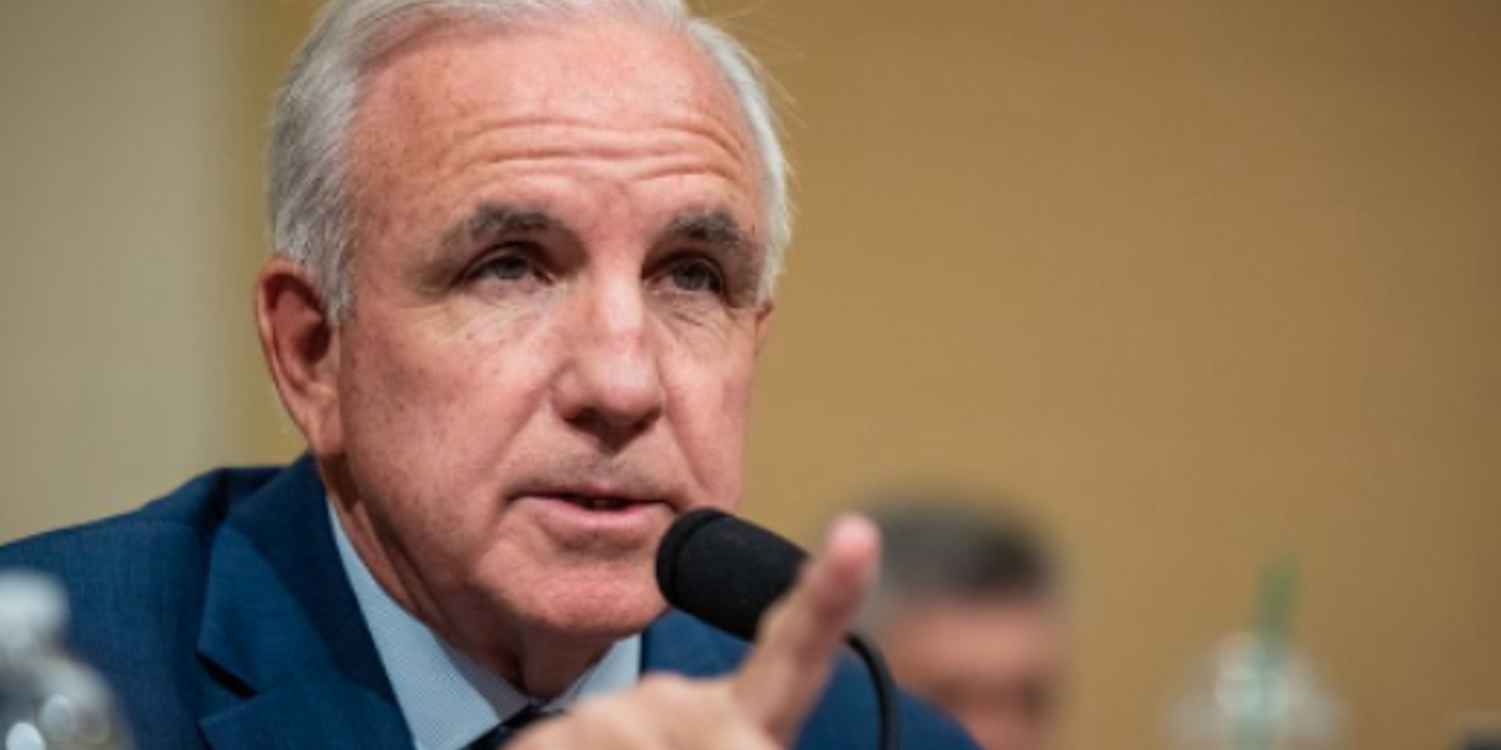
“We cannot allow those with direct connections to the Communist Party of Cuba to game our immigration laws, like the Cuban Adjustment Act, and enter our country,” Giménez wrote. “I am re-attaching the list of Cuban Nationals, with ties to the Castro regime, currently living in the United States, who have been denounced by watchdog groups and independent nonprofit organizations for perpetrating countless human rights abuses.”
He wants to know how many individuals identified as connected to the regime have been removed from the U.S., and an explanation as to why anyone named is still here.

On this day
Sept. 12, 1958 — “Supreme Court orders Little Rock desegregation” via the National Constitution Center — A unanimous Supreme Court declined a Little Rock School District request to delay by more than two years the desegregation mandated by the 1954 Brown v. Board ruling. In the previous year, President Dwight Eisenhower called in federal troops to protect a group of nine Black students who tried to attend previously segregated Little Rock Central High School. Arkansas Gov. Orval Faubus sent National Guard troops to block the students from attending classes. The court directly addressed efforts by Arkansas state leaders to delay or ignore desegregation.
Sept. 12, 1960 — “John F. Kennedy addresses Catholicism, separation of church and state” via The American Yawp Reader — American anti-Catholicism had softened in the aftermath of World War II, but no Catholic had ever been elected President and Protestant Americans had long been suspicious of Catholic politicians when Kennedy ran for the presidency in 1960. Kennedy addressed the Greater Houston Ministerial Association and delivered a seminal statement on the separation of church and state. “I believe in an America where the separation of church and state is absolute — where no Catholic prelate would tell the President (should he be Catholic) how to act, and no Protestant minister would tell his parishioners for whom to vote,” he said.
___
Peter Schorsch publishes Delegation, compiled by Jacob Ogles, edited and assembled by Phil Ammann and Ryan Nicol, with contributions by Drew Dixon and Janelle Irwin Taylor.
Post Views: 0