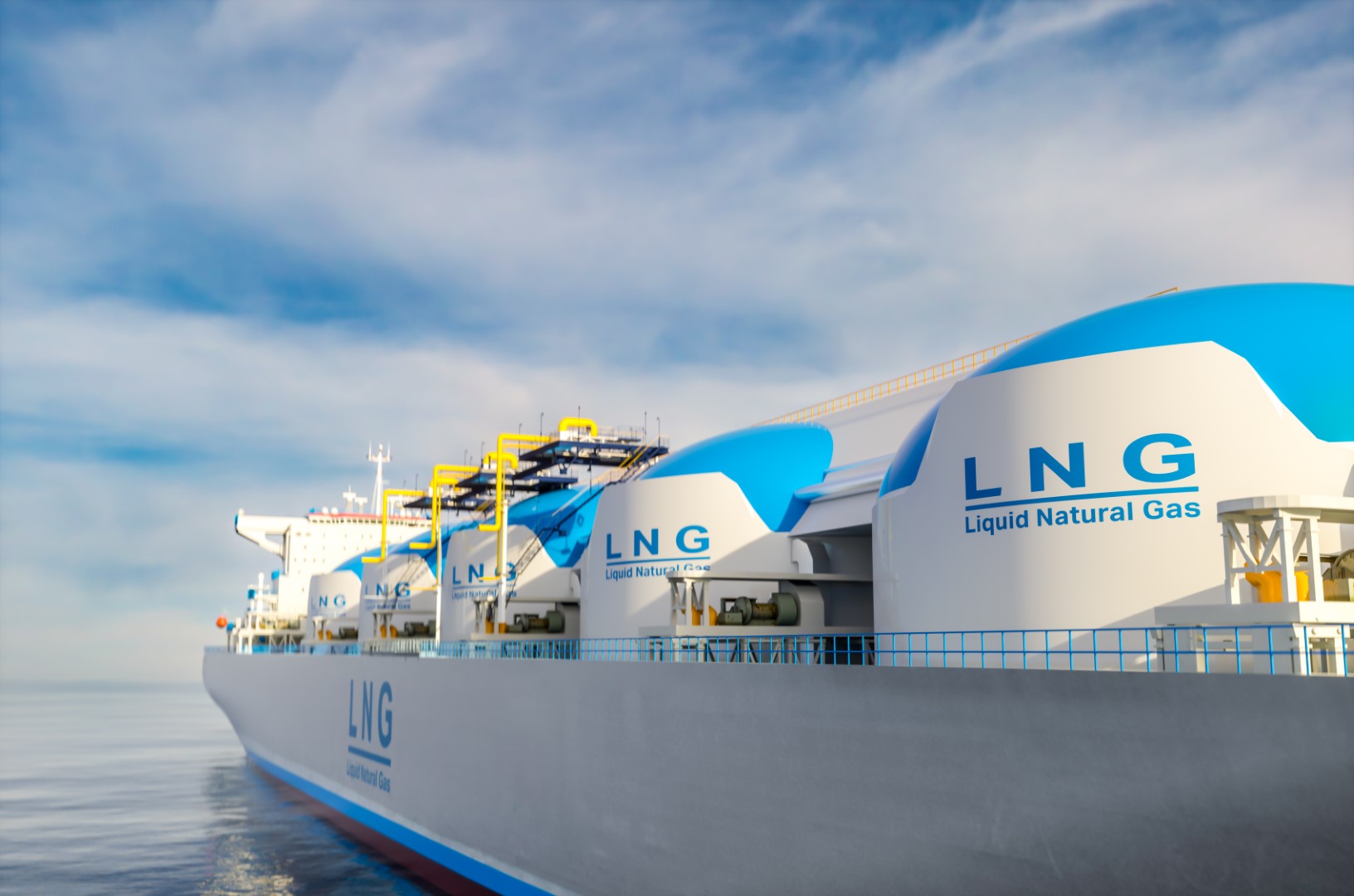
As Florida’s Space Coast strains to keep pace with booming cruise and space industries, a proposal to anchor liquefied natural gas infrastructure at Port Canaveral is sharpening a debate over how the state powers its fastest-growing economic engines.
Canaveral LNG is a partnership between Chesapeake Utilities and BHE GT&S.
The partnership brings together significant expertise, experience and resources.
Chesapeake, operating locally as Florida City Gas, has served the Canaveral region since the 1940s. BHE GT&S is a wholly owned subsidiary of Berkshire Hathaway Energy with extensive experience in building, owning and operating liquefied natural gas facilities. BHE GT&S currently operates the largest LNG facility in Florida, located in Jacksonville.
This week, the Canaveral Port Authority held a meeting to further consider selling a parcel of land at the port to Canaveral LNG. Following that meeting, Canaveral LNG was asked five questions about the project.
— What action did the Canaveral Port Authority Board of Commissioners take this week, and why does it matter for Florida’s future energy needs?
The Canaveral Port Authority Board heard another presentation on the process to sell land to Chesapeake Utilities and BHE GT&S, operating jointly as Canaveral LNG, to support investment in a regional energy hub aimed at meeting customer demand for cleaner, safer and more reliable fuels while supporting Florida’s continued growth.
This matters because Florida’s Space Coast sits at the center of two rapidly expanding industries — commercial space and maritime commerce — both increasingly dependent on liquefied natural gas. LNG-powered cruise vessels already operate out of Port Canaveral, and LNG-fueled rockets are launching from the region.
Without local LNG infrastructure, Florida remains dependent on fuel transported long distances, creating inefficiencies and unnecessary risk for some of the state’s most strategic industries.
— Why is the Space Coast uniquely positioned to need this type of energy infrastructure?
The Space Coast is unlike any other region in Florida. It is home to the world’s busiest cruise port and the nation’s most active space launch corridor. Both sectors are undergoing technological shifts that rely on LNG for cleaner maritime operations and next-generation rocket propulsion.
Demand is no longer hypothetical. Launch cadence is increasing, cruise fleets are modernizing, and Florida’s broader energy system already relies heavily on natural gas for reliability.
The Space Coast needs infrastructure that keeps pace with that growth and modernization, or Florida risks falling behind in industries where reliability, fuel availability and logistics are critical.
— Why locate LNG infrastructure at Port Canaveral?
Energy infrastructure performs best when located near demand. Siting LNG infrastructure at Port Canaveral reduces the need to truck or barge fuel hundreds of miles into the region — activity that increases traffic, emissions and operational risk.
The proposed site was identified after years of evaluation focused on safety, logistics, infrastructure access and minimizing impacts to surrounding communities. Its proximity to existing port facilities, navigable waters, pipeline connections and industrial areas makes it the most practical location to serve maritime and aerospace users while improving system reliability, particularly during severe weather or emergencies.
— How does the project address safety, environmental protection and community concerns?
Safety and environmental stewardship are central to the project’s evaluation. LNG is non-toxic, non-corrosive and non-explosive. Modern LNG facilities are designed with multiple layers of protection, including automated monitoring, containment systems and emergency response procedures.
From an environmental standpoint, LNG is the cleanest marine fuel in use today, significantly reducing sulfur oxides, nitrogen oxides and particulate matter compared to traditional fuels — pollutants most closely linked to air-quality concerns near ports.
If constructed, the facility would be subject to rigorous environmental permitting, monitoring and oversight by multiple federal and state agencies, with community engagement built into the process.
— How does the Canaveral LNG project factor into energy security and national security considerations?
Energy security is increasingly recognized as a core component of national security, particularly on Florida’s Space Coast. The region supports critical aerospace, defense and maritime operations that depend on reliable, uninterrupted access to energy.
LNG is already used by cruise and space operations at Port Canaveral, but there is no local LNG storage. Fuel must be transported from hundreds of miles away, creating longer supply chains vulnerable to severe weather, transportation constraints and external disruptions.