
Politics
Florida’s last check on power
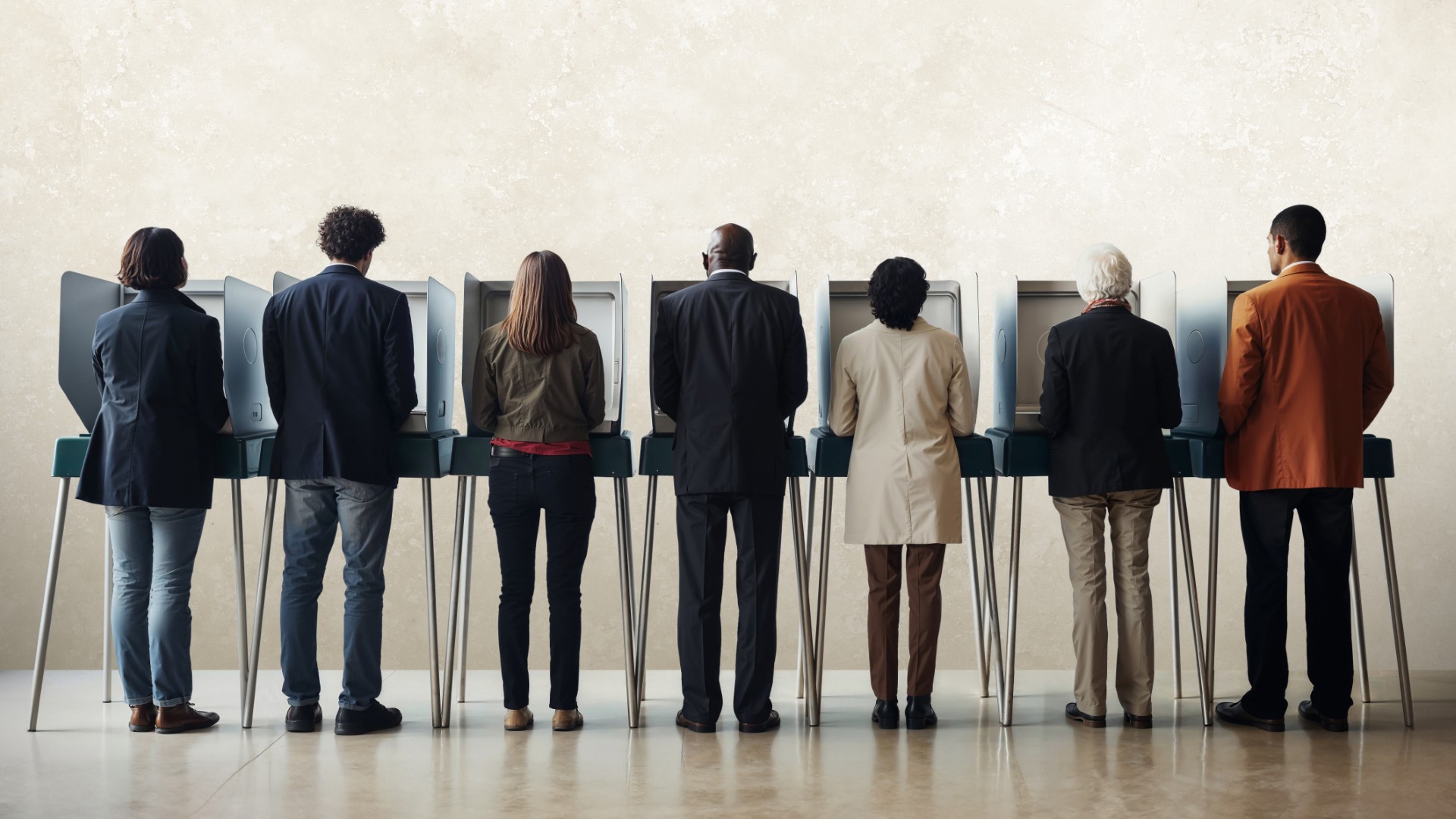
The balance of power in Florida is shifting, and every day, Floridians are losing one of the last tools they have to hold politicians accountable: citizen-led ballot initiatives.
Florida’s Constitution gives citizens the right to put issues directly on the ballot. It is built into how our state government works. When elected officials ignore a problem, voters can step in and act, but that only works if the process is fair and within reach.
Right now, one party holds all the major levers of state government. That is not unusual in politics, but it does mean that over the last several years, decision-making has become more centralized. Local governments are blocked from acting in their own communities, and five of the seven judges on the Florida Supreme Court have been appointed by the current Governor.
When every lever of government is consolidated, the only remaining direct check the people have is the constitutional right to put issues on the ballot.
That is the lever Tallahassee is trying to break.

Last year, the Legislature passed HB 1205. This bill all but killed regular Floridians’ ability to work together to effect political change and put issues they care about on the ballot. HB 1205 restricts who can participate in the process, adds red tape, drives up the cost of grassroots campaigns, and creates new criminal liability for everyday organizing activity. That meant if grandma or your aunt was out gathering petitions and made a mistake on a form, she could be exposed to racketeering charges – the same kind of statute used to prosecute the mafia’s crimes.
The effect was exactly what they intended: to make qualifying a ballot measure so expensive and so risky that grassroots campaigns collapse under the weight. And for a time, they did. Volunteers were scared to help. Churches and community groups pulled back. People collecting signatures from neighbors had to wonder if they were putting themselves in legal jeopardy.
The citizen initiative process was designed for ordinary people. It was meant to be accessible to retirees, small business owners, teachers, and veterans, not just well-funded political operations with teams of lawyers. When you turn civic participation into a legal minefield, you do not strengthen democracy. You shrink it.
That is why we went to court. And that is why we are still here.
Because if the cost of participation becomes intimidation, then the right itself starts to disappear.

Regular Floridians cannot set the agenda in the Capitol. They cannot compel those at the top to take up an issue that affects their families. The only remaining pathway for citizens to drive change themselves is the citizen-led ballot initiative process.
If the state can impose sweeping restrictions on citizen initiatives, the constitutional right becomes theoretical rather than real. A right you cannot exercise is not a right.
This is bigger than any one campaign. If Florida succeeds in hollowing out its initiative process, the blueprint will travel to other states.
But if we defend this pathway here, we do more than protect Floridians. We show that constitutional rights cannot be quietly strangled by paperwork.
This matters.
When lawmakers refuse to expand Medicaid. When they decline to address the coverage gap. When they ignore the will of the people who overwhelmingly support Medicaid expansion. The ballot is how Floridians force the issue. This lawsuit protects that pathway.
Last month, Florida Decides Healthcare relaunched its statewide signature gathering campaign to place Medicaid expansion on the 2028 ballot.
More than one million Floridians are currently stuck in the Medicaid coverage gap. They earn too much to qualify for traditional Medicaid but too little to afford private insurance. They are working adults. Parents. Caregivers. They delay care. They ration prescriptions. They show up to work sick because they have no other option.
Millions more are at risk of losing affordable coverage as premiums rise.
Our proposed constitutional amendment would begin to fix what Tallahassee has failed to address, helping up to 3.7 million Floridians close the gap and access preventive care before small problems become emergencies.
Despite the roadblocks, volunteers are back in their communities collecting signatures. Supporters are reengaging.
This case is about whether power remains concentrated at the top, or whether citizens retain the ability to correct course when their government refuses to act.
The citizen initiative process is the last remaining check on power in this state.
We are here to make sure it survives.
___
Mitch Emerson is the executive director of Florida Decides Healthcare.