
Politics
Florida’s dangerous move to end school vaccine standards

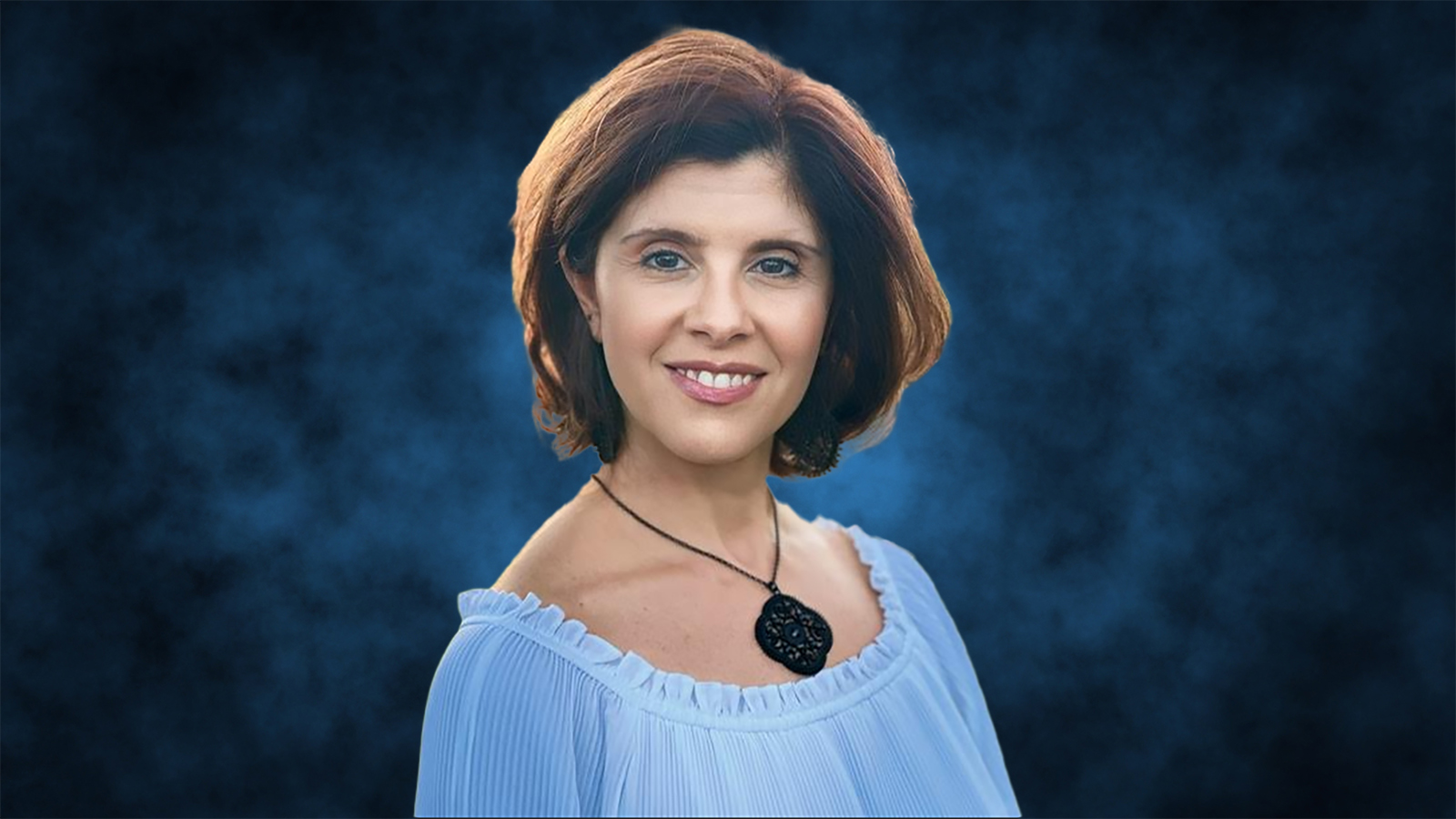
Florida’s new proposal to eliminate all school vaccine standards is a dangerous move. It is raising alarm among health experts, providers, business groups, educators, and even many conservative leaders.
If enacted, Florida would become the only state in the nation to eliminate vaccine standards for school attendance. Make no mistake, if Florida’s elected leaders pass this legislation, it has the potential to trigger disease outbreaks not seen in decades.
Under the proposal, long-standing standards for vaccines that prevent measles, chickenpox, pneumonia, meningitis, and other childhood illnesses would be discarded, dismantling a system that has protected generations of our children and enabled schools to remain safe and healthy environments for learning.
Floridians are paying attention, and they overwhelmingly oppose this plan.
According to a recent statewide survey, nearly 70% oppose the plan, including strong majorities of Democrats, nonpartisans, and Republicans alike. Significantly, 78% of Florida voters share President Trump’s concern that eliminating vaccine standards could be dangerous — a rare point of bipartisan agreement.
Voters across every age group and every region of the state are signaling the same message: removing these standards goes too far, puts children at risk, and undermines Florida’s public health.
Vaccines are one of the most effective medical tools ever developed. They are the reason Florida no longer sees classrooms shut down due to measles outbreaks, children paralyzed by polio, babies dying from whooping cough, or infants as young as one week old suffering from meningitis. Yet those successes depend on consistently high vaccination rates, which are currently sliding in the wrong direction.
Across Florida, pediatricians are seeing the consequences of lower vaccination rates firsthand. Pertussis, or whooping cough, has surged dramatically. As of October, Florida has recorded nearly 1,300 cases, nearly triple the number from the same period last year.
Infants with pertussis often cannot breathe on their own. Some require intubation, and others need machines to keep their hearts and lungs functioning. Survivors may face long-term complications, including respiratory damage and developmental delays.
The Florida Chapter of the American Academy of Pediatrics (FCAAP) has been clear: eliminating school vaccine standards is a dangerous step backward for our state.

When children are not vaccinated, diseases spread more quickly, especially in schools, daycares, and community spaces filled with children too young to be vaccinated or whose immune systems are too fragile to handle infection.
The broader implications are significant. Schools could once again become ground zero for outbreaks of measles, whooping cough, meningitis, and even polio. Families could face increased medical costs, missed work, and prolonged hospitalizations for preventable illnesses. Pediatric ICUs, which are already stretched thin, could see unnecessary surges of critically ill children.
State officials will now move through rulemaking and legislative consideration for certain vaccines. These decisions carry enormous health implications and will shape Florida’s health and economic landscape for years to come. As lawmakers and agency leaders weigh their next steps, they must acknowledge the overwhelming data, public sentiment, and medical guidance urging them to reconsider this proposal.
Pediatricians will continue to educate families, answer questions, and administer vaccines. But this is an all-hands-on-deck situation. We cannot maintain community protection alone. We need state and local leaders to work with us, not against us, to protect Florida’s children.
Florida voters oppose eliminating vaccine standards. Public health experts oppose it. Pediatricians, other specialists, and providers oppose it. Even national conservative voices are expressing concern.
The path forward is clear: Florida must preserve school vaccine standards to ensure that our children can grow, learn, and thrive. Our state cannot afford to gamble with preventable disease. The price is far too great.
___
Dr. Rana Alissa is president of the Florida Chapter of the American Academy of Pediatrics (FCAAP) and a Board-certified physician in pediatrics and in pediatric hospital medicine.
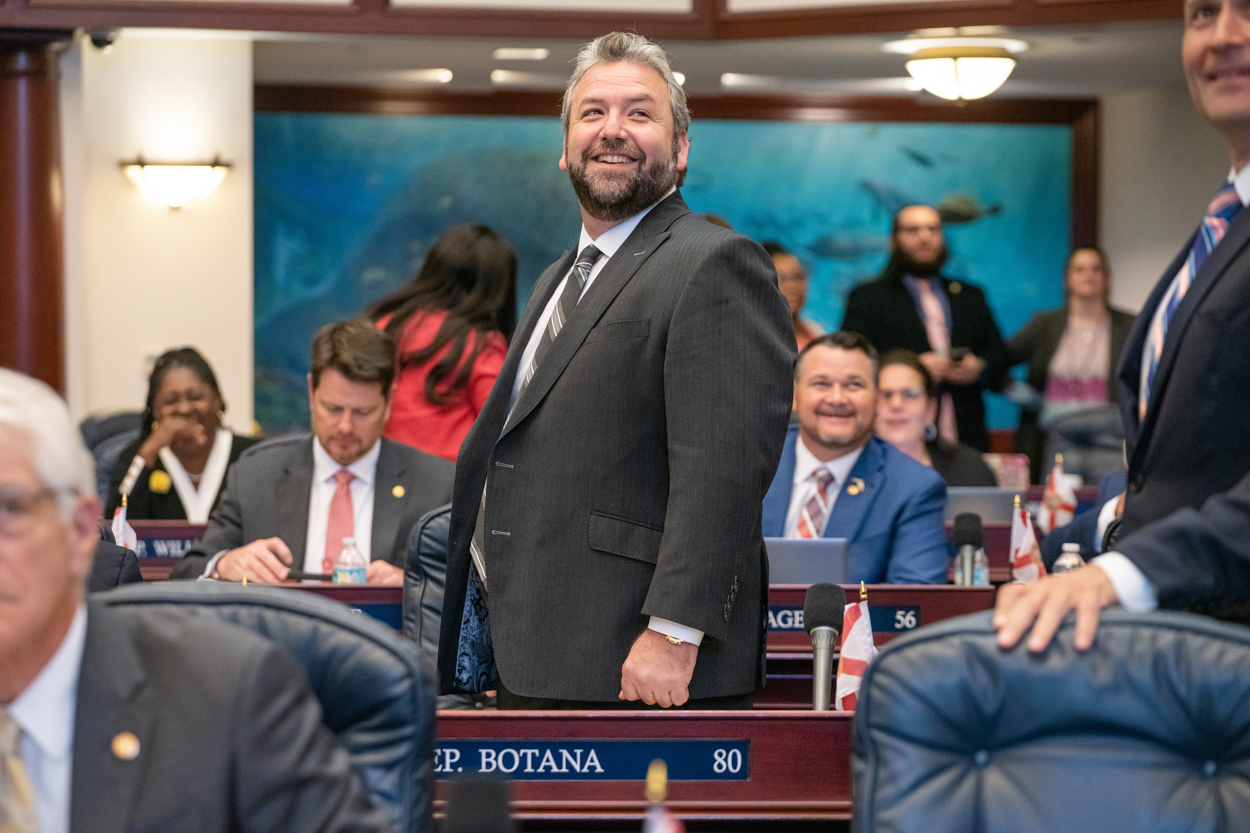
A proposal to turn the Naples Airport Authority into a board elected by voters, rather than appointed by the City Council, has advanced through its second House committee stop.
HB 4005, sponsored by Naples Republican Rep. Adam Botana, would transition the Airport Authority board away from appointments made by the Naples City Council to elections by Collier County voters beginning in the November election. If approved, the bill would cut short the terms of current board members unless they are elected.
The House Government Operations Subcommittee reported HB 4005 favorably after adopting an amendment that broadens eligibility requirements for Airport Authority board candidates.
The bill’s advance comes amid a clash between Naples city officials and members of the Collier County legislative delegation over the Naples Airport. Disagreements over board appointments, oversight authority and the airport’s future have strained relations between City Hall and the delegation — even leading into a heated email exchange between Naples Vice Mayor Terry Hutchison and Rep. Yvette Benarroch.
Botana told committee members Wednesday that the measure shifts decision-making power away from the City Council toward voters countywide, arguing the airport serves a regional function beyond city limits.
“We were having some discomfort with the City Council trying to move the airport,” Botana said. “This has been a fight a long time in the city of Naples. So we’re saying OK, instead of just having it appointed by the City Council we’re going to make these folks elected and give the power back to the people.”
The committee also adopted an amendment that revises candidate qualification requirements. The bill originally required candidates to have at least five years of experience in the aerospace industry, but the amendment expands that standard to allow candidates with backgrounds in financial management or small-business operations to qualify.
Opponents warned the revised bill still raises concerns. Jason Unger, speaking in opposition, said countywide elections could dilute the influence of Naples residents despite the airport being located within city boundaries.
“All of the seats will be controlled by votes coming from outside of the city of Naples,” Unger said.
The measure advanced without debate and cleared the subcommittee on a unanimous vote. HB 4005 now heads to its final of three House committee stops with the State Affairs Committee.


Floridians know firsthand how quickly rising costs can hurt a household budget. Health care, particularly prescription drug costs, is often the most unpredictable and difficult expense to manage, so when there are important conversations in Congress about health care, most people keep a close eye on developments to ensure our policymakers do not pass legislation that would increase costs.
Fortunately, Florida has leaders who understand that affordability doesn’t come from more government mandates, but from competition, flexibility, and accountability. Sen. Rick Scott, in particular, has consistently shown he is willing to stand up for Florida families when proposals threaten to drive costs even higher.
Scott has long emphasized that Americans — not Washington bureaucrats — are best equipped to make decisions for their families. He has backed policies that keep consumers at the center of health care while resisting heavy-handed federal interference in private markets. That approach has proven especially important for employer-sponsored coverage, which millions of Floridians depend on for access to care.
Last year, Scott demonstrated that leadership in a very real way. When a massive spending package included last-minute provisions that would have inserted the federal government into the private health insurance market, including dictating how prescription benefits could be structured, he opposed it. Those provisions weren’t about lowering patients’ costs. They would have limited flexibility, increased premiums, and shifted leverage back to the pharmaceutical industry.
These issues aren’t abstract. In communities across South Florida, families are already struggling to keep up with rising prices. Seniors on fixed incomes, working parents, and small-business employees all feel the impact when health care costs rise. Too often, those rising costs are driven by prescription drug prices set by manufacturers — prices that families and employers have little ability to control. Policies that reduce choice or raise premiums only make those challenges worse.

These concerns are not just something Floridians are noticing. Voters across the country share the sentiment. Recent public opinion research confirms exactly that: a survey from the President’s pollster, John McLaughlin, of likely Midterm voters found that nearly three-quarters believe drug companies are most responsible for high prescription drug prices, not employers or patients. Even more telling, voters overwhelmingly favor keeping private health care choices available to employers rather than having the federal government impose one-size-fits-all mandates. Americans want more choice, not the government telling businesses how to design their benefits.
Large majorities also expressed deep concern that government interference in the private market would raise monthly premiums and ultimately increase Big Pharma’s profits.
Prescription drugs are a major driver of health care spending, and that disconnect between what voters want and what some policymakers are proposing is hard to ignore. Drug manufacturers alone set their prices, and those prices continue to rise year after year. Any serious effort to improve affordability should focus on increasing competition and holding drug companies accountable — not weakening the private-market tools that help keep costs in check.
Unfortunately, some of the proposals circulating in Congress would do exactly that. These ideas would bring new government mandates into the private market and eliminate options that help manage prescription drug costs. Independent analyses show these policies could raise premiums nationwide by tens of billions of dollars each year, while delivering massive new profits to drug manufacturers.
Florida families cannot afford that outcome. Neither can the American health care system as a whole. The goal of reform should be simple: lower costs, more choices, and better value for patients, not expanded government control that makes coverage more expensive.

Scott has shown that it’s possible to hold the line against policies that ultimately raise costs. As Congress continues its health care debates, Florida’s delegation should follow his lead and stay focused on real solutions that protect affordability, preserve flexibility, and put patients first.
That’s the kind of leadership Floridians expect — and the kind we need right now.
___
Barbara Casanova is the National Secretary and Florida Chair of the Republican National Hispanic Assembly. She also serves on the Miami-Dade Hispanic Affairs Advisory Board.
Politics
Parents of trans children urge compassion, not humiliation, in Florida’s schools, doctor’s offices and government halls

Juan Dominguez feared for his child Kai entering a deep depression, angry at the world, before a doctor finally provided a diagnosis of gender dysphoria. The father knew little about transgender identity at the time, but saw an immediate turnaround once Kai was treated.
But as Florida implemented new laws restricting medical professionals from providing gender-affirming care to minors, that doctor can no longer provide care, nor can any other in the state.
“The doctor that helped us identify Kai’s condition can no longer see us. We are not allowed to be open with other doctors because they won’t accept our child in their clinics,” Domingue said. “Doctors spend years studying the research. They know their patients. Medical decisions belong with families and doctors, not politicians.”
Dominguez was one of several parents to speak Wednesday at an Equality Florida press conference in Tallahassee, condemning a new round of laws aimed at LGBTQ Floridians. Parents of transgender children said their children have been humiliated in school, denied care and silenced repeatedly for any objection to what they say are draconian laws.
Equality Florida Executive Director Stratton Pollitzer said this follows a trend of attacks, ones that too often originate from Gov. Ron DeSantis’ Office.
“Let’s understand why DeSantis and this small band of his cronies are so obsessed with attacking the LGBTQ community,” Pollitzer said.
“These bills are smoke bombs meant to distract Floridians from the complete failure of Ron DeSantis and his allies to address the real crises Floridians are facing: lack of affordability, a housing emergency, and skyrocketing insurance costs.”
The press conference called out legislation, including one dubbed by critics as the “Don’t Say Gay or Trans at Work” bill threatening funding from organizations holding LGBTQ sensitivity training. Activists also took the state to task for many bills passed in prior years, most in a stretch before DeSantis’ ultimately failed run for President.
Those included bans on transgender students in women’s sports, restrictions on medical care being provided to minors and coverage to adults, and the state’s notorious “Parental Rights in Education” law barring any instruction on gender identity or sexual orientation through high school, a prohibition that includes outlawing the use of preferred pronouns or nicknames by school faculty and staff.
Luisa Montoya, President of PFLAG Broward, said she was upset she could not even register her trans son in school with his preferred name.

“Because of this, my child was repeatedly called by his birth name in front of other students. Sometimes it happened in the classroom, sometimes in the hallway. And once, it even happened over the school megaphone,” Montoya said.
“I will never forget the look on my child’s face. That moment reminded me why I fight. Because school should be a place of learning and safety — not fear or humiliation.”
Jennifer Solomon, head of Equality Florida’s Parenting with Pride program, stressed that LGBTQ families deserve representation in Tallahassee. And she said parents are one group that won’t be silenced.
“Look around. These parents are not here as strangers. They are your neighbors, your colleagues, your friends. Every one of them has a child they cherish and a story they want to be heard,” Solomon said.
“This fight is not abstract. It is deeply personal. I live it every day — in every choice I make, in every conversation I have about the future of Florida, and in every moment I stand beside families who are facing these threats with courage and love.”
Pollitzer said he was heartened in recent Legislative Sessions when, despite anti-LGBTQ legislation being filed and occasionally heard in committee, few bills have passed.
“Last year we saw a growing number of legislators refuse to waste more time on these awful bills and with people power we defeated all of them,” he said.
“We hope that with real challenges facing everyday Floridians lawmakers will again refuse to prioritize DeSantis’s agenda of more censorship, surveillance, and government control. But hope does not mean silence. And it does not mean standing down.”


WPP’s CTO says AI is reshaping advertising. But creative judgment needs to remain in human hands

Karamo Brown Fell Out With ‘Queer Eye’ Hosts After Hot Mic Trash Talk

Adam Botana’s Naples Airport Authority election bill clears second House committee
-

 Politics9 years ago
Congress rolls out ‘Better Deal,’ new economic agenda
-
Entertainment9 years ago
New Season 8 Walking Dead trailer flashes forward in time
-
Politics9 years ago
Poll: Virginia governor’s race in dead heat
-
Politics9 years ago
Illinois’ financial crisis could bring the state to a halt
-
Entertainment9 years ago
The final 6 ‘Game of Thrones’ episodes might feel like a full season
-
Entertainment9 years ago
Meet Superman’s grandfather in new trailer for Krypton
-
Business9 years ago
6 Stunning new co-working spaces around the globe
-
Tech9 years ago
Hulu hires Google marketing veteran Kelly Campbell as CMO