
Politics
Florida’s dangerous move to end school vaccine standards

Florida’s new proposal to eliminate all school vaccine standards is a dangerous move. It is raising alarm among health experts, providers, business groups, educators, and even many conservative leaders.
If enacted, Florida would become the only state in the nation to eliminate vaccine standards for school attendance. Make no mistake, if Florida’s elected leaders pass this legislation, it has the potential to trigger disease outbreaks not seen in decades.
Under the proposal, long-standing standards for vaccines that prevent measles, chickenpox, pneumonia, meningitis, and other childhood illnesses would be discarded, dismantling a system that has protected generations of our children and enabled schools to remain safe and healthy environments for learning.
Floridians are paying attention, and they overwhelmingly oppose this plan.
According to a recent statewide survey, nearly 70% oppose the plan, including strong majorities of Democrats, nonpartisans, and Republicans alike. Significantly, 78% of Florida voters share President Trump’s concern that eliminating vaccine standards could be dangerous — a rare point of bipartisan agreement.
Voters across every age group and every region of the state are signaling the same message: removing these standards goes too far, puts children at risk, and undermines Florida’s public health.
Vaccines are one of the most effective medical tools ever developed. They are the reason Florida no longer sees classrooms shut down due to measles outbreaks, children paralyzed by polio, babies dying from whooping cough, or infants as young as one week old suffering from meningitis. Yet those successes depend on consistently high vaccination rates, which are currently sliding in the wrong direction.
Across Florida, pediatricians are seeing the consequences of lower vaccination rates firsthand. Pertussis, or whooping cough, has surged dramatically. As of October, Florida has recorded nearly 1,300 cases, nearly triple the number from the same period last year.
Infants with pertussis often cannot breathe on their own. Some require intubation, and others need machines to keep their hearts and lungs functioning. Survivors may face long-term complications, including respiratory damage and developmental delays.
The Florida Chapter of the American Academy of Pediatrics (FCAAP) has been clear: eliminating school vaccine standards is a dangerous step backward for our state.

When children are not vaccinated, diseases spread more quickly, especially in schools, daycares, and community spaces filled with children too young to be vaccinated or whose immune systems are too fragile to handle infection.
The broader implications are significant. Schools could once again become ground zero for outbreaks of measles, whooping cough, meningitis, and even polio. Families could face increased medical costs, missed work, and prolonged hospitalizations for preventable illnesses. Pediatric ICUs, which are already stretched thin, could see unnecessary surges of critically ill children.
State officials will now move through rulemaking and legislative consideration for certain vaccines. These decisions carry enormous health implications and will shape Florida’s health and economic landscape for years to come. As lawmakers and agency leaders weigh their next steps, they must acknowledge the overwhelming data, public sentiment, and medical guidance urging them to reconsider this proposal.
Pediatricians will continue to educate families, answer questions, and administer vaccines. But this is an all-hands-on-deck situation. We cannot maintain community protection alone. We need state and local leaders to work with us, not against us, to protect Florida’s children.
Florida voters oppose eliminating vaccine standards. Public health experts oppose it. Pediatricians, other specialists, and providers oppose it. Even national conservative voices are expressing concern.
The path forward is clear: Florida must preserve school vaccine standards to ensure that our children can grow, learn, and thrive. Our state cannot afford to gamble with preventable disease. The price is far too great.
___
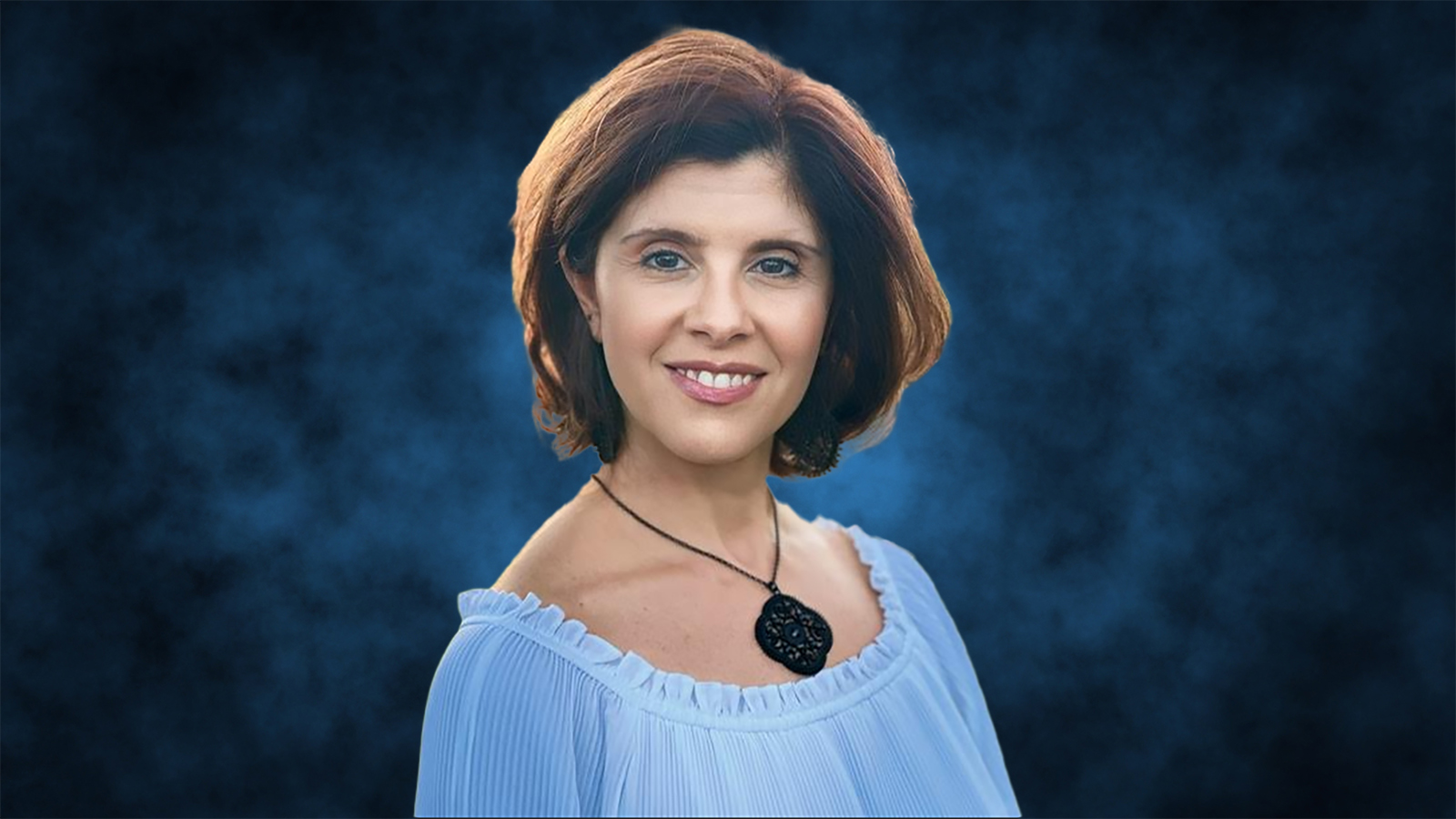
Dr. Rana Alissa is president of the Florida Chapter of the American Academy of Pediatrics (FCAAP) and a Board-certified physician in pediatrics and in pediatric hospital medicine.
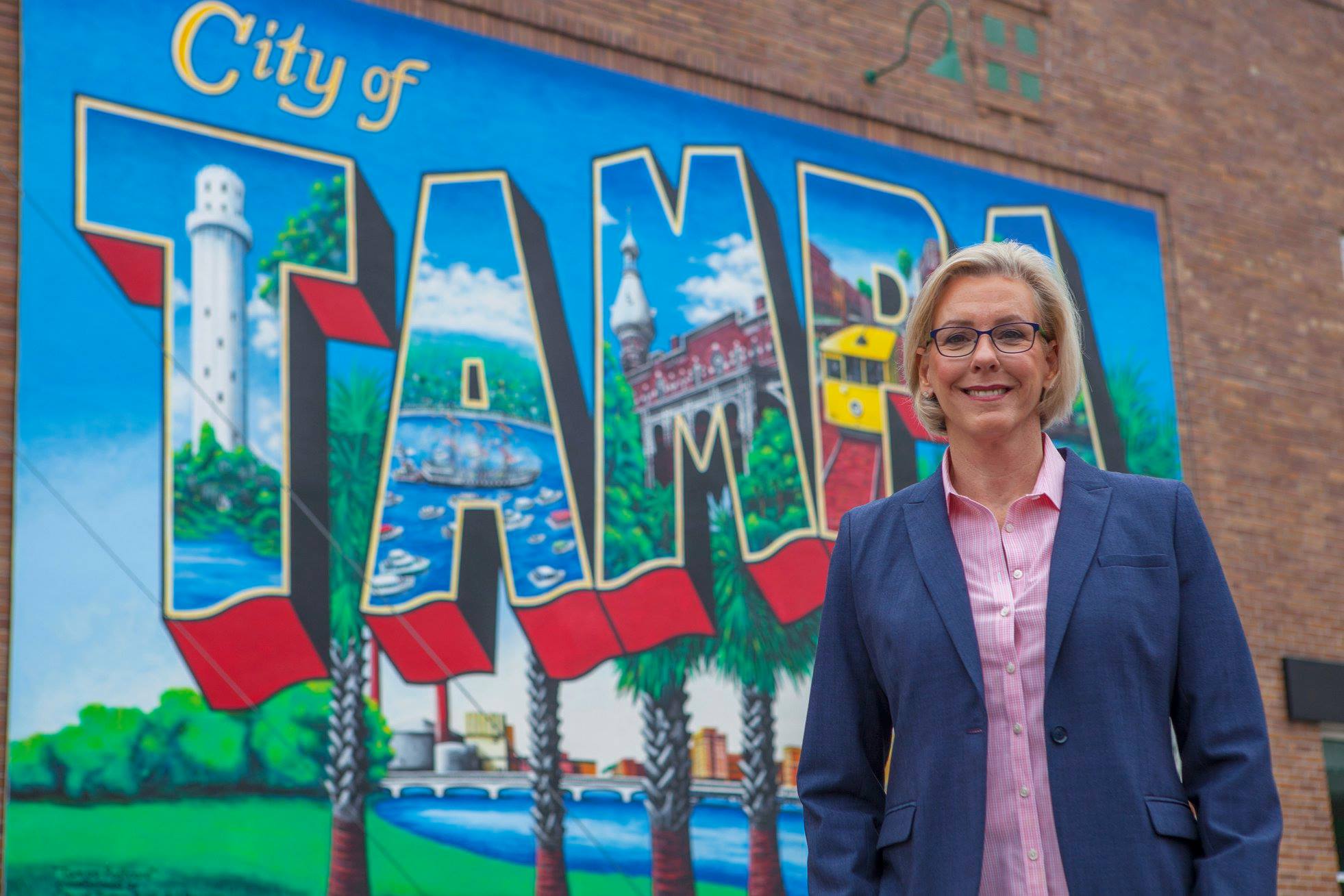
With just over a year remaining in her second and final term, Tampa Mayor Jane Castor’s administration is shifting into a “finish strong” phase to wrap up major redevelopment projects while positioning the city for continued growth under its next Mayor.
Castor told Florida Politics that she is focused on completing long-planned initiatives in the coming year, and creating what she called “project launch pads” for the next administration after nearly seven years of rapid development and population growth.
“We’ve accomplished a great deal in just a bit less than seven years,” Castor said. “Our city’s grown dramatically. We’re focused on finishing up some of those projects and getting other projects ready for the next administration.”
Castor said recent city budgets have emphasized investment in transportation, affordable housing and workforce development.
Transportation remains Tampa’s biggest challenge, she said, calling it the city’s “Achilles heel.” Castor pointed to the defeat of Hillsborough County’s voter-approved transportation surtax as a major setback for the region, though she emphasized that local governments have continued pursuing alternatives.
“We mourned the loss of that, but we didn’t stop,” Castor said.
Instead, Tampa and regional partners turned to grants and federal funding, securing nearly $4 million through a U.S. Department of Transportation program known as the Regional Infrastructure Accelerator. The grant supports planning for large-scale, multicounty transportation projects across Hillsborough, Pinellas and Pasco counties, including both local and regional transit options.
One proposal under consideration would expand Tampa’s streetcar system beyond its current footprint in Ybor City, Channel District and downtown, extending north into Tampa Heights. Castor said the city is also examining longer-term regional transit connections, including potential airport links and public-private partnerships to help finance future projects.
Meanwhile, construction across Tampa continues at a rapid pace, particularly along the riverfront and in historically underserved neighborhoods.
Castor highlighted projects nearing key milestones, such as the West River redevelopment in West Tampa — where a new Riverwalk extension is under construction. Castor also noted the Rome Yard project near Rome Avenue and Columbus Drive, a 16-acre mixed-use development now rising out of the ground.

In East Tampa, the city recently held a ribbon-cutting for the new East Tampa Recreation Center, a sprawling, multiblock complex that Castor said will be among the best facilities in Tampa’s parks system once completed later this year.
Downtown and surrounding neighborhoods are also seeing a wave of new residential construction. Castor cited multiple high-rise developments near downtown, additional riverfront condominiums along Kennedy Boulevard, student housing tied to the University of Tampa, and the long-anticipated opening of the five-star Pendry Hotel near the river this year.
Ybor City and the Channel District remain hot spots for redevelopment as well, with Water Street Tampa entering its second phase and developer Darryl Shaw advancing residential, office and retail projects, including a food hall, near the Gas Worx site.
“The city is just on fire,” Castor said. “I keep saying I’m going to change our city bird to the crane, there’s cranes all over the city.”
As lawmakers convene in Tallahassee for the ongoing Legislative Session, Castor said her top request is simple: leave property taxes alone.
Property taxes remain the primary revenue source for cities and counties, she said, and are already constrained by Florida’s Save Our Homes cap, which limits annual increases regardless of rising property values.
“Any cuts to property tax would be cuts to police and fire, to our parks and recreation, and to all the other city departments that rely on property tax funding,” Castor said.
Castor also addressed ongoing discussions surrounding professional sports facilities, noting that planned improvements to Raymond James Stadium and Benchmark International Arena are already accounted for through Hillsborough County’s voter-approved Community Investment Tax extension. She said city and county officials are meeting with the Tampa Bay Rays as discussions continue around a potential baseball stadium site near Hillsborough Community College.
Looking beyond her tenure, Castor said she does not plan to seek another political office, but intends to remain active in civic life after leaving City Hall.
“I don’t have any plans politically, but I definitely will stay involved in the community,” Castor said. “I was born and raised here in Tampa, so I’ll always be involved — participate on boards, volunteering, whatever way I can — to help continue to grow this great city.”


Dale Mabry campus emerges as leading Rays stadium site

Down Arrow Button Icon

Lizzo Shows Off Weight Loss in Tiny Dress at Paris Hilton’s Documentary Premiere
-

 Politics8 years ago
Congress rolls out ‘Better Deal,’ new economic agenda
-
Entertainment9 years ago
New Season 8 Walking Dead trailer flashes forward in time
-
Politics9 years ago
Poll: Virginia governor’s race in dead heat
-
Politics9 years ago
Illinois’ financial crisis could bring the state to a halt
-
Entertainment9 years ago
The final 6 ‘Game of Thrones’ episodes might feel like a full season
-
Entertainment9 years ago
Meet Superman’s grandfather in new trailer for Krypton
-
Business9 years ago
6 Stunning new co-working spaces around the globe
-
Tech8 years ago
Hulu hires Google marketing veteran Kelly Campbell as CMO