The Florida Gators’ title defense ended with a whistle, a tablet, and a rule that didn’t even exist a year ago.
Gators Sports All Season – Sports Talk Florida
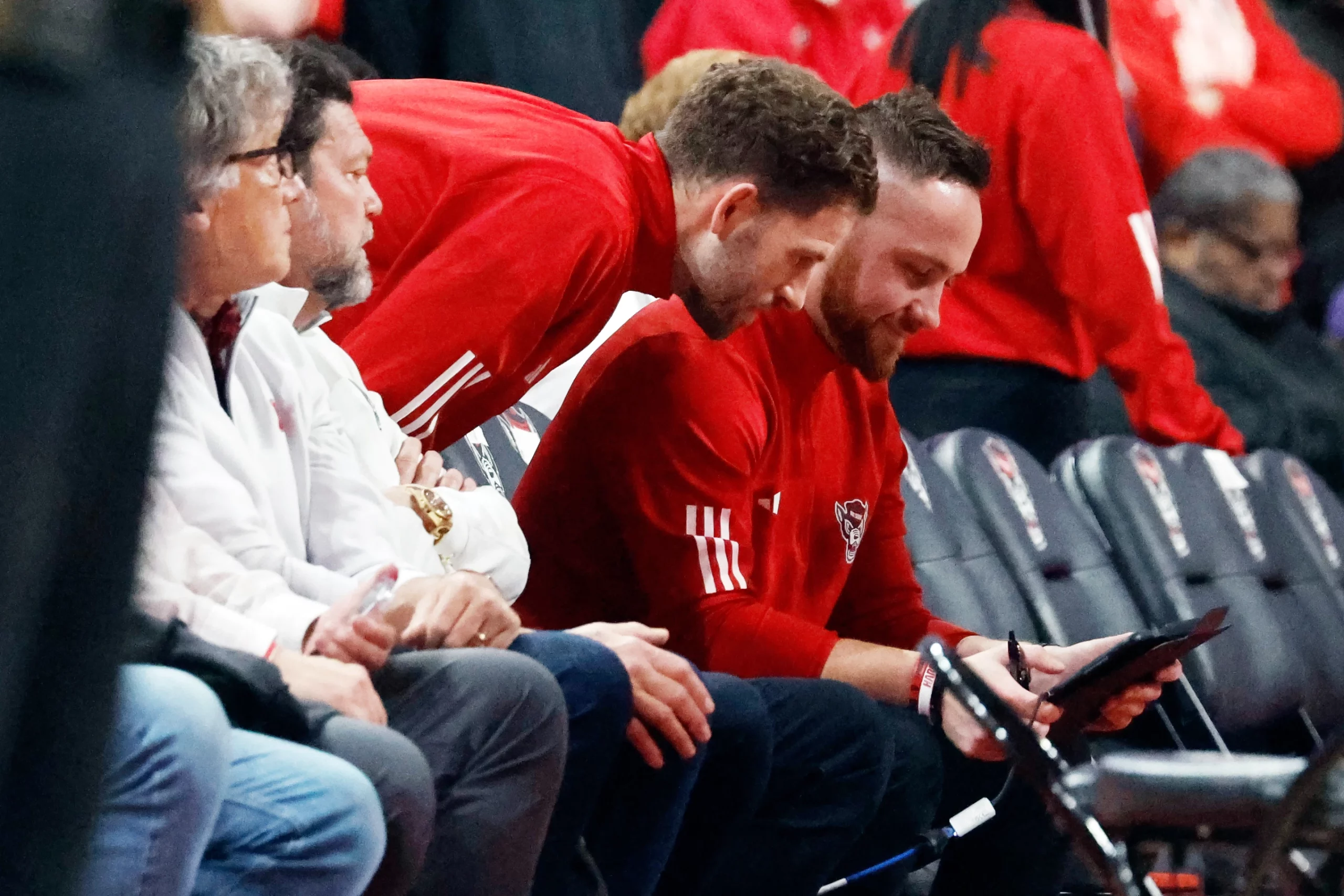
With 1:10 left and the Gators clinging to a three‑point lead over Iowa, freshman Boogie Fland drove to the rim and lost the ball as Hawkeyes forward Cooper Koch swatted at it. Officials ruled it Florida’s ball — until Iowa coach Ben McCollum turned to video coordinator Jace Smith, who had already reviewed the play on his iPad and gave an immediate green light to challenge.
The call was overturned. Iowa took possession, closed the game on a 5–1 run, and stunned the defending national champions 73–72 to reach the Sweet 16 for the first time since 1999.
It was the biggest moment of the tournament so far — and it happened because of a rule that is transforming college basketball in real time.
A new March Madness reality: video coordinators decide seasons
This is the first season coaches have been allowed to challenge certain calls. The rule was approved last June, and eight months later, it’s already altering the sport’s power structure.
Every men’s team gets one challenge per game, with the possibility of earning a second if the first is successful. That means video coordinators — often the youngest staffers on the bench — now have 10 to 15 seconds to make a decision that could swing a season.
Florida knows the value of that role as well as anyone. Earlier this year, video coordinator Nolan Crist spotted a hook‑and‑hold against Vanderbilt, leading to a seven‑point swing that helped the Gators win a game they were losing late.
“When a play happens and every coach turns around and looks at Nolan, he understands it’s his time to shine,” head coach Todd Golden said.
The challenge rule has changed the bench — and the refs
Because officials cannot access replay until the final two minutes, benches now have angles referees don’t. That creates what Golden calls a “gotcha” dynamic — one that can feel unfair to officials but undeniably increases accuracy.
In the SEC alone, 128 challenges were issued this season; 85 were overturned, a 2‑to‑1 ratio.
“If you can switch one or two calls a game to get them right, it rings truer to what the outcome should be,” said NC State assistant GM Patrick Stacy, who runs their challenge system.
Strategy is evolving fast — and Florida was on the wrong end of it
Teams are already developing tactics to buy time, including sending a substitute to the scorer’s table while the bench reviews the play. Most staffs save their challenge for high‑leverage moments — exactly the situation Iowa faced against Florida.
McCollum’s rule is simple: don’t challenge unless you’re 100% certain.
Against the Gators, Smith didn’t hesitate.
“He called out to me, ‘Challenge that one, coach,’” McCollum said. “He was 100% sure.”
Iowa has now won nine of its ten challenges this season. Florida has been nearly as sharp, winning 10 of 12. But in March, the margins are razor thin — and this time, the Gators were on the wrong side of the rule they had mastered.
A rule that’s here to stay — and only getting bigger
Golden credits Florida’s success with challenges to detailed preparation, including a custom “challenge chart” for in‑game scenarios. But even he acknowledges the system is still evolving.
“You’re not going to be perfect, but it has been a huge part of our success,” Golden said.
And now, it’s part of their heartbreak.
The Gators’ season — and their title defense — ended because a staffer with an iPad made the right call for the other team. That’s the new March Madness. Games are faster, stakes are higher, and the smallest decisions carry the biggest consequences.
In 2026, coaches aren’t just managing players. They’re managing technology, timing, and trust.
And as Florida learned the hard way, one challenge can change everything.