Florida Senator makes a bold move to help FSU, Miami and USF
Power four FLORIDA STATE FOOTBALL FSU – PHOTO
A temporary realignment window with major implications
Florida’s U.S. Senator Ashley Moody has introduced an amendment to the bipartisan Protect College Sports Act of 2026 that could dramatically reshape the realignment landscape. Her proposal would temporarily relax one of the bill’s most restrictive provisions, creating a short‑term opportunity for Power Four schools to change conferences without facing a five‑year probation period as an independent.
This bill was not voted on Friday, August 7, 2026, and it will not hit the Senate floor again until at least September and perhaps even October.
The current rule and why it matters
Under the existing language, any SEC, Big Ten, Big 12, or ACC school attempting to move to another power conference would be forced to operate independently for five years before joining its new league. The rule was designed to slow the rapid realignment that has defined college sports in recent years, including Texas and Oklahoma’s move to the SEC and USC and UCLA’s jump to the Big Ten.
Moody’s amendment would carve out a 180‑day exception after the bill becomes law. During that window, schools could switch conferences without triggering the probation period.
What the amendment means for Florida
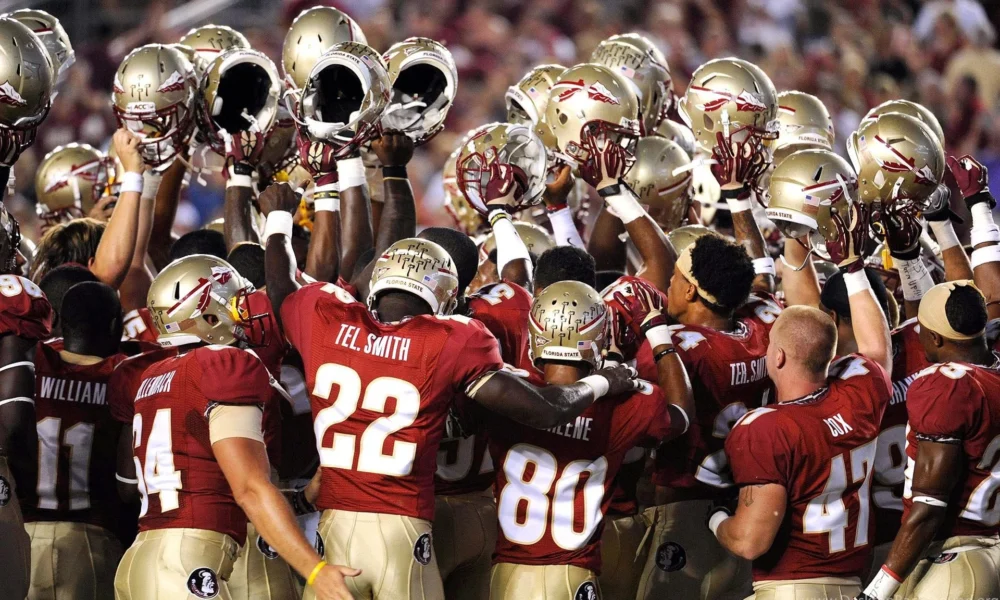
The proposal immediately places Florida State and Miami at the center of the conversation. Both ACC programs have long been linked to potential moves to the SEC or Big Ten, driven by revenue gaps, media value, and long‑term competitive positioning. Moody’s amendment would give them a rare chance to act quickly without facing years of independence.
For USF, the implications are different but still significant. A temporary realignment window could accelerate movement across the Big 12 and ACC, potentially opening a path for the Bulls if either conference seeks to stabilize membership or expand strategically. USF’s market size, institutional profile, and ongoing athletic investment make it a viable candidate in a shifting landscape.
A broader national impact
Moody’s proposal also reflects a larger debate within college athletics. Lawmakers are attempting to balance stability with flexibility, ensuring schools are not trapped in unfavorable conference situations while preventing chaotic, unchecked realignment. Other Power Four schools with similar ambitions could also benefit from the temporary exception.
What comes next
If adopted, the amendment would create one of the most consequential short‑term realignment windows in college sports history. Florida State, Miami, and USF would all face major decisions, and the ripple effects could reshape the ACC, SEC, Big Ten, and Big 12 for years to come.