Connect with us

Politics

Florida must lead on securing health care from China’s influence

Published

on


A growing yet largely overlooked threat is quietly taking root in America’s health care system: the widespread use of Chinese-manufactured medical devices.

This threat comes from the very technology that patients trust to keep them alive. While the issue lacks the urgency of a breaking news crisis, it poses serious long-term risks to patient privacy, health care security, and U.S. economic independence.

Many of these devices — such as internet-connected monitors, pumps, and diagnostic tools — are now embedded in hospitals and clinics across the country, including in Florida. That integration has come with an invisible cost: dependence on companies that operate under the authority of the Chinese Communist Party (CCP), which can compel access to data or cooperation with espionage efforts at any time.

This is not speculation. Both the FDA and the Cybersecurity and Infrastructure Security Agency have warned that many of these devices are vulnerable to cyberattacks. In the wrong hands, even a basic hospital monitor could serve as a backdoor into critical care systems — exposing sensitive patient data or disrupting services during emergencies.

It’s a wake-up call for state policymakers: securing our health care system must include safeguarding the supply chains that support it. And Florida is uniquely positioned to lead that effort.

Governor DeSantis has already taken bold action to push back against CCP influence — blocking land purchases near military bases, scrutinizing university partnerships, and strengthening consumer protections. Attorney General James Uthmeier has helped uncover foreign threats to our digital infrastructure. The next frontier must be protecting the integrity of Florida’s health care system.

The federal government has begun addressing supply chain risks, but progress is slow. States don’t have to wait. Florida should act now to ensure its health care dollars don’t underwrite foreign control.

State leaders can and should take the lead on solutions rooted in free-market principles and national security. Florida’s health agencies and procurement boards should only purchase medical devices that meet rigorous cybersecurity and supply chain transparency standards. Devices tied to companies influenced by the CCP should not be eligible for taxpayer-funded contracts. The Florida Legislature can condition Medicaid reimbursements and other health care funding on providers using secure, CCP-free medical equipment. Hospitals and clinics receiving public dollars must be accountable for the origin and integrity of the technology they rely on.

Rather than regulate from the top down, Florida should empower innovation. Strategic tax credits, targeted grants, and preference in state contracts can help build a stronger domestic manufacturing base. Supporting American-made medical devices strengthens both health care and economic resilience. President Trump’s call to revive American manufacturing aligns directly with this effort.

Additionally, Florida can set the standard for national reform by creating a voluntary certification system that identifies vendors meeting high cybersecurity and transparency benchmarks. Providers would remain free to choose, but the state can reward compliance with procurement advantages and incentives.

This is not about economic isolationism; it’s about defending fair competition and security. Chinese medical device makers often benefit from state subsidies, forced technology transfer, and a lack of transparency. U.S. firms can compete and win on quality, innovation, and trust if the rules are enforced fairly.

But Florida doesn’t need to wait for Washington. With smart, market-aligned policies, our state can lead the way in securing health care from foreign dependence. Every Floridian deserves confidence that the technology keeping them alive is safe, secure, and under American control.

Let’s not hand a strategic advantage to a foreign adversary inside our own hospitals.

___

Doug Wheeler is the director of the George Gibbs Center for Economic Prosperity at The James Madison Institute.

Source link

Continue Reading

Politics

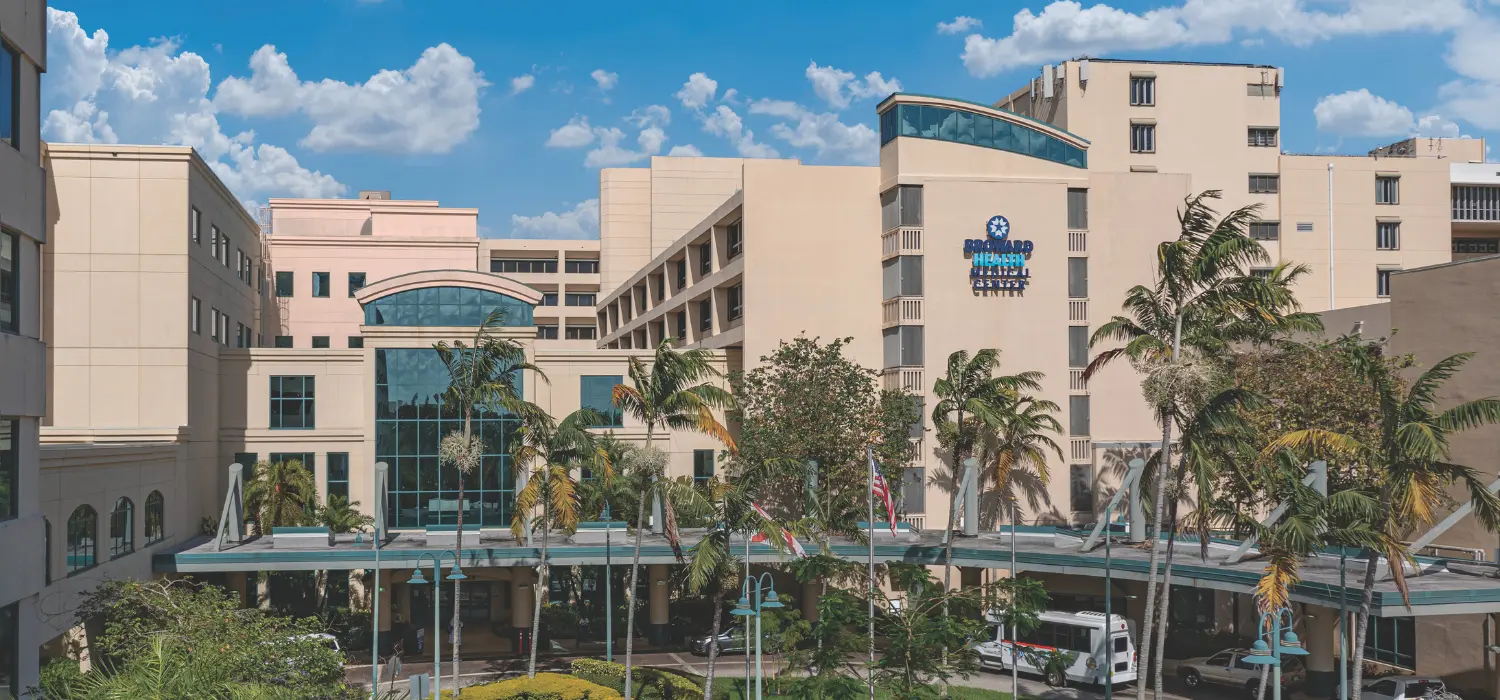
Shared services agreement falls flat with Broward voters

Published

on


If something isn’t broken, don’t fix it — especially not behind closed doors.

That’s the message coming through in a new poll by The Tyson Group gauging public sentiment on a proposed shared services agreement between the North and South Broward Hospital districts.

The survey asked likely Broward County voters whether they approve or disapprove of the health care services currently available in the county. Nearly two-thirds (65%) say they approve, including 30% who strongly approve. Just 22% say they disapprove of Broward’s health services.

When asked whether the North and South Broward Hospital Districts should be allowed to change how they operate “without triggering the legal requirements, transparency, or voter approval normally required for a full merger,” nearly three-quarters of respondents (73%) said no, including 62% who said “definitely no.”  Only 16% say the Districts should be allowed.

The polling comes after Sarasota Republican Sen. Joe Gruters and Dania Beach Republican Rep. Hillary Cassel filed bills that would authorize two or more special hospital districts to jointly form, participate in, or control a wide range of collaborative health care ventures — including public or private, for-profit or nonprofit entities — anywhere within their combined boundaries.

Notably, the legislation would explicitly give the Districts and their partners immunity from state action, allowing them to collaborate regardless of anticompetitive effects or potential conflicts with state or federal antitrust laws.

When similar bills were filed last Session, critics warned that it amounted to a backdoor merger that would bypass public scrutiny, regulatory review and possibly a countywide referendum otherwise required under state law. Memorial Healthcare System employees, physicians and community advocates raised alarms about transparency, governance and the potential shifting of financial burdens from North Broward’s struggling Broward Health system onto South Broward taxpayers.

“Once voters understood that the shared services agreement would go into effect without public review or voter approval, it was impossible to generate support. Each message we tested reinforced the negative perception that the shared services agreement was a shady deal designed to circumvent quality control,” the polling memo reads.

Messaging tests in the survey included transparency, lack of a taxpayer vote, financial mismanagement, and consolidation of power — on each front, more than 60% of those polled express concern while no more than 10% are unbothered.

By the end of the poll, just 21% said they supported a shared services agreement, with 63% in opposition, including 47% who say they “strongly oppose” the deal.

The survey was conducted Dec. 8-10. The sample includes 500 likely voters in Broward County and carries a margin of error of 4.38 percentage points.

___

Jesse Scheckner of Florida Politics contributed to this report.


Source link

Continue Reading

Politics

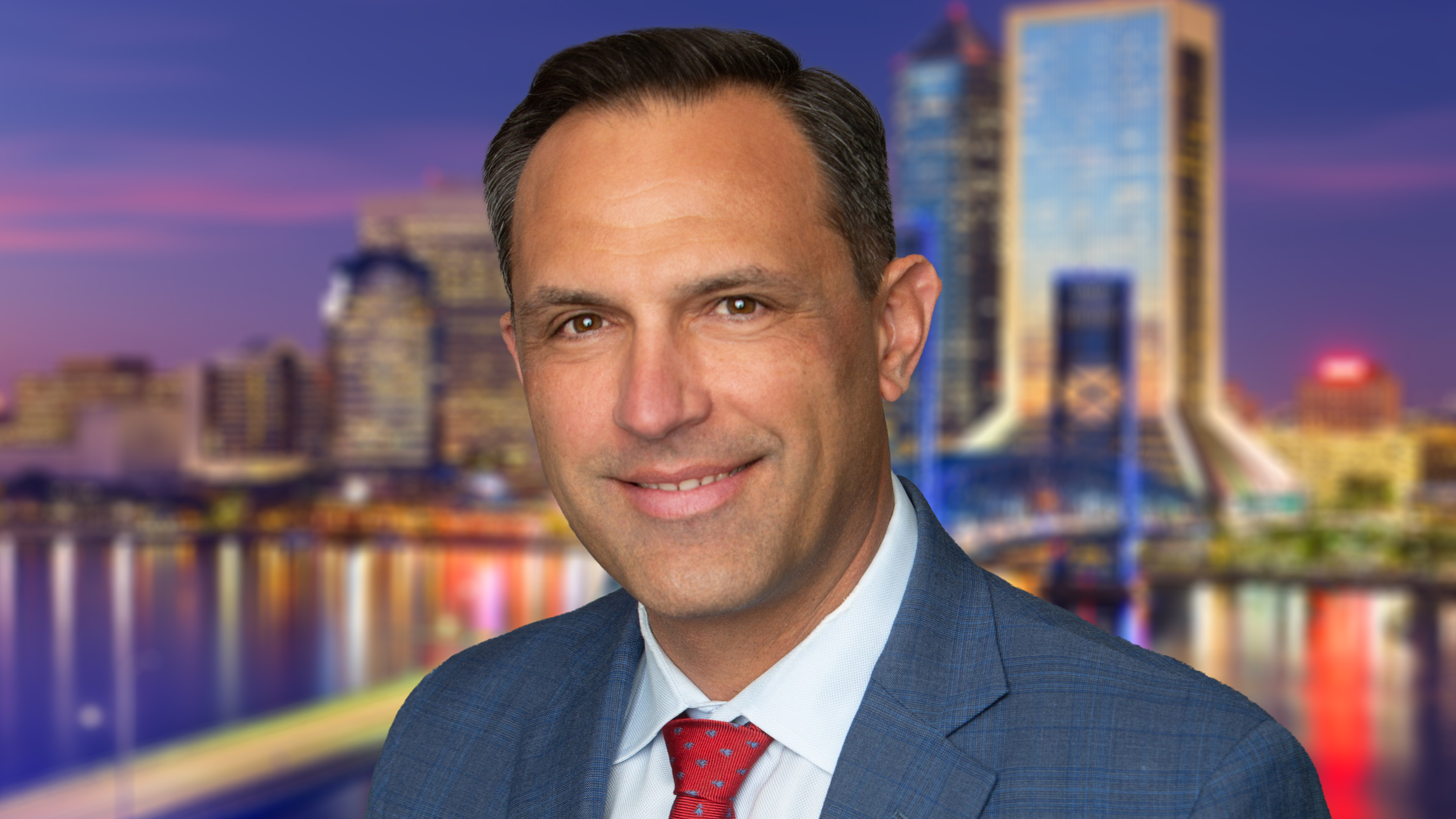
Matt McCullough joins race to replace Matt Carlucci on Jacksonville City Council

Published

on


A third candidate has joined the race in Jacksonville City Council at-large Group 4 to replace term-limited Matt Carlucci.

“After thoughtful discussions and with the support of my family, I am excited to officially announce my candidacy,” Matt McCullough said in a statement announcing his bid.

McCullough, a former Navy pilot who flew during the global war on terror in Operations Iraqi Freedom, Enduring Freedom and Active Endeavor, and has received two Air Medals, Navy Commendation Medals, a Meritorious Service Medal, and recognition as both Combat Aircrew of the Year and Pilot of the Year.

He currently is North Florida’s Navy Emergency Preparedness Liaison Officer, and believes that his military background is a unique value-add as he enters politics.

“As a veteran, I know what leadership and delivering results looks like. Jacksonville deserves a city government that works to put our residents first, keeps our neighborhoods safe, and invests responsibly in our future,” McCullough said. “I’ve had the honor of wearing our nation’s uniform and lead under pressure. I am ready to bring that leadership to City Hall on day one and continue my service on the Jacksonville City Council.”

Carlucci has yet to endorse in this race between three Republicans, in which a real front-runner has yet to emerge.

April Ethridge, an Army vet with an MBA, has raised just $1,550 after being in the race for the better part of 2025.

Andrew McCann, who made his career in medical services before he “made the pivotal decision to step away from corporate life to focus on his family, personal growth, and the betterment of Jacksonville,” raised and self-funded $13,100 since entering the race at the end of October.

Qualifying runs from noon on Jan. 11, 2027, to noon on Jan. 15, 2027. The First Election is March 9, 2027, while the General Election, which sees the top two finishers square off regardless of party label unless someone gets a majority in March, is May 18.


Source link

Continue Reading

Politics

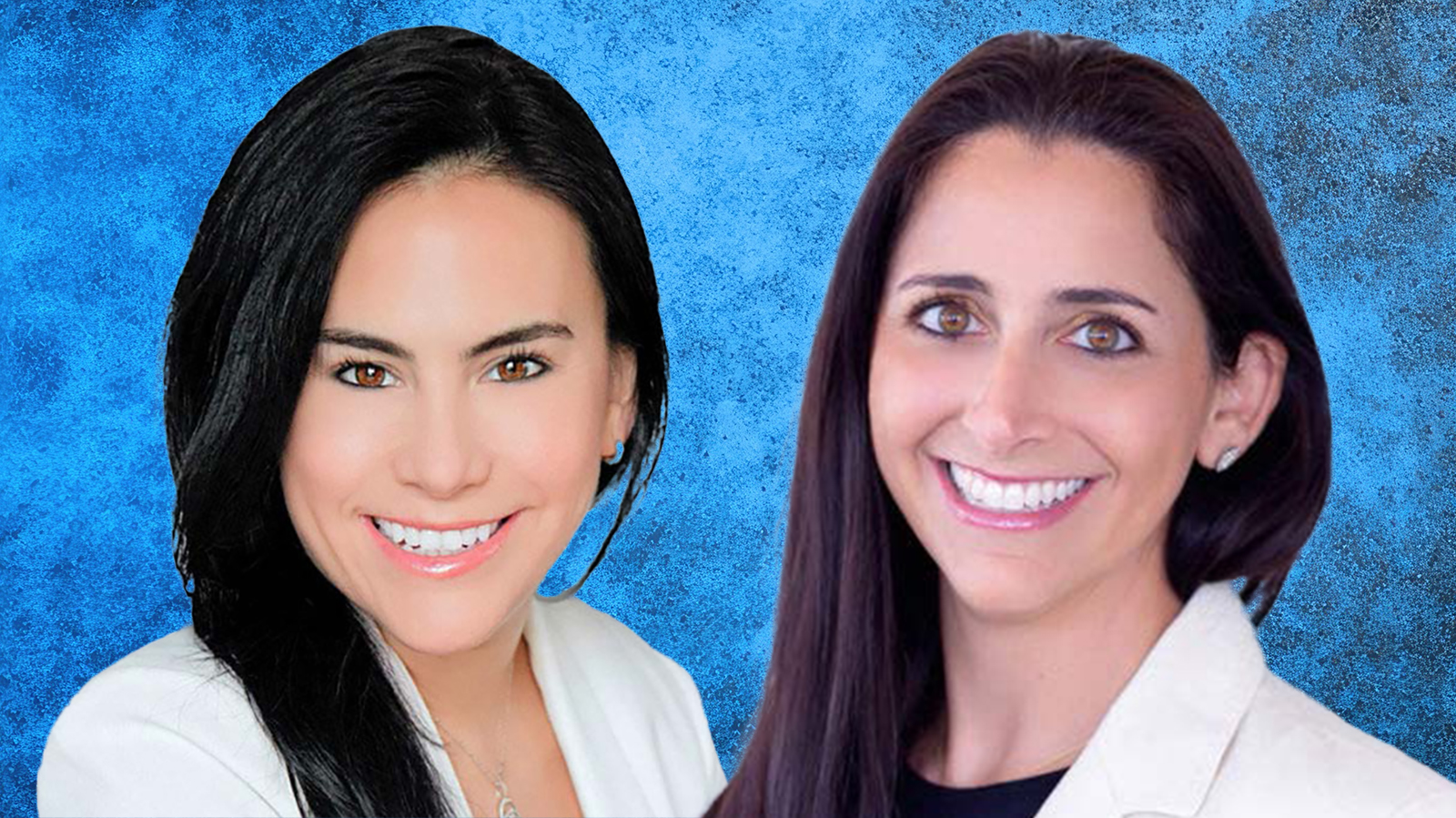
Nicole Gomez Goldmeier, Jackie Arboleda promoted at LSN Partners

Published

on


Two weeks after announcing its first round of 2026 promotions, LSN Partners is following up with a couple more as it continues expanding its local, state and federal practices.

Round 2 includes the elevation of Nicole Gomez Goldmeier to Chief Growth Officer and Jackie Arboleda to Chief Marketing and Community Relations Officer.

Gomez Goldmeier previously held the COO title at LSN Partners. In her new role, she will drive revenue growth and business development for the firm with a focus on strengthening long-standing client relationships, advancing expansion into key markets driven by client demand, and supporting strategic engagement.

She will remain actively involved in the firm’s Republican Governors and Mayors practice, reinforcing LSN’s position as a trusted bipartisan adviser.

“Nicole understands our clients and the public-sector landscape in a way that few people do,” said Alex Heckler, founder and Managing Partner of LSN Partners. “She has played a central role in how we build relationships, identify opportunities, and position the firm for long-term success. This role formalizes the work she has already been leading.”

Arboleda, meanwhile, will oversee the firm’s marketing, communications, brand positioning and community engagement, ensuring that LSN’s messaging, events and external presence reflect the firm’s strategic priorities and client-focused initiatives.

LSN said she will continue serving as a leader within the firm’s health care practice while working directly with clients as a project manager, adding that her dual focus on marketing leadership and project management strengthens the firm’s ability to deliver results to clients across markets nationwide.

“Jackie has helped shape how clients experience and engage with LSN and how the firm is perceived in the market,” Heckler said. “Her understanding of our clients, our culture, and our mission allows her to deliver results at the highest level, whether in our healthcare practice or driving the firm’s communications strategy.”


Source link

Continue Reading

Trending

Copyright © Miami Select.