
Politics
Florida must act to curb rising preterm birth crisis
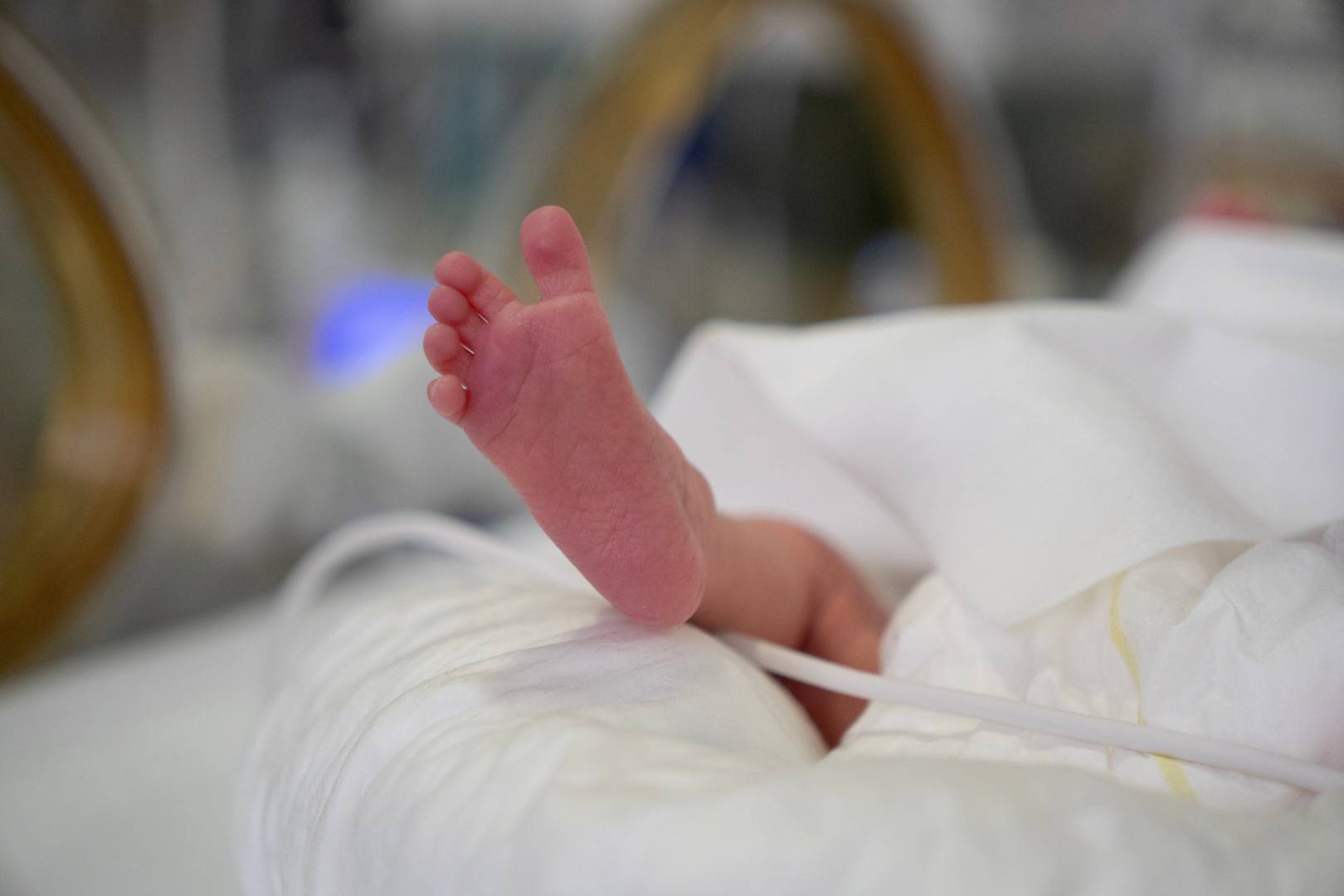
Florida is home to some of the nation’s fastest-growing communities, yet maternal health outcomes continue to fall short.
Nearly one in five counties is a maternity-care desert, and more than 3,400 women in rural regions lack any local access to obstetric services. Many must drive an hour or more for basic prenatal care. When care begins late, complications escalate, and the consequences show up in our neonatal intensive care units, our long-term health costs and our workforce.
Florida lawmakers have a narrowing window to address one of the most urgent health challenges facing families across the state: our rising preterm birth rate. Florida’s rate now stands at 10.7%, higher than the national average of 10%, and every percentage point represents thousands of babies born too soon and families thrust into crisis.
According to the March of Dimes, in Florida, this means more than 23,000 babies are born preterm every year. These numbers are not abstract. They are a direct reflection of gaps in access, infrastructure, and policy.
These disparities are particularly stark in rural Florida, where hospital closures, provider shortages, and limited transportation complicate even routine prenatal visits. Broadband gaps make telehealth inconsistent. Ambulance shortages delay care during obstetric emergencies. Families too often end up in emergency rooms without obstetric expertise, leading to preventable harm.

For lawmakers weighing health care investments this Session, one thing should be clear: maternal health is not improving on its own. Florida must take deliberate action to reverse these trends.
Fortunately, Florida already has a powerful asset capable of delivering fast, measurable impact: our network of Community Health Centers.
CHCs serve more than 1.7 million Floridians across all 67 counties, including nearly 455,000 women of childbearing age. For many families, especially in rural communities, prenatal care is the only accessible entry point. They offer pregnancy testing and first-trimester visits without requiring insurance, an essential service in a state where Medicaid approval can take up to 45 days.
That delay pushes many mothers past the critical early window when conditions such as hypertension, diabetes and high-risk complications can be identified and managed.
Early access is one of the strongest predictors of healthy pregnancy outcomes. CHCs ensure that early screening occurs and leads to timely, coordinated care. They also integrate behavioral health, offering counseling and mental-health support during pregnancy and postpartum, when suicide and overdose have become leading causes of maternal death.

This spring, Florida’s Community Health Centers and partners will convene for the Florida Association of Community Health Centers’ Maternal Health Convening, bringing together leaders to advance stronger postpartum support, improved mental health screening, and policy solutions to close maternal health gaps. The timing is no coincidence. The strategies discussed there, from workforce pipelines to transportation solutions to care-coordination models, are exactly the tools lawmakers can deploy to improve outcomes statewide.
The stakes are high. More than one-third of Florida women enter pregnancy with a chronic condition that increases their risk of complications and preterm birth. Counties with the highest chronic disease burden consistently see the poorest birth outcomes. Without targeted investment, these trends will continue, and the families most affected will be those with the fewest resources to navigate additional challenges.
Recent policy progress shows what is possible. Florida’s extension of Medicaid postpartum coverage to 12 months was a critical step toward supporting new mothers during a period when one-third of pregnancy-related deaths occur. But coverage alone is not enough. Without adequate capacity, extended coverage simply shifts mothers onto a longer waitlist. CHCs are uniquely positioned to deliver the care that coverage promises.
Lawmakers now face several opportunities to strengthen maternal‑health access across the state, including expanding mobile clinics and community‑based midwifery in maternity‑care deserts, increasing investments in mental‑health screening and integrated behavioral‑health services — particularly in rural regions — modernizing Medicaid reimbursement to support comprehensive maternal‑health services delivered through Community Health Centers, bolstering transportation, remote‑monitoring and care‑navigation programs that help mothers overcome logistical barriers and growing the maternal‑health workforce through dedicated training pipelines, loan‑repayment incentives and rural‑service pathways.
Community Health Centers already provide many of these services, and they work. They keep clinics open during hurricanes when private practices close. They provide prenatal monitoring, refill medications, and deliver crisis counseling when families need it most. They fill gaps that no other health care provider can.
Florida has the infrastructure. We have a proven model. We have the data. What we need now is decisive action.
Our state cannot afford to accept a 10.7% preterm-birth rate as normal. If we want healthier mothers, stronger families and a more resilient workforce, policymakers must prioritize maternal health and invest in the Community Health Centers that deliver results.
Florida can reverse its maternal-health trajectory. The path is clear. The question is whether lawmakers will take it.
___
Jonathan Chapman is president and CEO of the Florida Association of Community Health Centers, Inc. (FACHC).