The NFL and the state of Florida could be headed for a major showdown that threatens Miami and Tampa’s chances to host future Super Bowls, Pro Bowls, and other league showcases. With new stadiums and modern entertainment districts popping up across the country, competition for NFL events has never been tighter.
Florida’s latest move may turn that competition into a cold shoulder. Earlier this month, Attorney General James Uthmeier sent a letter to NFL Commissioner Roger Goodell urging the league to nix its long-standing Rooney Rule, calling the policy “illegal” and “blatant race and sex discrimination.”
Florida targets the Rooney Rule
The Rooney Rule, adopted in 2003 and named after late Pittsburgh Steelers owner Dan Rooney, requires NFL teams to interview at least two minority candidates for key leadership positions before making a hire. It was introduced to counter the “old boys’ network” that had long dominated NFL front offices.
Uthmeier’s letter argues the policy violates the Florida Civil Rights Act, which prohibits employers from hiring or classifying applicants based on race, sex, or other protected categories. According to the letter, the rule forces teams “to limit, segregate, and classify applicants” and “deprive them of opportunities for employment.”
Right now, only three of the league’s 32 head coaches are Black. None of them were hired this offseason, although several minority coaches were promoted to coordinator roles.
Goodell stands firm on league values
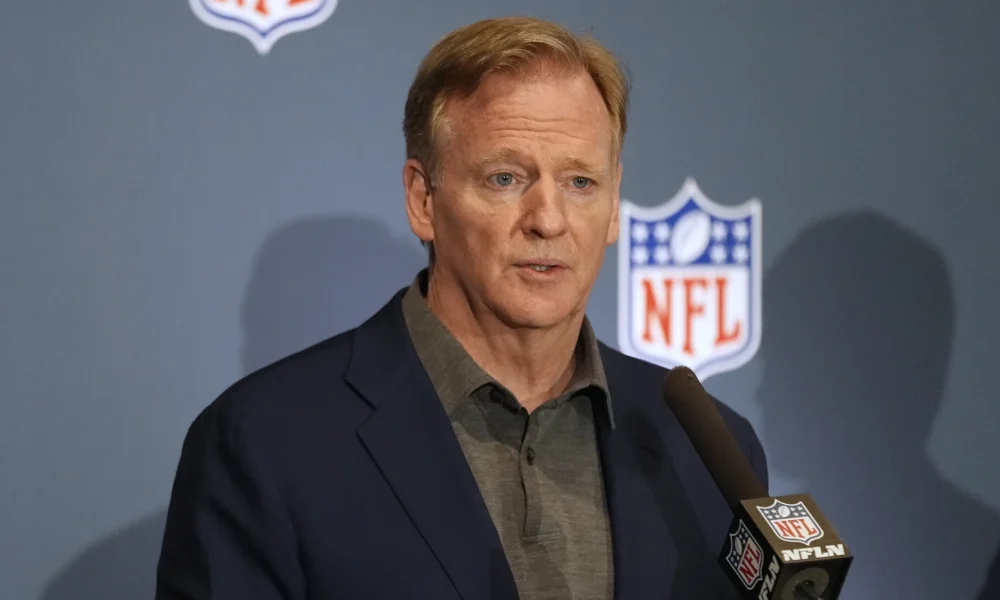
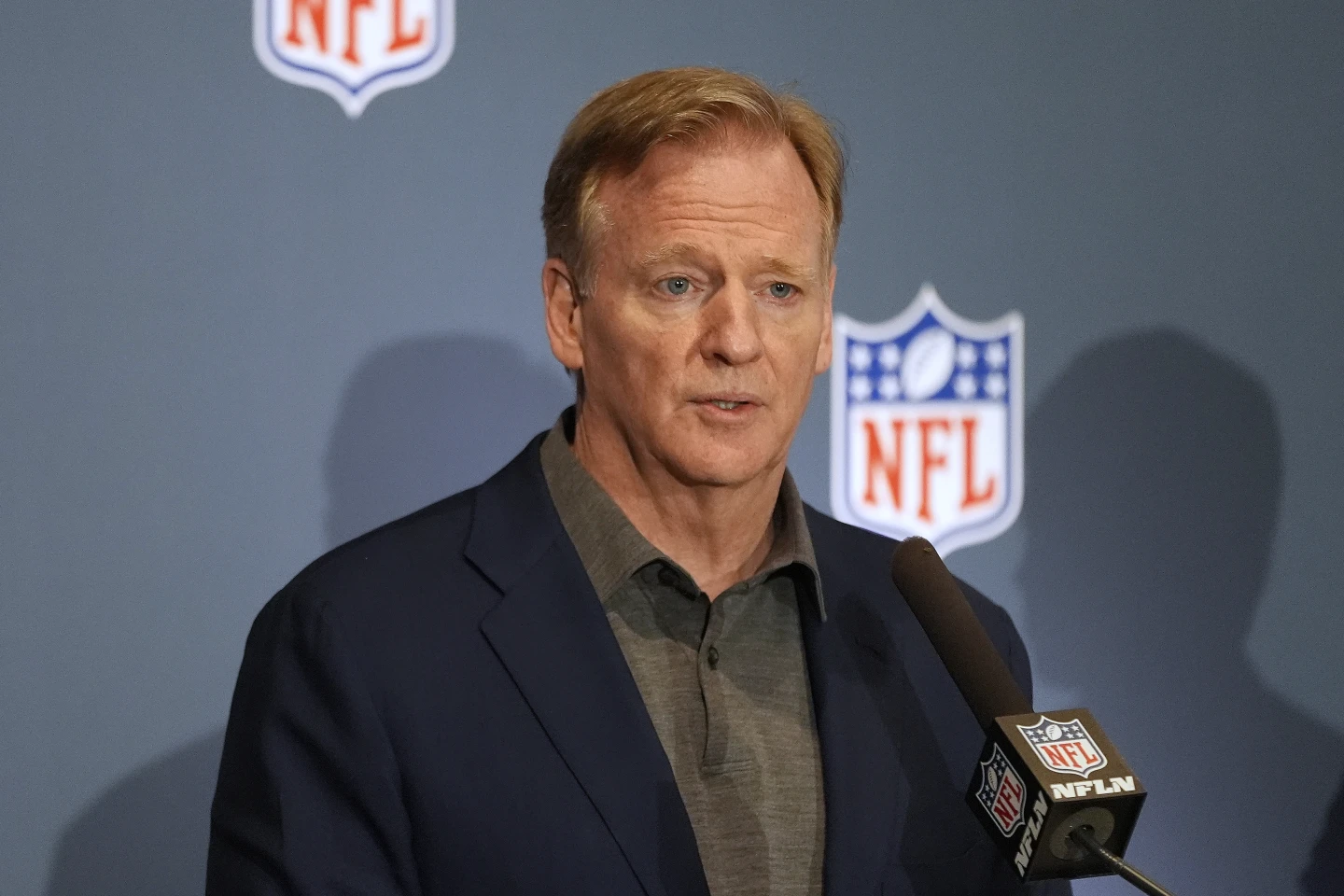
NFL Commissioner Roger Goodell didn’t back down. Speaking at last month’s league meetings, he made it clear the NFL will not abandon the Rooney Rule despite Florida’s threats of legal action.
“One thing that doesn’t change is our values,” Goodell told reporters. “We believe diversity has been a benefit to the National Football League.”
Goodell’s stance underscores the league’s broader commitment to inclusion, even as some states seek to challenge those efforts. The NFL continues to fund diversity-focused hiring and training programs across teams and league offices.
Lessons from Arizona and Atlanta loom large
If Florida lawmakers follow through with a lawsuit, the consequences could echo two high-profile moments in U.S. sports history.
In 1990, the NFL pulled the Super Bowl out of Arizona after voters rejected recognizing Martin Luther King Jr. Day as a state holiday. It wasn’t until 1996 that the Super Bowl returned, following the state’s reversal.
Major League Baseball took a similar stand in 2021, removing the All-Star Game from Atlanta in response to Georgia’s controversial voting laws. The message from sports leagues remains clear: political and social conflicts can cost cities marquee events and millions in tourism revenue.
Florida is gambling, and it could cost the state more than pride
By challenging the Rooney Rule, Florida’s leaders might alienate not only the NFL but also the NBA, NHL, and MLB—all of which have aligned publicly with diversity and inclusion principles. Events like the Super Bowl, All-Star weekend, and major championship games bring enormous economic benefits that no state wants to lose.
The culture war may play well in some local political circles, but it carries real financial stakes. If Florida pushes too hard, the Sunshine State could find itself playing defense while other cities cash in on the biggest moments in American sports.