
Politics
Florida is leading the next nuclear revolution
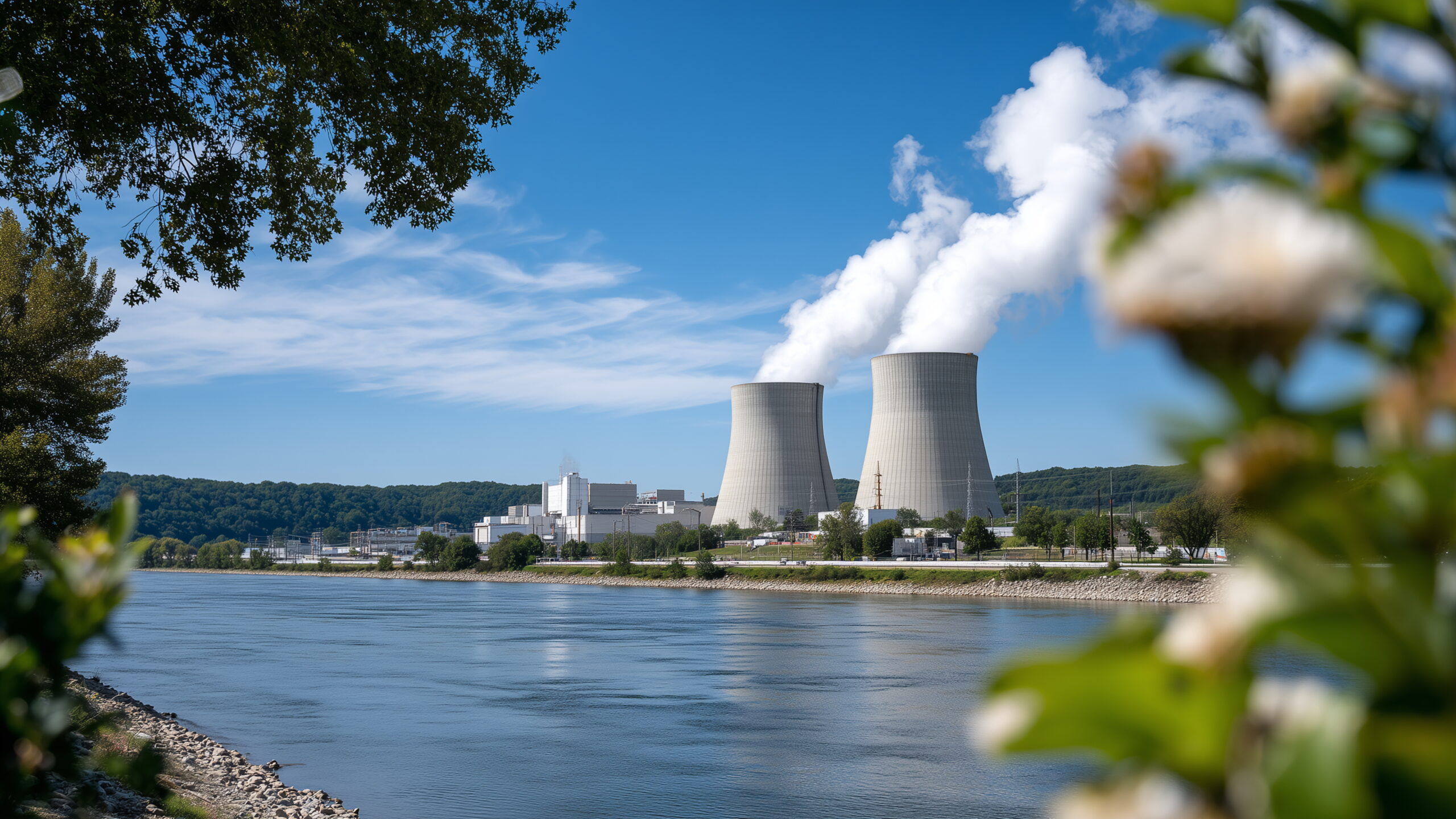
Across the country, energy demand is rising. Data centers, advanced manufacturing, population growth, and electrification are all putting new pressure on the grid.
Unfortunately, that has spilled over and is now also putting pressure on your wallet. If Florida wants to lower electricity costs and attract continued investment, the state needs to take the driver’s seat. House Bill 1461 does exactly that. It sets Florida up to lead the nation in energy innovation and, at the same time, help spur continued economic growth.
HB 1461 establishes a clear state-level framework for advanced nuclear reactors. Florida already gets almost 16% of its electricity from two reactors. This bill lays a foundation for next-generation designs and even fusion.
This early preparation matters. Today, 11 advanced reactor designs are in a pilot testing program near Atomic City, Idaho. Atomic City is named for its history of nuclear energy development and is also home to the Idaho National Laboratory, which is overseeing a pilot program for the U.S. Department of Energy.
Several of these designs begin testing portions of their systems by July 4 of this year. Not every design will succeed, of course. Innovation works by testing ideas and learning. Yet some of these test designs will work. And when they do, the states that are prepared will be able to scale them quickly.

Florida should be one of those states.
HB 1461 is not a blank check. It does not weaken safety standards. In fact, it creates a tailored framework specifically designed for modern reactors, which are built with passive safety features, lower waste profiles, and improved fuel performance compared to older plants. At the same time, the bill right-sizes regulatory approvals by recognizing equivalent approvals from other states or federal agencies. This cuts duplicative red tape and maintains strong oversight.
In fact, much of the bill strengthens and clarifies how the state will ensure nuclear safety. Rather than relying solely on federal regulators, it empowers Florida’s Public Service Commission, Department of Health, and Department of Environmental Protection to oversee permitting, safety standards, and design certification. In short, it puts Florida officials in charge of shaping how this technology develops here.
Importantly, the bill also modernizes how Florida defines “clean energy.” For too long, many states have excluded nuclear from clean energy discussions, inherently preferring solar, wind, and others over nuclear. Yet nuclear power is really one of the most successful clean energy sources. As the Nuclear Energy Institute reports, it produces over half of the country’s carbon-free electricity.
Another smart feature of the bill is its support for “behind-the-meter” advanced reactors. That means a manufacturer, data center, or industrial campus could deploy a reactor to power its own operations — without being treated as a public utility serving the entire grid. For a state that competes aggressively for new investment, this is a powerful economic development tool. Reliable, on-site energy could become a signature Florida advantage.

Further, HB 1461 does not commit taxpayers to pay for the electricity used by industry. Your tax dollars aren’t going to support these new technologies. The bill simply creates a predictable, modern regulatory framework so that private companies can invest their own capital in Florida. Taxpayers won’t be on the hook for boondoggles like those of Georgia’s and South Carolina’s nuclear financing failures.
Florida is already home to experienced energy regulators, skilled engineers, and world-class research institutions. We also have existing power plant sites that could host next-generation reactors, including replacement projects that reuse infrastructure and grid connections. HB 1461 clears away uncertainty and signals that Florida is open for advanced nuclear innovation.
With advanced nuclear reactors nearing real-world testing in Idaho, this is no longer a distant-future debate. It’s happening now. Florida can either wait and watch — or prepare and lead.
HB 1461 is a forward-looking step that says Florida intends to lead.
___
Mark Miller is the Director of Environment and Natural Resources Litigation at Pacific Legal Institute and a Florida resident. Josh T. Smith is the senior fellow for Abundance and Environment and Natural Resources at PLF.