
Politics
Florida constricts Burmese python population with surge in kills, Gov. DeSantis says


Florida’s snake killers are recording big numbers, getting rid of 748 pythons in July — more than triple the number from the same time period last year.
“In the month of July alone, the program removed more pythons than the entire 12 months pre-transition. That’s incredible that they’re doing it,” Gov. Ron DeSantis said.
DeSantis announced the latest numbers during a press conference standing next to handlers holding one of the snakes that are wreaking havoc in the Everglades.
“Anybody want to come pet? It’s free,” DeSantis teased.
The Florida Fish and Wildlife Conservation Commission (FWC) is now partnering with Miami-based Inversa, which helps kill the snakes. Inversa then markets the leather from the invasive species to make boots, belts and other items.
DeSantis admired a python baseball saying, “I think that’s going to be something we’ll put in the office.”
DeSantis called the partnership between the state and Inversa an unexpected success.
“I didn’t know that the numbers would be this dramatic, I must confess. So, it’s been a pleasant surprise to see the progress.”
The state budgeted $2 million for FWC to fund python removal efforts this year. Some of the money has gone toward monetary prizes for snake hunters in the annual Florida Python Challenge.
“People that are professional python hunters but also novices come from all around the world for the chance to hunt and bag their python,” DeSantis said.

He made the call to lawmakers to “keep the momentum going” when the Legislative Session resumes next year.
“We want to work with the Florida Legislature to make sure that this funding stays in place so that we continue to do what needs to be done to rid the Everglades of this invasive species,” DeSantis said.
A female python can lay up to 100 eggs at one time, which has helped the apex predator dominate the Everglades.
“These things will take out a deer,” DeSantis said.
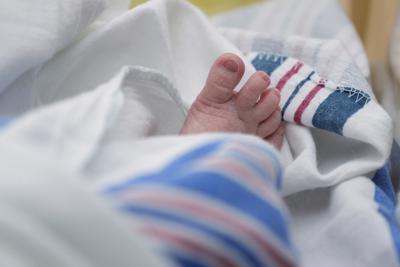
The policy expansion is retroactive through November 2024.
The House is expanding its paid parental leave policy when employees have a baby or adopt a child, House Speaker Daniel Perez announced.
The policy takes effect immediately and applies retroactively for parents who took leave from Nov. 19, 2024, onward.
Going forward, full-time salaried employees will get up to seven consecutive weeks of paid parental leave for maternity leave after childbirth.
The House will also offer mothers and fathers paid care and bonding leave for up to two weeks within one year after a child’s birth or adoption. The care and bonding leave “may be granted on an intermittent basis” and can’t be taken during the 60-day Legislative Session. It requires supervisor approval as well, Perez’s memo said.
It’s an expansion from the current policy, which Perez explained in the memo.
“As has been the policy of the House, an employee who is the father or mother of a natural born or adopted child will continue to be granted parental leave for a period not to exceed three months total,” Perez’s memo said.
“The employee may include in the request for parental leave one or all of the following types of leave: (new) paid parental leave when allowable; up to 240 hours of accrued sick leave; annual leave; compensatory leave; personal holiday; and leave without pay.”
To help retroactively, the House Office of Administration and Professional Development will be contacting employees to talk about their situations.
The majority of Americans don’t get paid time off for childbirth, according to a 2019 Kaiser Foundation study.
A few major employers in Florida are offering the benefit to new parents.

Publix, for instance, began offering full- and part-time employees paid parental leave in 2022.
“We frequently review our benefits to continually offer a comprehensive package to our associates,” Publix spokesperson Maria Brous told Florida Politics at the time the policy was unveiled.
Politics
Ben Albritton on the future of property tax proposals in the Senate: ‘We’re still measuring’
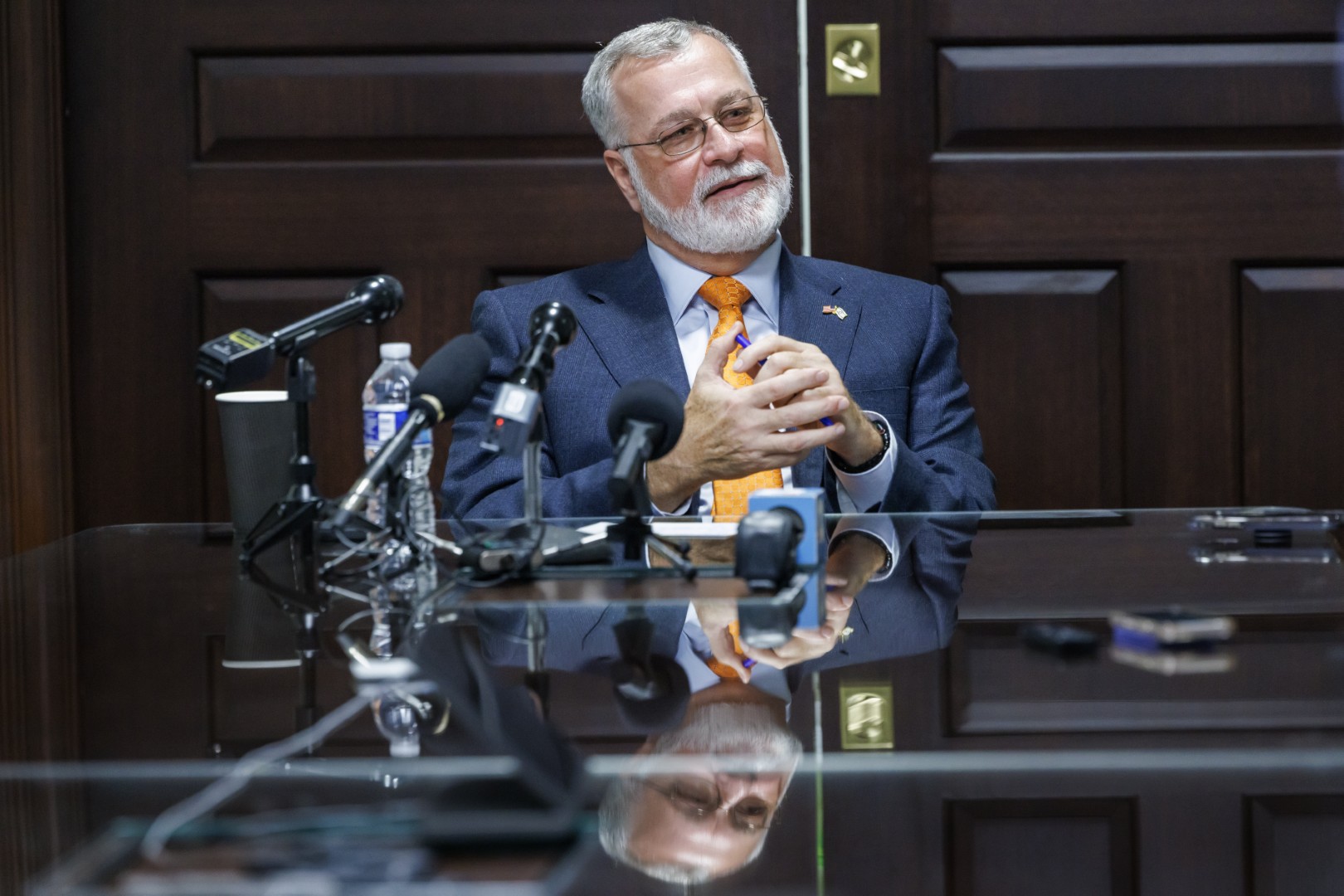
With eight proposals on eliminating or cutting property taxes moving through the House and Gov. Ron DeSantis maintaining that none go far enough, many are looking more and more to the Senate for signs of what, if any, change could be coming.
As he’s done in months past, Senate President Ben Albritton is advocating for a cautious, unhurried approach.
“Honest to goodness, we’re still measuring,” Albritton told reporters Monday. “We’ve looked at the House proposals, and every one of those has a certain amount of cost to it and a certain amount of impact to Floridians.”
Albritton said that while the Senate is committed to delivering financial relief to Floridians in the form of property tax cuts or rollbacks, he and others in the chamber are cognizant that many core services at the local level stand to be adversely affected if it’s done carelessly.
“Every Floridian … depends on the fact that if they call 911, somebody comes to their place, somebody comes to help them,” he said. “We’ve got to be thoughtful about that.”
Asked whether the Governor has unilateral authority to redistribute funds derived from well-to-do counties like Miami-Dade, Broward, Palm Beach and Orange to 29 fiscally constrained, mostly rural counties — as DeSantis has proposed doing — Albritton’s answer was more definitive: “No.”
“The Florida Legislature (is) given the power to appropriate. The Governor is certainly the chief executive. He has the ability to veto or be supportive. He has, I would say, the ability and the opportunity to be able to share perspective in his budget request and when he lays out the budget,” he said.
“The opportunity to backfill lies in the Legislature.”
On the idea of cash-strapped counties asking the state for funding annually that they’d otherwise generate locally, Albritton said it’s “certainly a concern.”
“Do I love the idea? Of course not,” he said. “But I (believe) affordability is a challenge, and providing some relief in the property tax space is a great way to do that, and especially for (homesteaded) Floridians … that’s great.”

Albritton pushed back on the idea that eliminating property taxes would lead to a “gold rush” of wealthy transplants to the Sunshine State, stressing that he is “optimistic” about the prospect despite its potentially negative effects.
“But it’s not that simple,” he said. “And that’s one of the things that I’m finding in that here again: Don’t take down a fence until you know why it was put up.”



Galeries Lafayette’s Arthur Lemoine says opening in Mumbai presents a unique opportunity to be a pioneer in India

House expands paid parental leave for employees, Daniel Perez says

Baby boomers have ‘gobbled up’ the wealth share, leaving Gen Z to wait for Great Wealth Transfer
-

 Politics8 years ago
Congress rolls out ‘Better Deal,’ new economic agenda
-
Entertainment8 years ago
New Season 8 Walking Dead trailer flashes forward in time
-
Politics8 years ago
Poll: Virginia governor’s race in dead heat
-
Entertainment8 years ago
The final 6 ‘Game of Thrones’ episodes might feel like a full season
-
Entertainment8 years ago
Meet Superman’s grandfather in new trailer for Krypton
-
Politics8 years ago
Illinois’ financial crisis could bring the state to a halt
-
Business8 years ago
6 Stunning new co-working spaces around the globe
-
Tech8 years ago
Hulu hires Google marketing veteran Kelly Campbell as CMO