
Politics
Florida Communities Certification Association launches to improve condo transparency, safety, cost
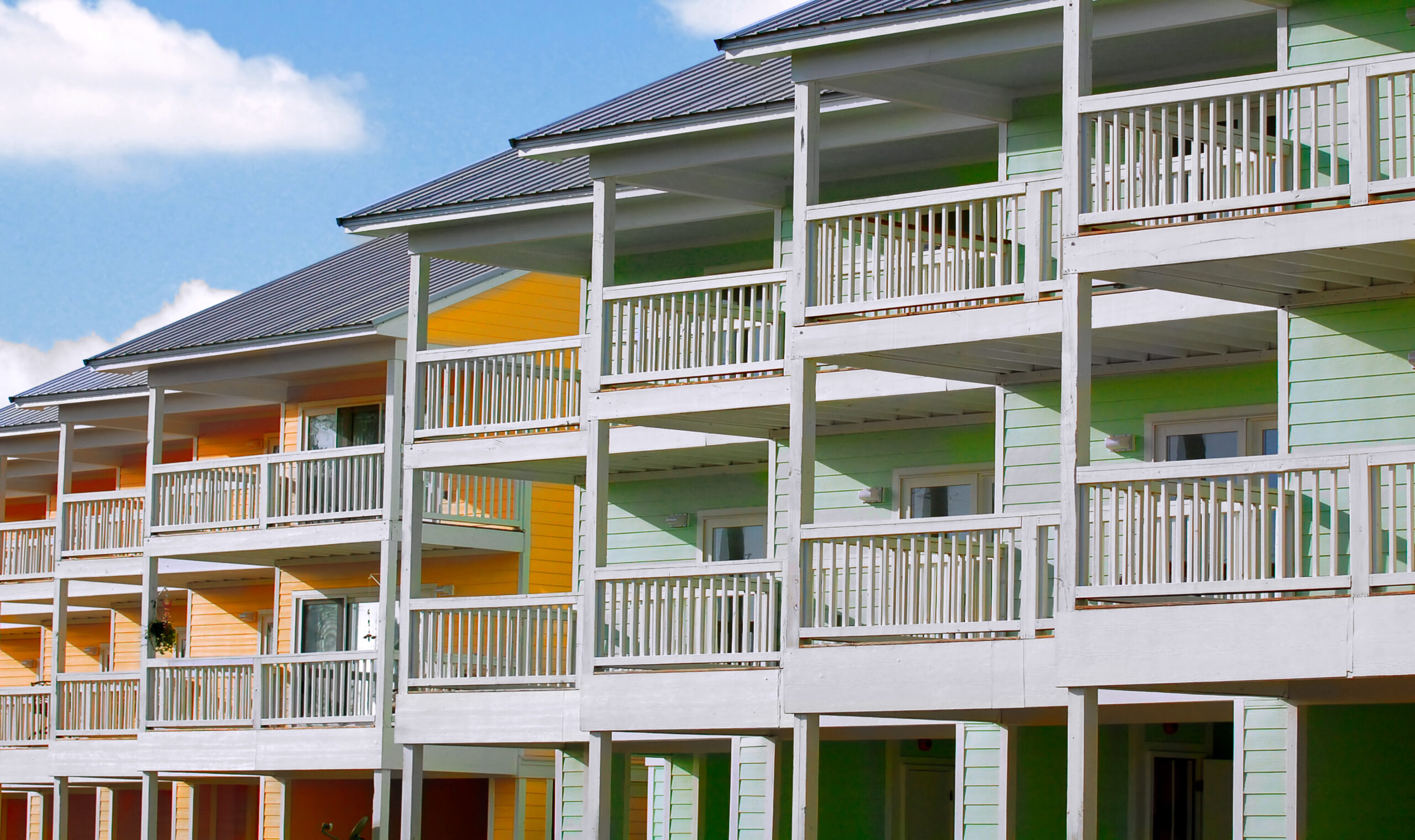
A new third-party certification and rating system launched this month seeking to ensure quality condominium and homeowners associations, providing easy-to-find and accurate information regarding associations’ financial health, structural readiness and governance quality.
The Florida Communities Certification Association (FCCA) provides an independent, standards-based certification and rating framework to support informed decision-making for buyers, insurers who price risk and boards that have been largely operating without clear benchmarks.
It launched as the first independent, third-party certification and rating system for condominium and homeowners associations in Florida. It introduces a standardized framework to more thoroughly evaluate the things that drive risk.
Until its launch, Florida’s condo market has for decades been operating based on fragmented information that lacks reserve studies, has difficult to obtain structural reports and inconsistent, incomplete or outdated risk factors. The result has been inaccurate pricing, failed incentives and higher costs related to compounded risk.
“In Florida today, insurers often know more about a building’s risk than the people living in it. That should concern everyone,” said former Sen. Jeff Brandes, who is part of the FCCA project. “FCCA creates a clear, standardized way to evaluate financial strength, governance, and structural readiness so markets can function the way they are supposed to.”
The need for such a certification and rating system became painfully evident following the Surfside condominium collapse in 2021, which claimed the lives of 98 people. There, the failures were not merely structural, but also a result of lack of information, which ignored warning signs over a number of years.
Describing the service as “the CarFax for condos,” FCCA evaluates condos’ financial stability and reserve adequacy; structural maintenance and long-term readiness; governance practices and operational effectiveness; and insurance posture and overall risk. By doing so, the process not only helps ensure safety, it also protects against sudden and often shocking assessments that have, since the Surfside collapse, plagued condo owners and led some to be unable to afford the often six-figure assessments.
“When data is incomplete, pricing is wrong. When pricing is wrong, incentives fail,” said Amy Maguire, Executive Director of FCCA. “We are turning fragmented documents into standardized, decision ready data that the entire market can use.”
Use of FCCA is voluntary. Associations can choose to pursue certification as a way to demonstrate transparency, discipline and long-term stability to residents, buyers, insurers and lenders. The goal is not to regulate the market, but to protect it.
While the service is in its infancy, some pilot programs are already underway. That includes in the Tampa Bay region, where FCCA is working to refine scoring methodologies, standardize inputs and build a framework that can be applied across the state.

Demotech and Lozano Insurance Adjusters are among the first to utilize the service, and others are likely to follow. A recent analysis published in Florida Trend showed a growing need for standardized evaluation and more accountability in the state’s condo sector.
“You can’t manage what you can’t see,” Brandes said. “FCCA makes the invisible visible. That is how you build stability, trust, and safer communities across Florida.”
___
The Florida Policy Project is a strategic advertising partner of Extensive Enterprises, the holding company that owns Florida Politics.