
Politics
Florida braces for short sale surge as FHA relief ends
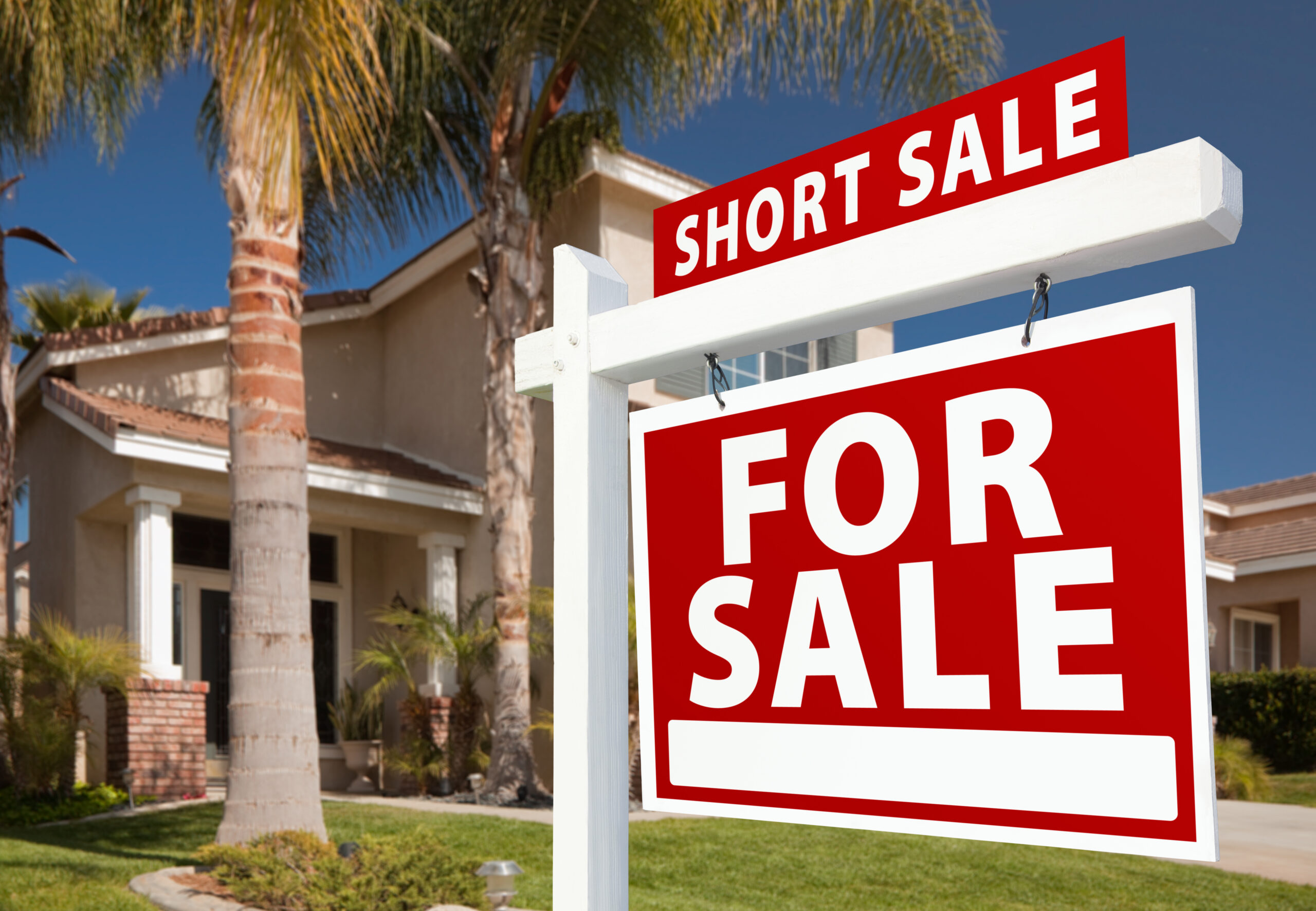
Florida’s housing market, already cooling after the pandemic boom, is confronting a fresh wave of distress.
In 2025, the Sunshine State posted the nation’s highest foreclosure rate: one filing for every 230 housing units, according to ATTOM data, topping even Texas and California, which had more than 34,000 starts. Metro hotspots like Lakeland (one in 145 units) and Punta Gorda led the surge.
Lis pendens (“suit pending”) filings — the first legal step in Florida’s judicial foreclosure process — have climbed steadily as servicers move against delinquent borrowers. While activity remains far below the crash levels of 2008–2012, the pipeline is widening quickly.
There are also more than 23,000 FHA loans that are 60-90 days late in Florida, along with another 45,000-plus non-FHA loans in the same situation.
This does not include borrowers who are 120 days or more in default and already in foreclosure.

At the center of the trouble is the now-expired FHA COVID-19 Loss Mitigation Options Program — the federal lifeline that kept hundreds of thousands of Florida homeowners in their houses longer than expected.
The program began in July 2020 with HUD Mortgagee Letter 2020-22, building on CARES Act forbearance provisions. Borrowers affected by the pandemic who were current or less than 30 days past due as of March 1, 2020, could request up to 12 months of payment suspension.
At the end of forbearance, servicers evaluated homeowners for “home-retention” tools.

The flagship was the COVID-19 Standalone Partial Claim, in which HUD advanced missed principal, interest, taxes and insurance as a zero-interest, no-fee second lien due only upon sale, refinance or payoff.
These options were repeatedly extended. For five years, FHA borrowers cycled through forbearance, partial claims and modifications with minimal documentation of long-term repayment ability.

That era ended on September 30, 2025.
Mortgagee Letter 2025-12, issued under the Trump administration, sunset the COVID-era framework and implemented tighter rules effective October 1, 2025. Borrowers are now limited to one permanent home-retention option every 24 months.
The stated reason: prolonged relief increased risk to the Mutual Mortgage Insurance Fund, produced re-default rates near 60%, leaving many borrowers set up for failure.
The fallout is hitting Florida hard. FHA data show roughly 70% of borrowers received at least one workout in the past five years; nearly 40% had two or more.
When relief ended, many homeowners found themselves overleveraged, with high-five to low-six-figure amounts. Partial claims turned missed payments into junior liens, which, combined with years of skipped principal reductions and rising insurance and tax costs, erased equity.
In markets where median prices are projected to dip 1.9% in 2026, many cannot sell without taking a loss.
Enter the short sale. Unlike during the 2008–2012 crisis, today’s lenders and the FHA Pre-Foreclosure Sale program often provide relocation assistance, typically $3,000 – $5,000, to help homeowners transition.
Short sales still impact credit and may carry deficiency risks in some states, but they can prevent foreclosure and add controlled inventory to a market that Florida Realtors say is showing early signs of stabilization.
Casandra Vann with Keller Williams of Lakeland said, “In Florida, many homeowners are competing with new construction homes offering incentives and lower rates. That forces resale prices down. For homeowners facing hardship or relocation, a short sale is often their best or only option.”
Randy Clunn with Keller Williams Realty of New Tampa added: “Buyers from 2022-2024 who put 5% or less down may face negative equity if they need to sell quickly. If they cannot bring cash to closing, a short sale may be necessary.”
Chris McLaughlin, a Lakeland real estate attorney and Keller Williams office owner, warned that the issue is larger than many realize. He said many agents lack experience in managing short sales, where closing rates range from 25% to 35%. Without proactive action, more homeowners may face foreclosure, damaging their credit and increasing lenders’ losses.
Florida’s real estate story in 2026 is no longer just about prices and inventory. It is about the long tail of pandemic policy catching up — one partial claim, lis pendens and short sale at a time.
___
Nate Jurewicz is a licensed Real Estate Agent with Keller Williams New Tampa and a pre-foreclosure specialist specializing in short sales. He can be reached at [email protected].