
Politics
Florida 2030 at halftime: The momentum is real, but so are the challenges

With five years left on the clock, the Florida Chamber Foundation rolled out a “halftime” report on the Florida 2030 Blueprint, highlighting two goals already met ahead of schedule while acknowledging work remains elsewhere.
Florida Chamber Vice President of Research Keith Richard framed the exercise, unveiled at the Future of Florida Forum, as a quick-turn audit built with input from trustees, agency leaders and community partners. A fuller report is due this Fall.
Bank of America Market Executive Doug Davidson, who chaired the Halftime Task Force, said Florida has already cleared two of its 2030 targets: leading the nation in new business startups and cementing its brand as the best place to “live, work, do business and visit.”
“In 2024 we had more people move here, visit here, relocate a business here, and move income permanently to the state of Florida. … People are choosing Florida,” Davidson said.
On the scoreboard side, Davidson outlined areas “on track,” with more than 60% of residents having a high-value postsecondary education and 95% of each high school class expected to graduate on time.
But he didn’t sugarcoat the gaps: progress on kindergarten readiness, eighth-grade reading and math, and especially housing aren’t chugging along at the same pace.
“We have some work to do,” Davidson said.
Karen Moore, founder of The Moore Agency and the incoming Foundation Chair, made clear the stakes for Florida employers, telling the crowd of business leaders that a dearth of affordable housing and child care access is already causing some families not to plant roots in the Sunshine State.
Affordable and attainable housing has been a nagging issue throughout the state, especially in major metros, that policymakers have worked to address.
Florida’s twice-updated Live Local Act, a cornerstone of Kathleen Passidomo’s Senate presidency, is delivering affordable units and faster approvals. But analyses show it’s falling short for the “missing middle,” defined as households that earn too much to qualify for affordable housing subsidies, but not enough to comfortably pay market rents in their area.

Lawmakers will undoubtedly address the issue again in the 2026 Legislative Session. Already, Sens. Don Gaetz and Rosalind Osgood have filed legislation to, among other things, facilitate homeowners building accessory dwellings. The assumption is that a resultant burst in housing supply would lead to lower rents.
Both panelists stressed that facts on the ground have shifted faster than expected since the Blueprint was first unveiled in the late 2010s. Some of the changes wrought by the global pandemic are clear: remote work, telehealth, automation and more have moved forward at breakneck speed.
But while the pandemic accelerated innovation in some areas, it also stalled progress in others, particularly in education where achievement gaps are neither unique to Florida, nor fully understood, yet altogether undeniable.
Moore said that it will take “tens of thousands” of people, including business leaders, working in concert to fulfill the goals outlined in the 2030 Blueprint. But the action plan boils down to two words: “educate and engage.”
The post Florida 2030 at halftime: The momentum is real, but so are the challenges appeared first on Florida Politics – Campaigns & Elections. Lobbying & Government..
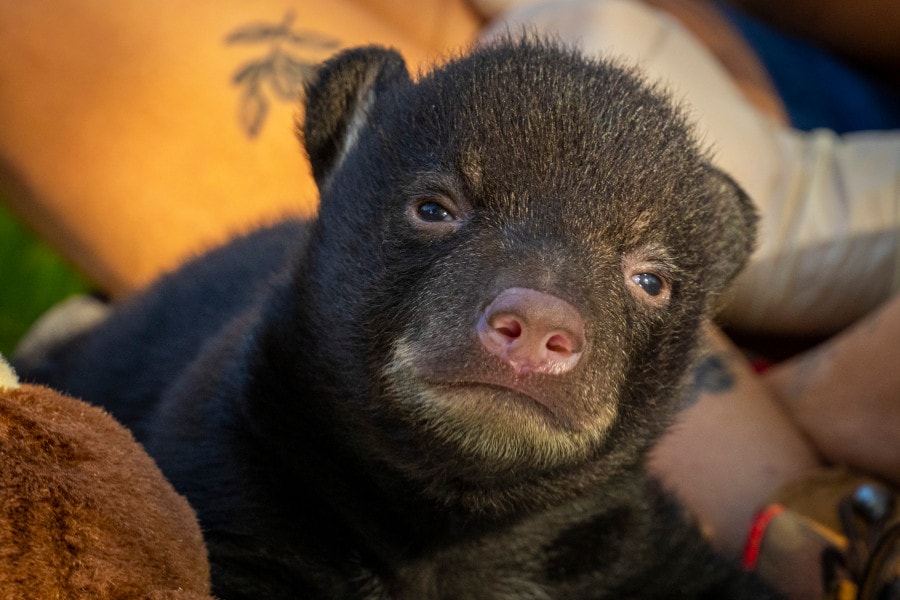
For the first time in a decade, hunters armed with rifles and crossbows are fanning out across Florida’s swamps and flatwoods to legally hunt the Florida black bear, over the vocal opposition of critics.
The state-sanctioned hunt began Saturday, after drawing more than 160,000 applications for a far more limited number of hunting permits, including from opponents who are trying to reduce the number of bears killed in this year’s hunt, the state’s first since 2015.
The Florida Fish and Wildlife Conservation Commission awarded 172 bear hunt permits by random lottery for this year’s season, allowing hunters to kill one bear each in areas where the population is deemed large enough. At least 43 of the permits went to opponents of the hunt who never intend to use them, according to the Florida chapter of the Sierra Club, which encouraged critics to apply in the hopes of saving bears.
The Florida black bear population is considered one of the state’s conservation success stories, having grown from just several hundred bears in the 1970s to an estimated more than 4,000 today.
The 172 people who were awarded a permit through a random lottery will be able to kill one bear each during the 2025 season, which runs from Dec. 6 to Dec. 28. The permits are specific to one of the state’s four designated bear hunting zones, each of which have a hunting quota set by state officials based on the bear population in each region.
In order to participate, hunters must hold a valid hunting license and a bear harvest permit, which costs $100 for residents and $300 for nonresidents, plus fees. Applications for the permits cost $5 each.
The regulated hunt will help incentivize maintaining healthy bear populations, and help fund the work that is needed, according to Mark Barton of the Florida chapter of Backcountry Hunters and Anglers, an advocacy group that supported the hunt.
Having an annual hunt will help guarantee funding to “keep moving conservation for bears forward,” Barton said.
According to state wildlife officials, the bear population has grown enough to support a regulated hunt and warrant population management. The state agency sees hunting as an effective tool that is used to manage wildlife populations around the world, and allows the state to monetize conservation efforts through permit and application fees.
“While we have enough suitable bear habitat to support our current bear population levels, if the four largest subpopulations continue to grow at current rates, we will not have enough habitat at some point in the future,” reads a bear hunting guide published by the state wildlife commission.

___
Republished with permission of the Associated Press.


National Park Service drops free admission on MLK Day and Juneteenth while adding Trump’s birthday

Guess Who This Franchise-Favorite Star Is!

Wait Until Next Year For Bears’ Ownership Stadium Plan
-

 Politics8 years ago
Congress rolls out ‘Better Deal,’ new economic agenda
-
Entertainment8 years ago
New Season 8 Walking Dead trailer flashes forward in time
-
Politics8 years ago
Poll: Virginia governor’s race in dead heat
-
Entertainment8 years ago
The final 6 ‘Game of Thrones’ episodes might feel like a full season
-
Entertainment8 years ago
Meet Superman’s grandfather in new trailer for Krypton
-
Politics8 years ago
Illinois’ financial crisis could bring the state to a halt
-
Business8 years ago
6 Stunning new co-working spaces around the globe
-
Tech8 years ago
Hulu hires Google marketing veteran Kelly Campbell as CMO