
Politics
FIRE warns HB 1119 will increase Florida school book banning
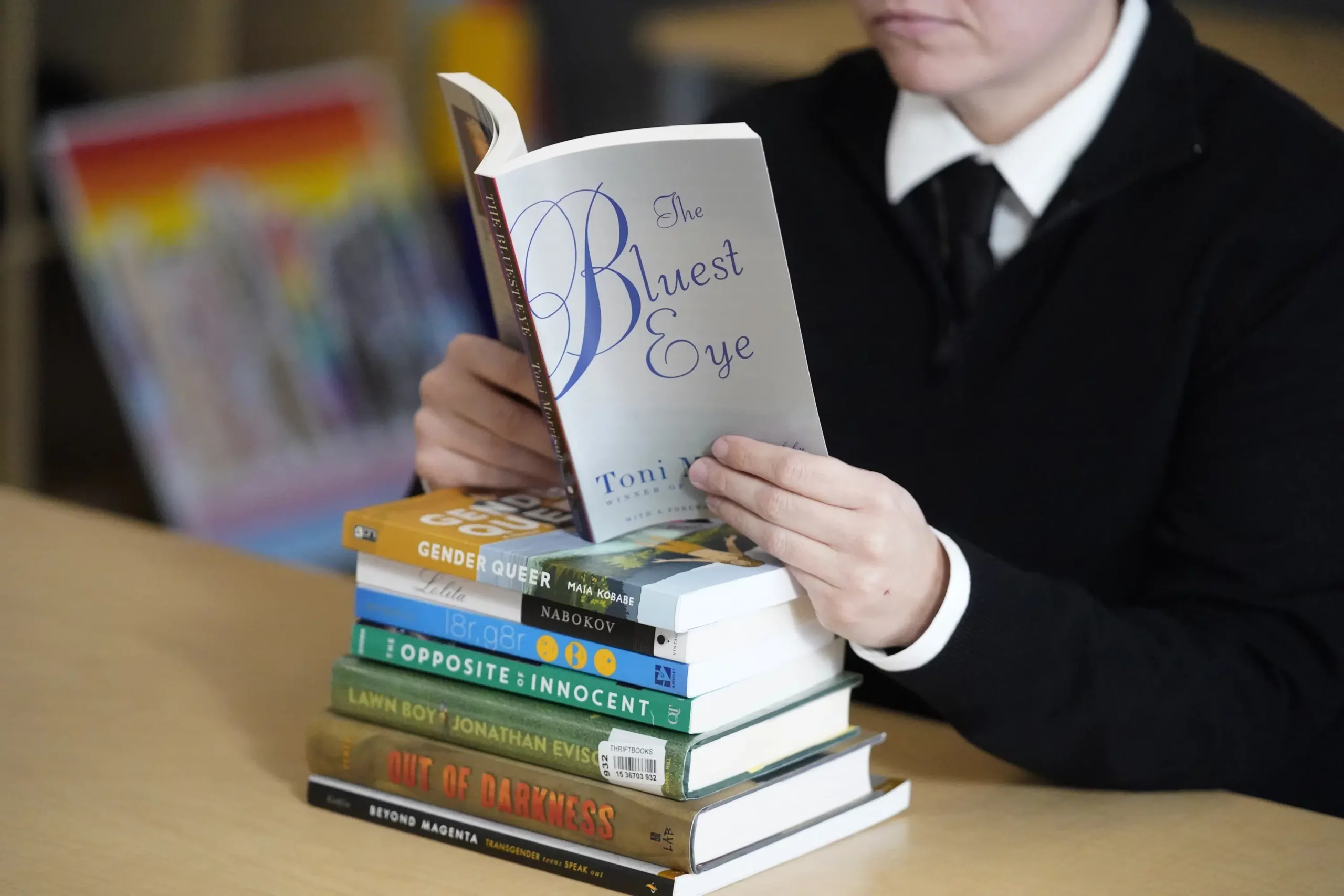
The Foundation for Individual Rights and Expression (FIRE) is urging the Senate to kill a bill passed by the House that First Amendment advocates fear will increase book banning in Florida schools.
“Library book removals can raise serious First Amendment issues,” FIRE’s Public Advocacy Director Aaron Terr wrote in a letter last week to Senate President Ben Albritton. “The bill creates a powerful incentive for individuals to object to any book they dislike or consider inappropriate, knowing it will be immediately pulled from circulation for all readers.”
The House passed HB 1119 via a 84-28 vote following a partisan debate. An identical Senate bill (SB 1692) has not moved in the upper chamber since it was filed last month.
HB 1119 would block schools from considering the literary, artistic, political or scientific value of books if the material is deemed otherwise harmful for minors.
On the full House floor, sponsor Rep. Doug Bankson called HB 1119 a “commonsense policy that answers a simple question: Should pornography be available to minors in our schools?”
“The answer is an emphatic no,” he told lawmakers.
Bankson and other Republicans argued some inappropriate books still exist on the shelves because of a loophole from the application of the Miller Test, which is a Supreme Court decision dealing with adult material.
The Apopka Republican filed similar legislation last year that advanced in the House but died in the Senate.
FIRE argues that HB 1119 goes too far.
“To be clear, not every book is appropriate for every student,” the Philadelphia-based First Amendment advocacy nonprofit wrote in the letter.

“Again, FIRE recognizes that school districts have a responsibility to assess whether library materials are appropriate for students of different ages. But any such assessment must be carefully crafted to ensure that students are not broadly denied the opportunity to read age-appropriate works that speak to their particular interests.”
The bill wouldn’t allow school officials to take into account the full content of the book or if the work has serious literary, artistic, political, or scientific value for minors of any age since it doesn’t consider grade levels, FIRE said.
“These elements of the Miller test are critical to preventing censorship of literature, art, medical textbooks, history texts, and other speech that depicts or alludes to sex simply because someone finds them offensive,” FIRE said.
“In other words, older students’ access cannot be restricted based on what may be unsuitable for younger children. But HB 1119 disregards this commonsense principle. It requires districts to ‘discontinue use of the material’ if they determine it is ‘harmful to minors,’ without regard to age or grade level.”
Florida passed a 2023 law that allows people to challenge book titles they find offensive for young people in schools.
“Under the current statute, Florida school districts have removed hundreds of books from libraries, including titles that are by no stretch of the imagination ‘pornography’ and come nowhere close to the legal definition of obscenity,” FIRE said in the letter.
“The Florida Department of Education’s own report shows that during the last school year, literary classics and widely acclaimed modern works — including ‘One Hundred Years of Solitude,’ ‘A Clockwork Orange,’ ‘The Human Stain,’ ‘The Kite Runner,’ and ‘Life of Pi’ — were removed even from libraries serving students in grades 9-12. If enacted, HB 1119 will only accelerate this trend and further narrow the range of ideas on school library shelves.”
When asked by Florida Politics whether FIRE would sue if the Legislature passes the bill, the organization did not answer.
“Our focus right now is on making legislators aware of the bill’s constitutional problems,” FIRE spokesman Jack Whitten said. “That’s a decision that would require internal discussion and depend on various factors.”