European markets slide as Iran ‘war trade’ joins the global AI ‘scare trade’
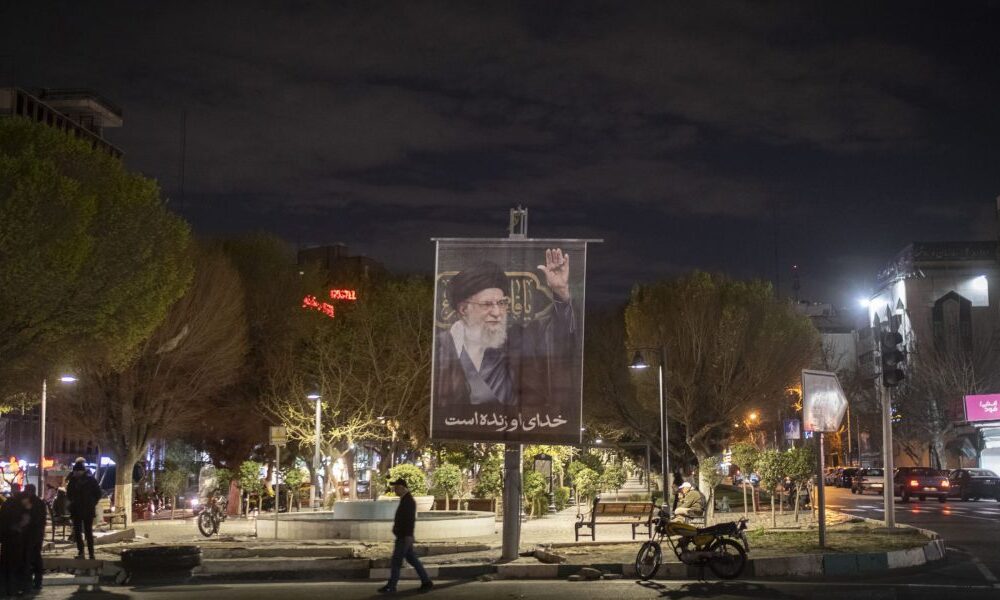
“Events,” the former U.K. Prime Minister, Harold Macmillan, opined when asked what most troubled him about the future. “My dear boy, events.” America and Israel’s attack on Iran and the killing of the Supreme Leader, Ayatollah Ali Khamenei, has once again created an event in the Gulf, with associated global market and economic ramifications.
Opening this morning for the first working day since the military attacks at the weekend, European stock markets slumped, and the price of oil and gas surged. Gold is up and the dollar—still a safe bet even amid Donald Trump-induced volatility—is following. The AI ‘scare trade’ has now been joined by the ‘war trade’ as investors watch the missiles rain down on TV news channels and indices turn red on their trading screens. Geopolitics is informing the risk premia du jour.
Airlines and hotel groups led the fall this morning, reflecting investor concerns that conflict across the Middle East will halt travel plans—both business and pleasure—and lead to extended closures of airspace across one of the world’s most important travel hubs. Dubai International Airport is the largest in the world, handling 95.2 million passengers in 2025, a vital trading post between America, Europe, India, and Asia-Pacific.
The sell-off has been sharp. This morning the European benchmark index, the Stoxx 600, fell 1.6%, the London FTSE 100 fell 0.75% and the German Dax was down 1.6%. Banking share prices weakened (Barclays was down 5%) and IAG, the owner of Iberia and British Airways, was down more than 6%. The United Arab Emirates has halted financial market operations for two days as a precaution.
Pressure is not all in one direction. Defense stocks, such as Thales and BAE Systems, rose, as did energy producers such as Shell. War brings winners as well.
How long will the war trade affect the markets? The President has suggested that the military action against Iran may last for as long as four weeks, increasing pressure on the Strait of Hormuz through which 20% of global oil is transported. The other major route out of the Gulf, the Red Sea via Bab el-Mandeb, is already at risk from attacks by Houthi rebels at war in Yemen. Insurers are jumpy about any shipping trying to negotiate the Gulf.
If the oil price hits $100, expect an inflation spike in the summer of this year and a slowing of global growth. The pricing of European gas futures is already up 25%. A Ukraine-style energy price leap is not out of the question.
“The main transmission channel of the Iran crisis to the global economy and macro markets is its impact on energy markets, with the combination of severity and expected longevity key,” Goldman Sachs said in a note to investors at the weekend.
“Increased risk premia are the likely initial response for markets. While recent moves can extend, markets went into the weekend with some amount of growth downside and inflation upside priced.”
Investors are already nervous and the continuing conflict will only increase ‘risk-off’ behaviors. With significant question marks over the delivery of hundreds of billions of dollars of investment to support the development of agentic AI infrastructure, confidence will only become more fragile.
There is no panic yet. As Goldman says, it would need an extended oil price rise to weigh down the global economy, and it is likely that initial effects will be localized around energy, defense, travel, and transport sectors. As share prices fall on the initial news-flow, ‘buying the dip’ will come into play.
At the World Economic Forum in Davos in January, I spoke to the chief executive of one of Europe’s largest technology firms. “Geopolitical volatility is here to stay, you have to be ready for it at all times, anything could happen.” Pricing in that risk is the new normal.