Politics
Diagnosis for 7.13.26: Checking the pulse of Florida healthcare news and policy
Welcome back to Diagnosis, a vertical focused on the intersection of healthcare policy and politics.
___
— Budget Rx —
A wide-ranging budget-conforming bill that took effect at the start of the month makes a series of healthcare and human services policy changes designed to align Florida law with the state’s new spending plan.
HB 5301-E updates multiple statutes to implement provisions of the 2026-27 budget, making technical and substantive changes across several state programs administered by the Florida Department of Health and other agencies.

Among the most significant healthcare provisions, the measure revises the Department of Health’s revolving loan program, authorizes new newborn screening testing and updates policies related to infant nutritional needs and the state’s trauma system. Those changes are intended to ensure state law reflects funding and operational decisions included in this year’s budget.
The legislation also establishes a statutory formula for distributing funding through the Slots for Doctors Program, which supports physician residency training to strengthen Florida’s healthcare workforce.
The bill makes several previously funded initiatives permanent. That includes the Step into Success Workforce Education and Internship Program, which helps former foster youth aged 16-26 build job skills, and the new Foster and Family Support Grant Program, designed to provide additional assistance to foster families and caregivers.
Budget-conforming bills receive less attention than many policy measures, but they play a critical role in implementing the annual appropriations. In many cases, they also serve as the vehicle for creating or permanently authorizing programs that receive funding through the state budget.
HB 5301-E was among the measures that became law when Florida’s 2026-27 fiscal year began on July 1.


— Also kicking in —
Florida’s new fiscal year also ushered in a slate of other healthcare laws, ranging from technical fixes to broader changes affecting hospitals, pharmacies, medical research and patient care statewide.
Among the most significant is HB 355 by Rep. Vanessa Oliver, which requires every Florida hospital with an emergency department to establish evidence-based pediatric care policies covering areas such as triage, medication dosing, vital signs, weight measurements in kilograms and the use of pediatric-specific equipment.
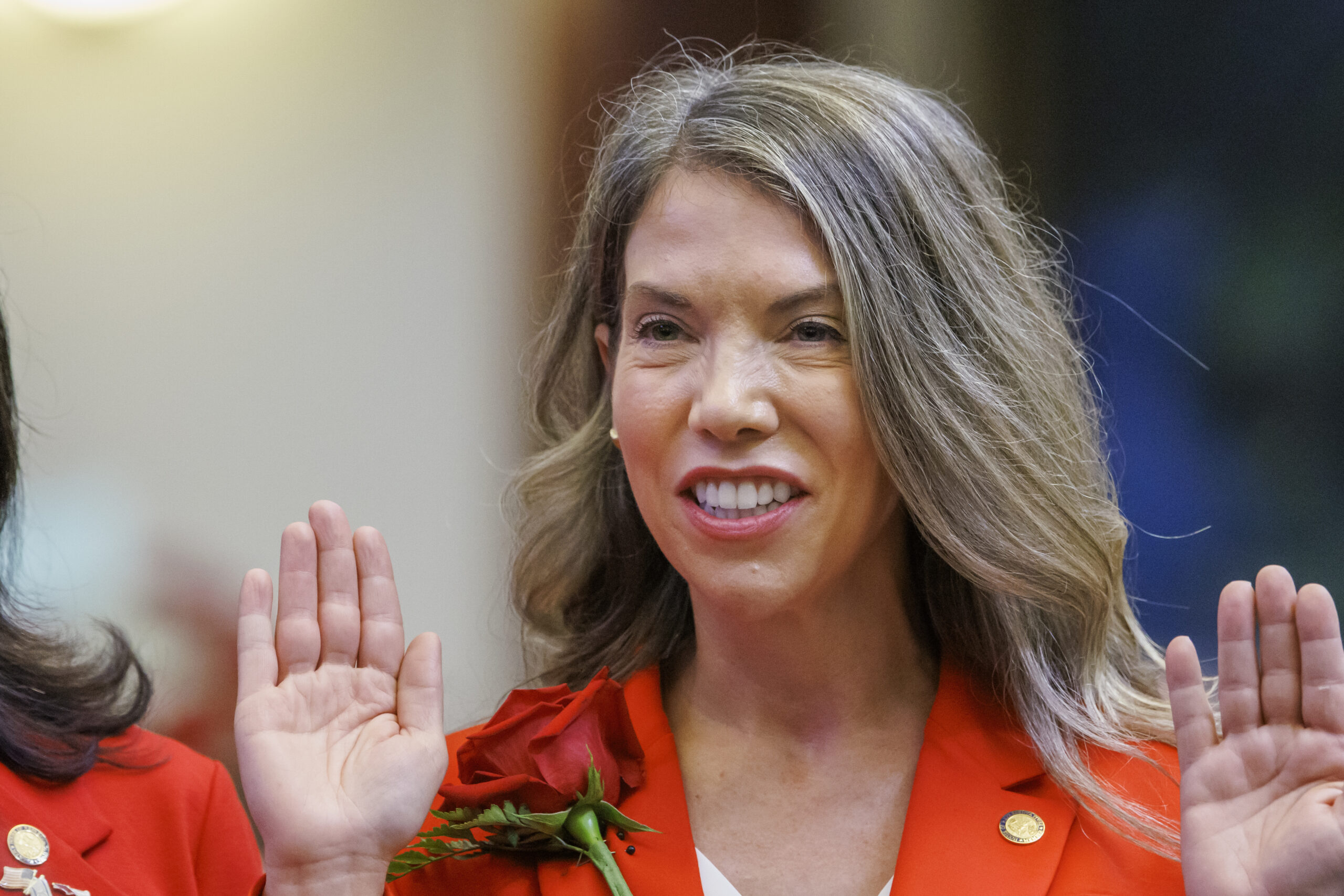
Hospitals also must designate a pediatric emergency care coordinator, conduct annual training and emergency drills, participate in the National Pediatric Readiness Assessment, and publicly report their readiness scores through the Agency for Health Care Administration, which is tasked with establishing statewide minimum standards for pediatric emergency care.
Another notable change comes through HB 697 by Rep. Jennifer Kincart Jonsson, which expands state oversight of pharmacy benefit managers.
The law prohibits PBMs from requiring pharmacies to dispense medications at a financial loss and bars them from reimbursing independent pharmacies at rates lower than those paid to affiliated pharmacies. It also streamlines the appeals process by allowing pharmacies to file consolidated reimbursement challenges involving identical claims.
Other health-related laws that took effect this month:
Other health-related laws taking effect this month establish the University of Florida Diabetes Institute as a statewide resource for diabetes research, education and treatment (SB 816); expand the Linking Industry to Nursing Education Fund (SB 1246); require schools, including charter schools, to adopt updated seizure response protocols for students with epilepsy (HB 1201); and create a statewide Parkinson’s disease registry at the University of South Florida (HB 1443).
— Slight dip —
Florida’s Medicaid and Children’s Health Insurance Program enrollment continued to decline over the past year, tracking a nationwide pullback as states move further beyond the pandemic-era continuous coverage policy.
According to the latest KFF enrollment tracker update, Florida’s Medicaid and CHIP rolls fell from 3.74 million beneficiaries in March 2025 to 3.57 million in March 2026, a decrease of roughly 166,000 people, or 4%. While enrollment has fallen nationwide, Florida’s decline was smaller than the national average of 6% and well below states such as Indiana, which posted the nation’s steepest one-year decline at 20%.

The report shows that Florida’s Medicaid and CHIP enrollment is now slightly below its level before the COVID-19 pandemic. Nationally, enrollment surged during the public health emergency because states were required to keep beneficiaries continuously enrolled in exchange for enhanced federal funding. Since that policy ended in 2023, states have resumed eligibility reviews, driving enrollment lower across the country.
Despite the overall decline, Florida was among 19 states where CHIP enrollment increased over the past year, even as Medicaid enrollment continued to shrink. KFF notes that Medicaid enrollment decreased in every state between March 2025 and March 2026, reflecting the continued unwinding of pandemic-era coverage policies.
Looking ahead, KFF projects additional enrollment declines as provisions of the 2025 federal reconciliation law take effect. Those changes include new Medicaid work and reporting requirements for expansion populations beginning in 2027, as well as restrictions affecting some immigrant populations starting in October 2026.


— Sunshine Genetics —
Florida families can now enroll their newborns in the Sunshine Genetics pilot program. This first-of-its-kind initiative aims to identify hundreds of rare genetic diseases before symptoms appear through voluntary genomic screening.
The program, which launched this Summer, is being led by the Florida Institute for Pediatric Rare Diseases at Florida State University under a 2025 bill (HB 907) championed by Rep. Adam Anderson, whose son, Andrew, died from Tay-Sachs disease.
The initiative uses the same blood spot collected through Florida’s existing newborn screening program to test for disease-causing variants in roughly 900 genes associated with treatable childhood disorders. If a condition is identified, participating families receive follow-up testing, genetic counseling and referrals for specialized care.

“My hope is that families will get the answers that they need and that babies born today won’t have to live that same nightmare of that diagnostic odyssey that I did and that so many families around the country do every day,” said Anderson, a second-term Republican representing Pinellas County.
Florida’s traditional newborn screening program currently tests for 63 conditions. Sunshine Genetics expands the list to nearly 900 conditions.
“There is nowhere else in the country that has something this robust that’s backed by a state. So wildly different. This truly is becoming the model for the nation,” Anderson said.
The pilot is expected to enroll approximately 100,000 newborns and is designed to generate the clinical data needed to determine whether universal genomic screening can improve long-term health outcomes for children with rare diseases.
— Next stop: Sunrise —
Broward Health has opened its second freestanding emergency department in less than a month.
Health system leaders, physicians and local officials recently celebrated the opening of the Broward Health Sunrise Emergency Room, a 16,000-square-foot facility at 9001 W. Oakland Park Blvd. The location is the first freestanding emergency room in Sunrise and is expected to treat nearly 15,000 patients annually. The facility follows the June opening of a freestanding emergency department in Lighthouse Point as part of the public health system’s broader expansion strategy.

Open around the clock, the Sunrise emergency department includes 15 private exam rooms, dedicated resuscitation rooms and on-site CT and X-ray imaging for both adult and pediatric patients. Patients requiring hospitalization or specialty care will be transferred through Broward Health’s hospital network.
“Broward Health continues to make significant investments in the health and well-being of our community,” President and CEO Shane Strum said, describing Sunrise as an area that has historically lacked sufficient medical services. Sunrise Mayor Mike Ryan said the facility will provide residents and neighboring communities with more convenient access to emergency care as the city continues to grow.
The project is expected to generate more than $10.8 million in economic activity and create dozens of full-time jobs, according to Broward Health. The system is continuing its expansion with several additional projects, including a freestanding emergency department under construction at Holiday Park in Fort Lauderdale in partnership with the city, which is scheduled to open in 2027.


— Major upgrade —
AdventHealth DeLand has completed a series of upgrades designed to expand access to advanced cardiac care and diagnostic imaging for patients in Volusia County.
The project includes enhancements to the hospital’s cardiac catheterization laboratory, giving physicians additional capabilities to diagnose and treat heart and vascular conditions, including new procedures for patients with high blood pressure that proved difficult to control with medication. The expansion also adds a six-bay pre- and post-operative recovery area to accommodate more patients undergoing catheterization procedures.

“When someone needs answers about their heart or another serious health concern, they shouldn’t have to leave their community to get them,” said Khelsea Bauer, President and CEO of AdventHealth DeLand. “These upgrades help more people receive advanced care here in West Volusia, where their families and support systems already are.”
The hospital also installed a Siemens MAGNETOM Sola MRI system featuring a wider opening, higher weight capacity and artificial intelligence designed to compensate for breathing and heart movement during scans. AdventHealth said the technology will help produce higher-quality images in less time while reducing the need for repeat exams and improving patient comfort.
“Most people never expect they’ll need a heart procedure or an MRI,” Bauer said. “But when that day comes, having these services available here in West Volusia can make a difficult experience a little easier.”
— Behavioral health funding preserved —
The Florida Behavioral Health Association applauded Gov. Ron DeSantis for preserving funding for mental health and substance use disorder services in the fiscal year 2026-27 budget signed late last month.
FBHA President and CEO Melanie Brown Woofter said the budget demonstrates the state’s commitment to maintaining access to treatment despite a year marked by tighter spending decisions.
“Behavioral health touches every community in Florida, and this budget reflects the importance of ensuring individuals and families have access to quality mental health and substance use disorder services,” Woofter said.

“In a year of fiscal discipline, the state’s investment in mental health and substance use disorder services demonstrates a clear recognition of the critical role these services play in improving the health, safety, and well-being of individuals and families in every community. … On behalf of FBHA’s community mental health and substance use disorder providers, we are grateful to Gov. DeSantis, First Lady Casey DeSantis, and the members of the Florida Legislature for their dedication and work to improve and innovate behavioral health services for all Floridians.”
FBHA represents more than 70 community mental health and substance use treatment providers statewide. Collectively, its members serve more than 500,000 Floridians each year and provide services in every county, with a focus on uninsured, underinsured and Medicaid populations.

— Celebrating the Silvers —
Florida added 15 nursing centers to the nation’s roster of Silver Achievement in Quality Award recipients this year, helping the state maintain one of the strongest records in the country for quality recognition in long-term care.
The awards, presented through the American Health Care Association and National Center for Assisted Living’s National Quality Award Program, recognize skilled nursing and assisted living providers that demonstrate measurable progress in quality improvement using the Baldrige Performance Excellence Framework.

Florida’s newest recipients bring the state’s total to 62 Silver Award-winning centers, placing it among the top five states nationally. Florida providers have also earned 153 Bronze and 3 Gold quality awards through the program.
“This recognition reflects their dedication and the talented teams who are raising the bar of quality care each day,” Florida Health Care Association CEO Emmett Reed said. “I couldn’t be prouder to see our state standing among the very best in the nation.”
The 15 newly recognized Florida facilities are located throughout the state, from Jacksonville and Macclenny to Sarasota, Orlando, Lakeland, Boca Raton and Orange Park. Nationally, 255 organizations in 43 states received Silver awards this year as the program marks its 30th anniversary.
Florida’s recipients will be recognized during the Florida Health Care Association’s Annual Conference later this month in Orlando, while all 2026 National Quality Award winners will be honored at AHCA/NCAL’s annual convention in Boston this October.
— LOBBYISTS —
Nelson Diaz, James McFaddin III, The Southern Group: Pedikidz of Florida
Jason Winn, Panza Maurer & Maynard: Florida Society of Hearing Healthcare Professionals
Nicholas Hessing, LaToya Sheals, Becker & Poliakoff: Survivors’ Pathway Corporation

— ICYMI —
“Nursing home group asks for exemptions for Haitians working in Florida facilities” via Christine Sexton of the Florida Phoenix — FHCA has asked the Department of Homeland Security to consider allowing Haitians with Temporary Protected Status (TPS) to continue working in long-term care and to pursue “available lawful immigration pathways.” Approximately 350,000 Haitian nationals nationwide hold TPS, with an estimated half living in Florida. Approximately 350,000 Haitian nationals nationwide hold TPS, with an estimated half living in Florida. “If roughly one in five Haitian TPS holders works in healthcare occupations, as national workforce analyses indicate, as many as 35,000 healthcare workers in Florida could be affected by recent policy changes,” FHCA CEO Reed wrote in a July 7 letter to DHS Secretary Markwayne Mullin.

“Taylor Hatch resigns effective immediately. Does that signal trouble in DCF?” via Gabrielle Russon of Florida Politics — Department of Children and Families (DCF) Secretary Hatch submitted her resignation effective immediately Friday, right before the July 4 holiday weekend. Hatch’s departure comes after a report alleging that Florida mismanaged its food assistance program, which could lead to a hefty fine. The Senate failed to confirm Hatch in 2025 after she had been tied to the Hope Florida scandal. That controversy began when DeSantis’ administration steered $10 million from a Medicaid settlement into the Hope Florida Foundation, with money then funneled into a political committee run by the Governor’s Chief of Staff, now-Attorney General James Uthmeier, to fight the marijuana legalization ballot initiative. “Serving in your administration has been one of the great honors of my professional life,” Hatch wrote.
“Florida said it couldn’t fix confusing Medicaid notices. Under court order, it only took months” via Sharmila Venkatasubban of The Florida Trib — For years, Florida’s lawyers told a federal judge that fixing its Medicaid termination notices — letters the court found so confusing they violated the Constitution — would be difficult and costly. But within months of a court order requiring the fix, the state sent out nearly 1 million corrected notices by Spring. “If they could generate the corrective notices with relative speed,” said Lynn Hearn, legal director of the Florida Health Justice Project, “why couldn’t that coding or technology also be used to fix the notices on a more permanent basis?” Florida continues to challenge the ruling in court, with oral arguments set for August.
“Tampa General Hospital sues major pharmaceutical company over drug pricing” via Lauren Peace of the Tampa Bay Times — Tampa General Hospital filed a lawsuit last week against one of the world’s largest pharmaceutical companies. The suit comes shortly after the drug manufacturer, Eli Lilly and Co., stopped supplying discounted medications to Tampa General, which it had long done in compliance with a federal initiative to support safety-net hospitals — or those serving low-income and uninsured patients. In late June, Lilly made good on its promise and cut Tampa General off from reduced pricing, resulting in an uptick in spending by the hospital on Lilly products by an average of 25%-50% and far more for outliers. “With its broad declaration of fraud and abuse systemwide, Lilly is tarnishing all of its primary customers with a systemwide accusation regardless of whether it has any evidence or reasoning,” said Jayashree Mitra.
“Big Kratom wants Trump to ban 7-OH. Here’s the truth he needs to hear” via Bill Collier of the Washington Examiner — The Drug Enforcement Administration’s move to ban 7-hydroxymitragynine (7-OH) temporarily threatens people living with chronic pain while rewarding an industry trying to eliminate competition. “Big Kratom” presents kratom as safe and 7-OH as uniquely dangerous, but both products can be addictive and act on the same receptors in the brain. The difference is not as clear-cut as lobbyists suggest. A nationwide ban would remove an option relied upon by patients who struggle to find effective relief. Trump should resist pressure from industry groups and demand decisions grounded in science, evidence and patient experience. Public policy should protect consumers from harm, not protect businesses from competing products. Chronic pain patients should not become collateral damage in a market fight.
— RULES —
AHCA’s final rule (59G-4.261) regarding Private Duty Nursing and Family Home Health Aide Services went into effect on July 2. More here.
AHCA’s final rule (59C-1.032) regarding Pediatric Cardiac Catheterization and Angioplasty Institutional Health Services went into effect on July 8. More here.
The Agency for Health Care Administration’s Certificate of Need final rule (59C-1.033) regarding Pediatric Open Heart Surgery Program (Repealed) went into effect on July 8. More here.
The Board of Podiatric Medicine’s final rule (64B18-11.001) regarding Application for Licensure by Examination and Endorsement went into effect on July 9. More here.
AHCA’s (59G-4.251) regarding Prescribed Drugs Reimbursement Methodology goes into effect July 15. More here.

— PENCIL IT IN —
July 14
9 a.m. — The Social Services Estimating Conference meets to discuss TANF caseload and expenditures. Room 301 S, the Capitol.
July 15
1:15 p.m. — The Social Services Estimating Conference meets to discuss the KidCare caseload. Room 301 S, the Capitol.
July 16
Happy birthday to Sen. LaVon Bracy Davis!

July 18
Happy birthday to Rep. Allison Tant!
July 20
Happy birthday to Sen. Darryl Rouson!
July 21
Happy birthday to Sen. Gayle Harrell!
July 22
Happy birthday to Rep. Alex Andrade and Rep. Jennifer Canady!
July 23
1:45 p.m. — The Social Services Estimating Conference meets to discuss KidCare expenditures. Room 301 S, the Capitol.
July 25
Happy birthday to Rep. J.J. Grow!
The post Diagnosis for 7.13.26: Checking the pulse of Florida healthcare news and policy appeared first on Florida Politics – Campaigns & Elections. Lobbying & Government..